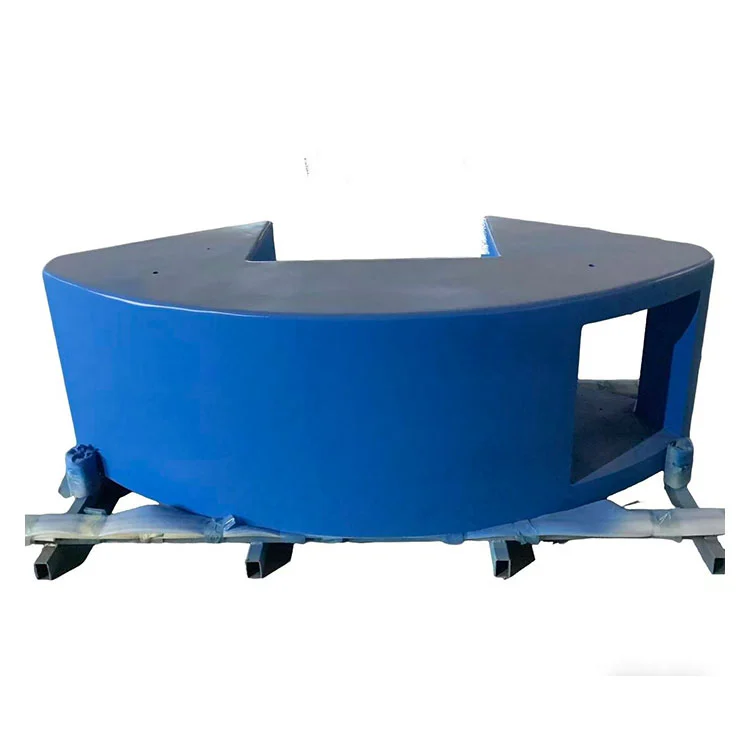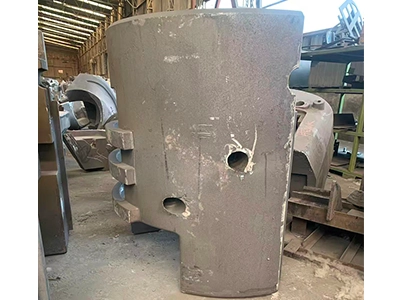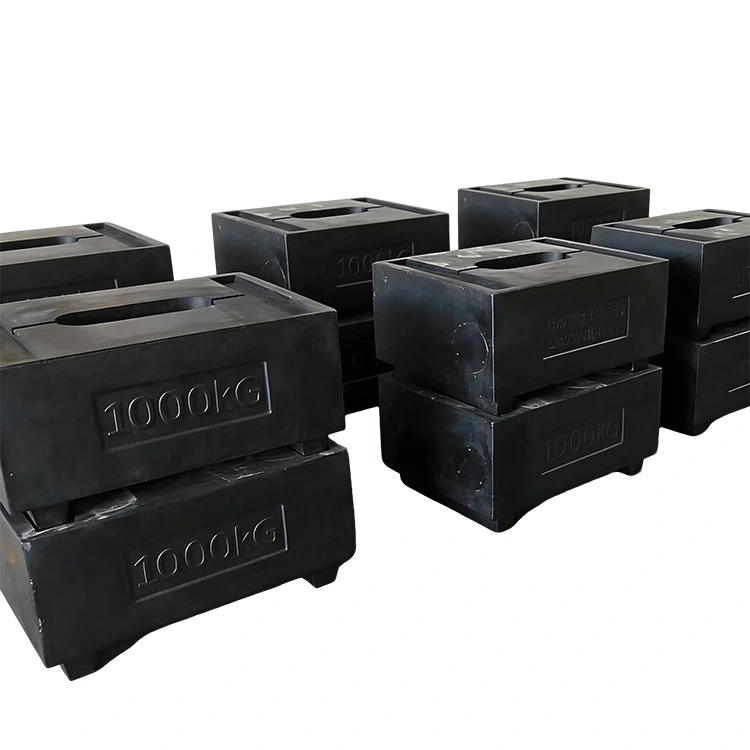

This extensive blog post provides a deep dive into the concept of an Engineering Vessel Counterweight — its purpose, functionality, design considerations, material selection, applications in marine engineering, installation and maintenance best practices, and emerging innovations in the field. It addresses the topic from multiple angles and uses Engineering Vessel Counterweight as the core keyword throughout to ensure clarity, relevance, and SEO alignment. By the end of this article, you will have a complete understanding of why counterweights are critical to vessel stability, how they are engineered, and what future trends are shaping their evolution.
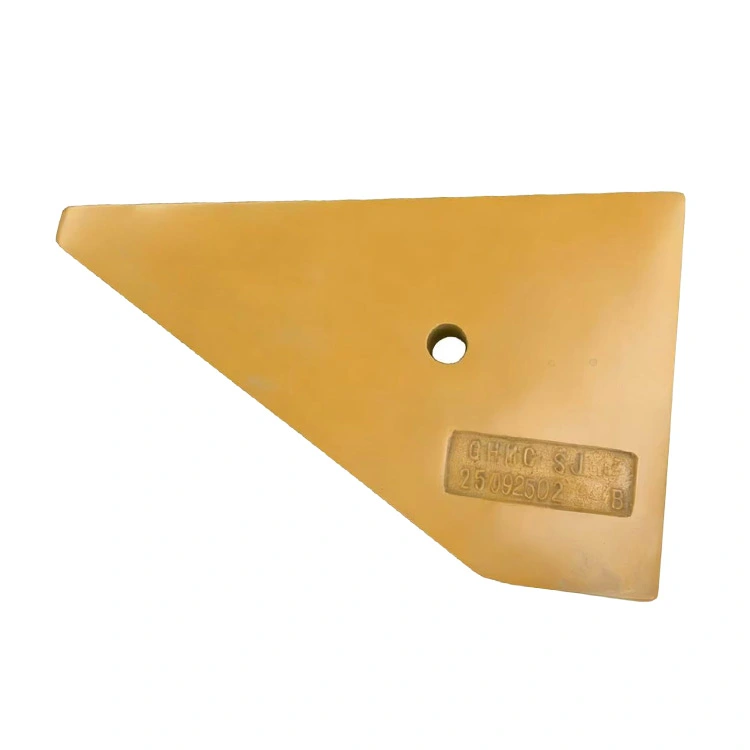
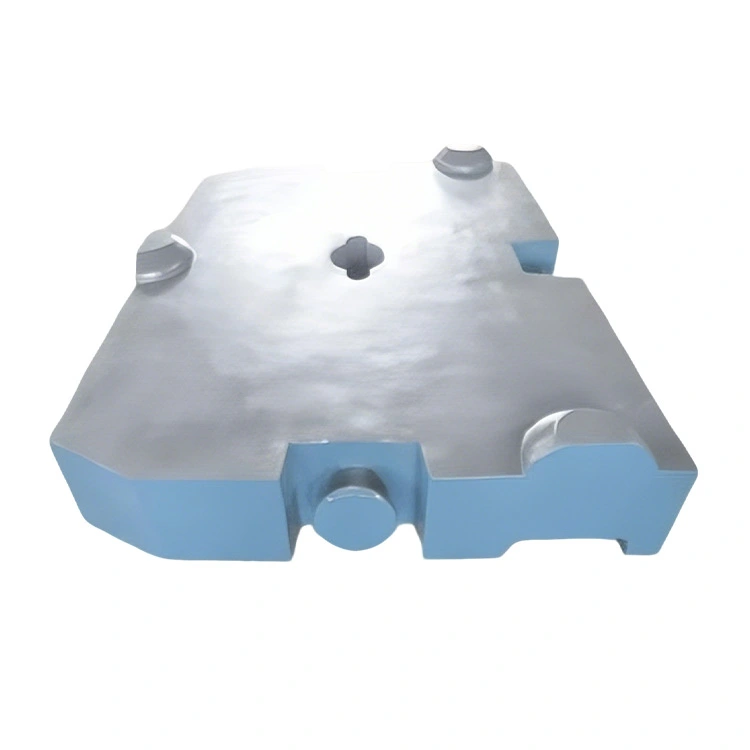
An Engineering Vessel Counterweight refers to a strategically placed mass used to balance forces and moments acting upon a marine vessel. In engineering vessels such as offshore platforms, research ships, dredgers, and heavy-lift vessels, maintaining equilibrium is essential for performance, safety, and operational efficiency. Counterweights serve to counteract imbalances caused by equipment loads, cargo distribution, dynamic sea conditions, and mechanical systems onboard.
Put simply, counterweights help stabilize the vessel by compensating for weight shifts, keeping the center of gravity within desired parameters, and reducing risks of capsizing, excessive roll, pitch, or structural strain.
Engineering vessels often operate in challenging conditions, ranging from harsh waves to heavy machinery movements. The inherent instability caused by uneven loads or external forces can significantly affect the vessel’s center of gravity. Counterweights are critical because they:
Without proper counterweight design, vessels risk operational inefficiencies and safety hazards.
Designing an Engineering Vessel Counterweight involves complex calculations, simulations, and engineering principles. Naval architects and marine engineers consider several factors:
Modern designs use computer-aided tools such as finite element analysis (FEA) and computational fluid dynamics (CFD) to model behavior under dynamic conditions, ensuring the counterweight performs reliably.
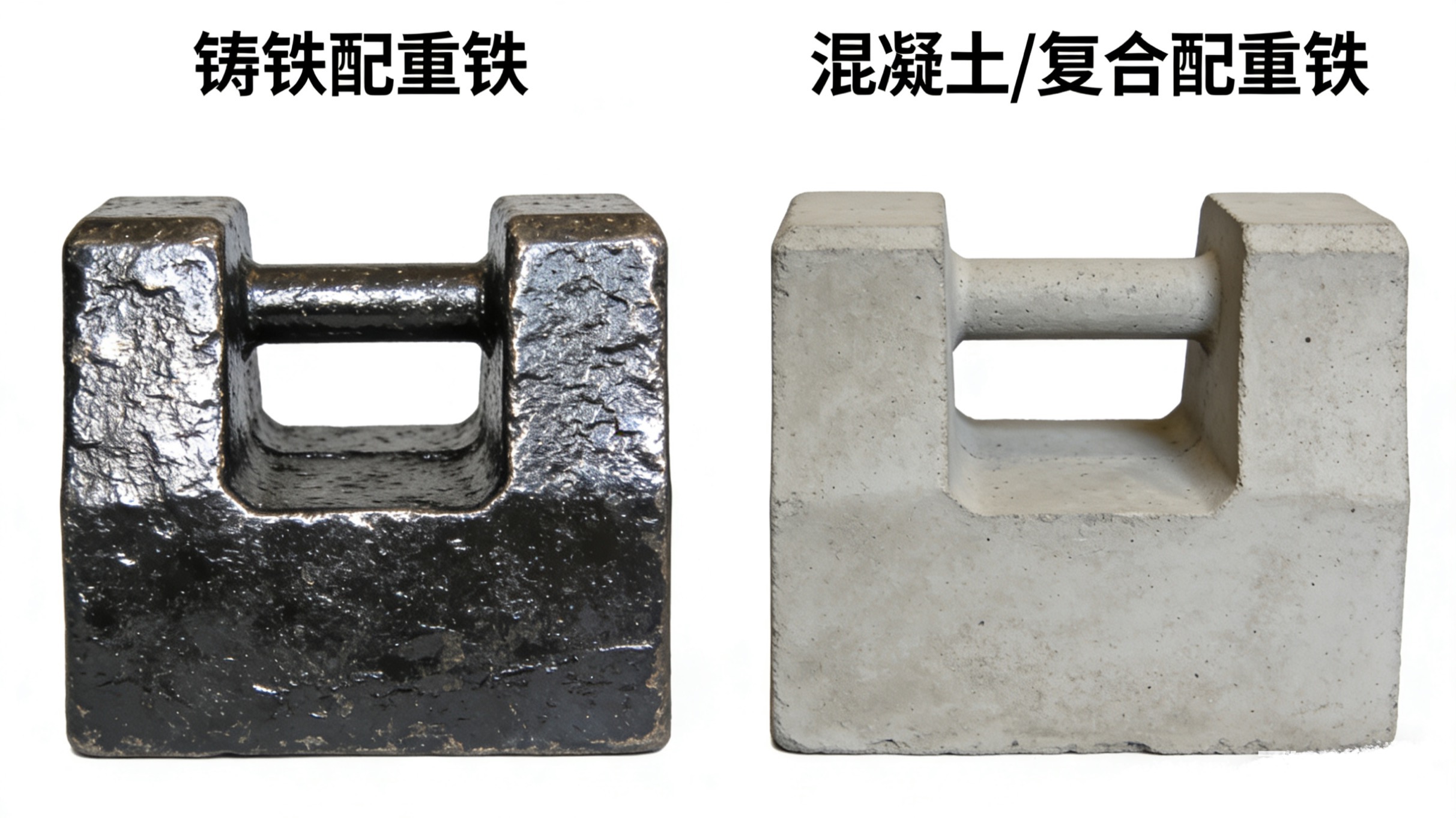
Materials selection impacts the performance, durability, and cost of Engineering Vessel Counterweights. Common materials include:
| Material | Properties | Pros | Cons |
|---|---|---|---|
| Cast Iron | High density, durable | Cost-effective, reliable | Heavy, can corrode |
| Steel | Strong, versatile | High strength-to-weight | Requires anti-corrosion coating |
| Concrete | Low cost, customizable | Good density control | Requires reinforcement |
| Lead | Very high density | Compact size | Toxic, requires handling precautions |
Material choice depends on application, cost constraints, environmental conditions, and weight requirements.
Counterweights for engineering vessels fall into several categories based on usage:
Adjustable systems provide flexibility when cargo or operational conditions change frequently.
Installation requires careful planning and professional execution. Key steps include:
Professional marine engineers and technicians should handle all installation stages to comply with safety standards.
Maintaining counterweights ensures longevity and consistent performance. Maintenance activities include:
Regular maintenance reduces risk of imbalance and improves vessel reliability.
Emerging trends in engineering vessel counterweight technology include:
These innovations aim to enhance safety, reduce operating costs, and increase adaptability in complex marine environments.
What is the primary purpose of an Engineering Vessel Counterweight?
The primary purpose is to maintain stability and balance by counteracting uneven loads, shifting cargo, or external forces, helping to keep the vessel’s center of gravity within safe limits.
How does a counterweight improve a vessel’s performance?
Counterweights improve performance by reducing excessive roll, trim, or list, which enhances operational stability, fuel efficiency, and safety when navigating challenging sea conditions.
Can counterweights be adjusted during operations?
Yes, adjustable counterweights are designed to be repositioned or modified during operations to account for shifting loads or changing mission requirements, enhancing adaptability and control.
What materials are preferred for marine counterweights?
Materials such as steel, cast iron, concrete, and lead are commonly used, with each offering unique benefits in terms of density, cost, and durability based on the vessel’s operational needs.
Are there smart technologies used in counterweight systems?
Yes, smart counterweight systems include sensors and automated controls that help dynamically balance the vessel in real time, improving responsiveness to changing conditions.