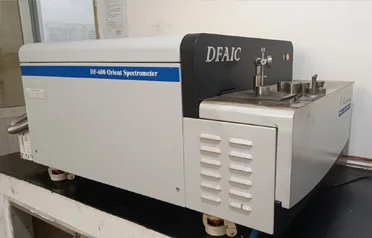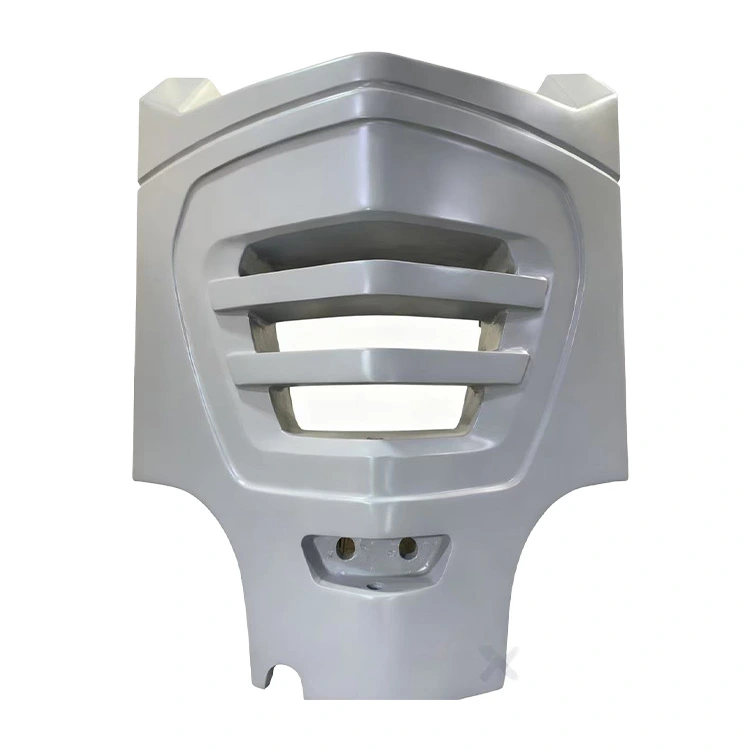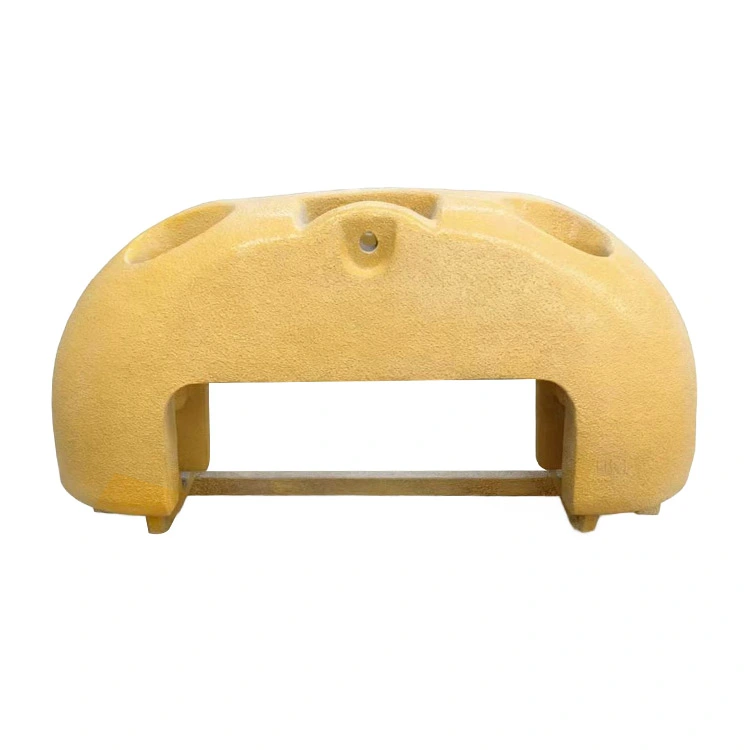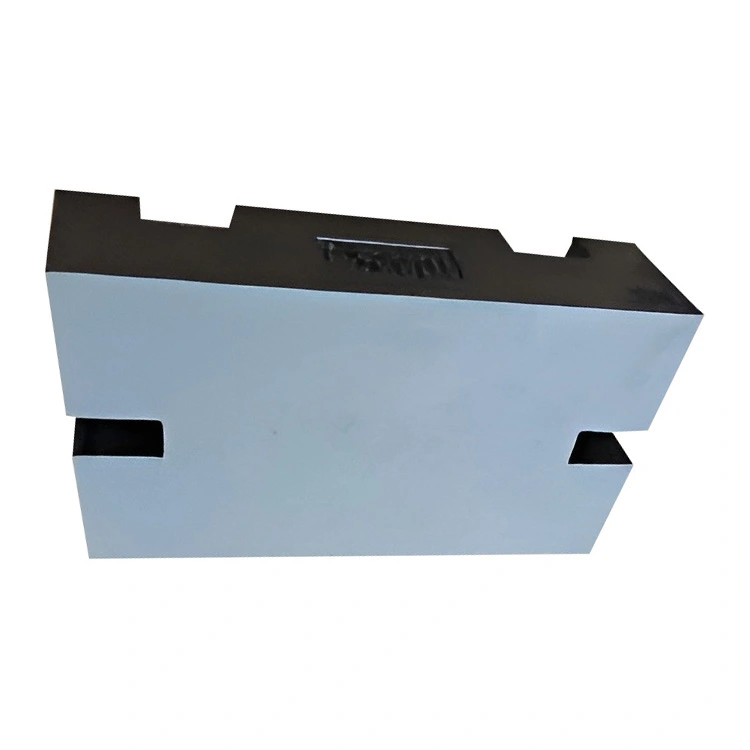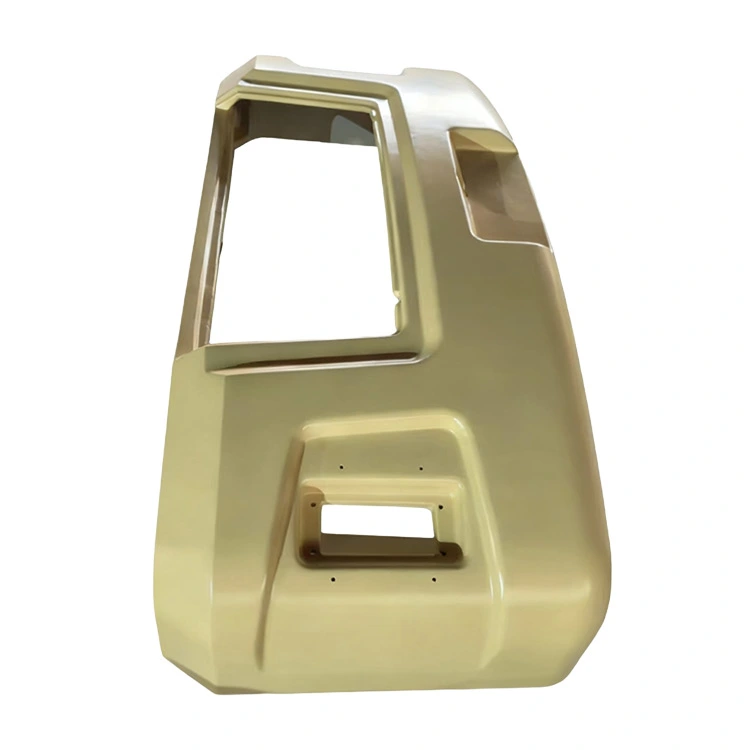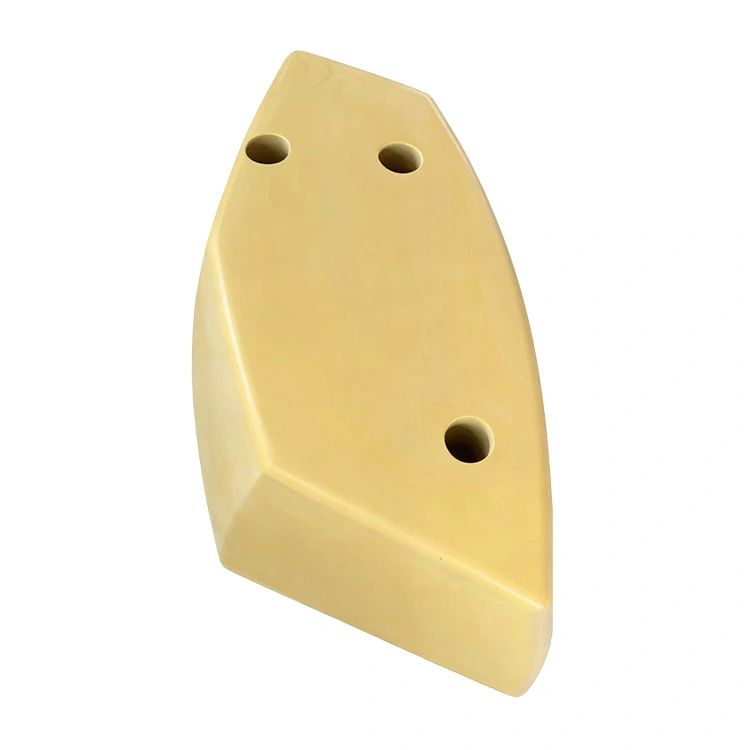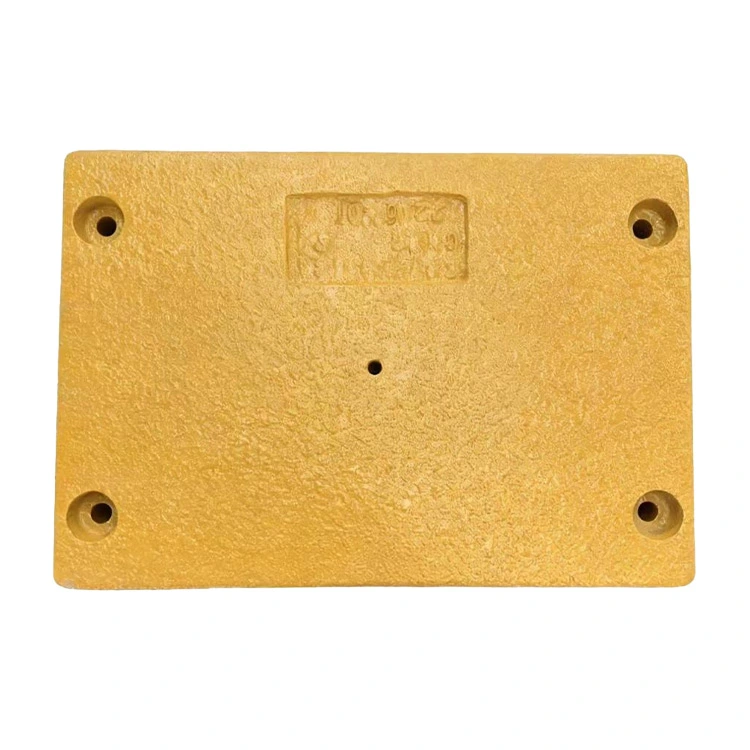

Gray cast iron serves as a core raw material for components such as mechanical counterweights, machine tool bases, and mining equipment housings. Zunhua Shengjian Fanrong Machinery Parts Co., Ltd. specializes in the custom production of HT150, HT200, and HT250 gray iron castings. The company employs a standardized compositional control system, allowing it to tailor production strategies to the specific operating conditions of the equipment involved. This article analyzes the compositional variations across these gray iron grades—focusing on the carbon-to-silicon ratio, manganese content, and control of harmful impurities—and examines how these differences impact the molding quality, mechanical properties, and casting processes of counterweights and heavy machinery castings.
As gray iron grades advance from HT150 to HT200 and HT250, the upper and lower limits for carbon and silicon content decrease in tandem, and the Carbon Equivalent (CE) steadily drops. The carbon-to-silicon ratio serves as a key factor in distinguishing the suitable applications for each grade:
HT150 features relatively high carbon and silicon levels, resulting in excellent molten iron fluidity and strong mold-filling capabilities. It is ideal for the mass production of thin-walled, complex, or small parts and various counterweights, ensuring well-filled castings that are resistant to "short-run" (incomplete fill) defects. However, the material's tensile strength is relatively low, making it suitable only for components that do not require heavy load-bearing capacity.
HT250 has lower carbon and silicon levels, which significantly enhances casting rigidity, tensile strength, and wear resistance; it is commonly used for machine tool beds and heavy-duty mining equipment housings. However, the reduction in carbon and silicon diminishes molten iron fluidity. Consequently, manufacturers must optimize supporting processes—such as pouring temperature and gating system design—to consistently ensure high molding quality.
Manganese neutralizes sulfur in the raw materials and refines the pearlite microstructure; therefore, the amount of manganese added increases progressively as the casting grade rises. High-grade HT250 heavy-duty machinery components demand rigorous structural stability. A higher manganese content reduces internal microstructural defects, refines the metallographic structure uniformly, and consistently enhances tensile strength, ensuring the components resist deformation and cracking even under prolonged heavy loads.
Both phosphorus and sulfur are considered harmful impurities in gray cast iron. Zunhua Shengjian Fanrong Machinery Parts Co., Ltd. implements differentiated control standards for the three grades to prevent defects such as brittleness and internal inclusions:
Phosphorus control: The upper limit for phosphorus in HT150 counterweights is relaxed to 0.15%, whereas for high-strength HT200 and HT250 castings, it is strictly controlled to within 0.12%. Excessive phosphorus increases brittleness; therefore, strict control is essential for components subjected to heavy loads.
Sulfur control: The upper limit for sulfur in high-end HT250 equipment housings and heavy-duty counterweights is set at 0.12%. Sulfur tends to form sulfide inclusions that disrupt the metal matrix, significantly reducing wear resistance and overall mechanical properties; consequently, impurity control standards for high-grade castings are more stringent.
Leveraging mature gray cast iron composition control technology, Zunhua Shengjian Fanrong Machinery Parts Co., Ltd. offers customized production of HT150 counterweights, HT200 general machinery parts, and HT250 heavy-duty machine tool housings. The entire production process strictly adheres to established compositional specifications for each grade and incorporates comprehensive controls covering melting, pouring, and impurity testing. This approach balances molding efficiency for small castings with structural strength for heavy-duty castings, meeting procurement needs across industries such as construction machinery, mining equipment, and machine tool manufacturing.
Different grades of gray cast iron follow distinct patterns regarding carbon-silicon-manganese ratios and impurity limits. When purchasing counterweights or cast iron machinery parts, the appropriate grade can be selected based on the component's load-bearing requirements and wall thickness. Zunhua Shengjian Fanrong Machinery Parts Co., Ltd. can provide chemical composition test reports for specific grades, adjust smelting processes to meet requirements, and ensure a stable supply of various custom gray cast iron parts.