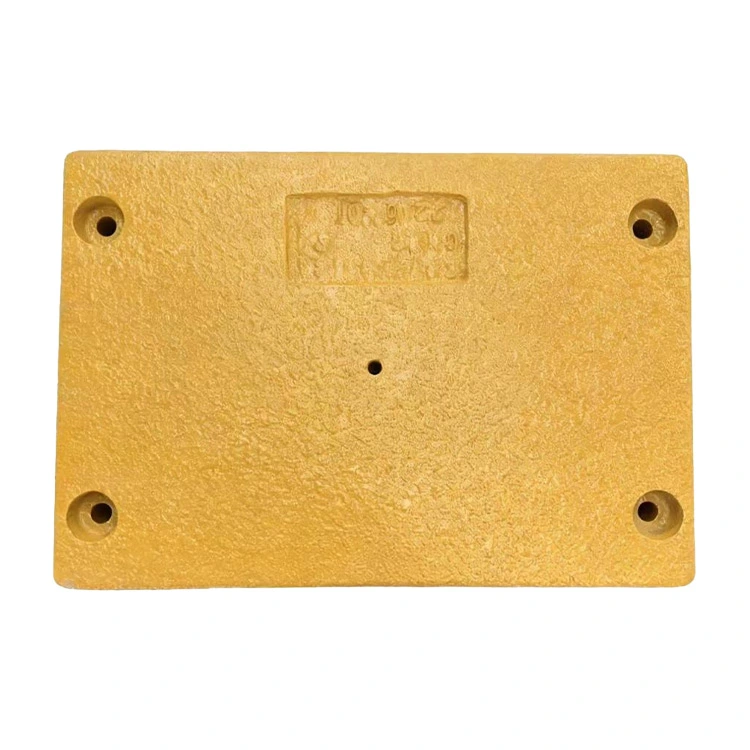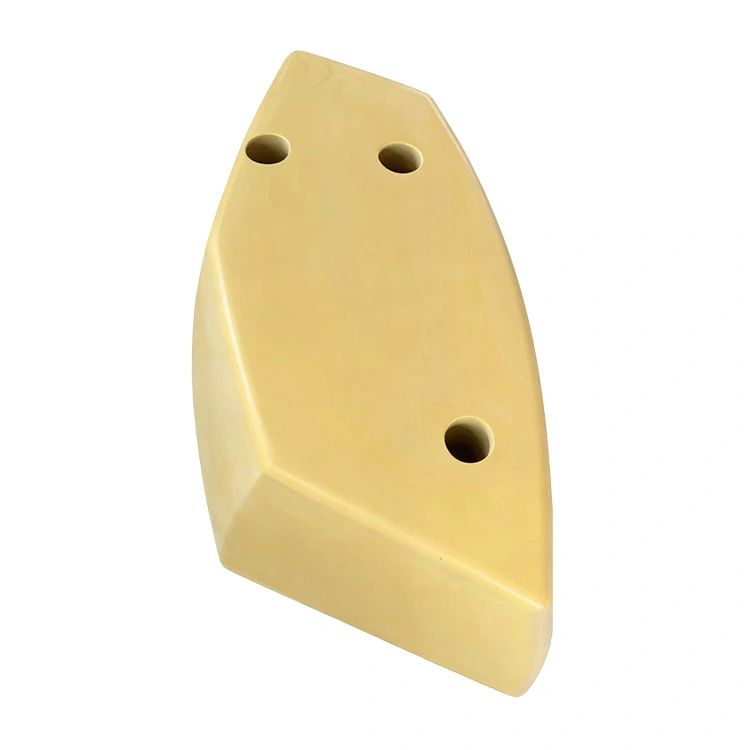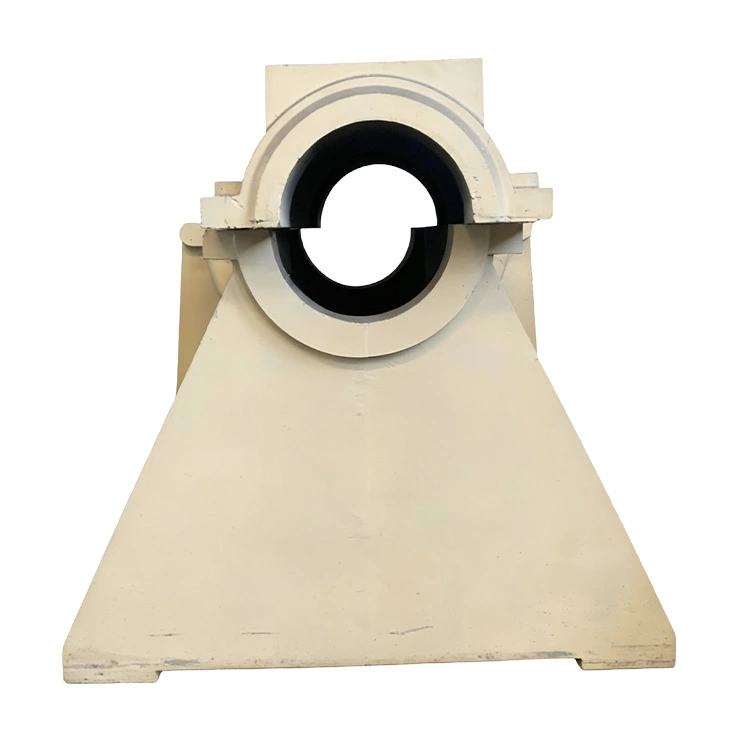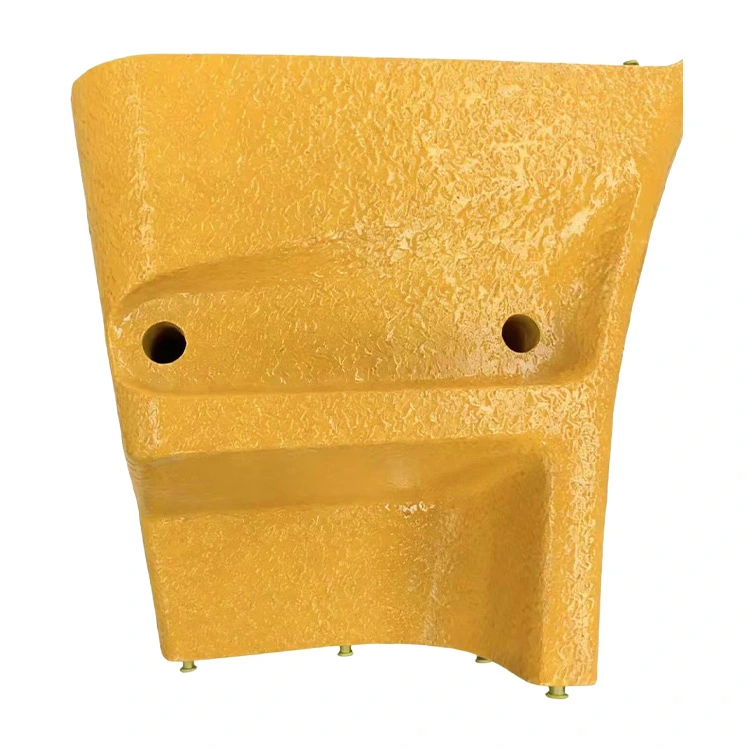

Ship elevators play an essential role in modern maritime logistics. From transporting vehicles on roll-on/roll-off vessels to moving cargo between decks on naval ships and offshore platforms, elevator systems ensure efficient vertical transportation in marine environments. One key component that ensures stability, efficiency, and safety is the Ship Elevator Counterweight.
In this in-depth guide, we explore how ship elevator counterweights work, why they are essential in marine engineering, and how manufacturers such as Shengjian Fanrong design advanced counterweight systems for modern vessels. If you are involved in shipbuilding, offshore engineering, or marine logistics, understanding counterweight technology can help you choose safer and more efficient lifting solutions.

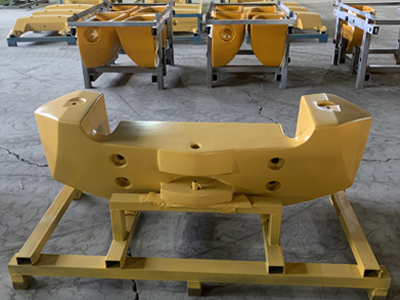
A Ship Elevator Counterweight is a balancing mass used in marine elevator systems to offset the weight of the elevator platform and its load. By counterbalancing the moving platform, the elevator requires less motor power to lift heavy cargo or vehicles between decks.
In maritime environments, elevators are commonly installed on:
The counterweight moves in the opposite direction of the elevator platform, ensuring balanced operation. High-quality counterweights, such as those manufactured by Shengjian Fanrong, are engineered to withstand marine conditions including corrosion, vibration, and dynamic loads.
Learn more about professional counterweight solutions through this detailed product page: Ship Elevator Counterweight technical overview.
The working principle of a counterweight system is based on balancing forces. The counterweight is connected to the elevator platform through a system of cables and pulleys.
This balanced system significantly improves efficiency and safety, especially in marine environments where stability is critical.
| Component | Function |
|---|---|
| Elevator Platform | Supports cargo, vehicles, or equipment |
| Counterweight | Balances elevator load |
| Hoisting Motor | Provides lifting power |
| Guide Rails | Maintain alignment during movement |
| Cable & Pulley System | Transfers motion between platform and counterweight |
A reliable marine elevator system consists of several critical components working together.
Each component must be engineered with marine-grade materials to withstand saltwater corrosion and continuous heavy-duty operation.
Material selection plays a crucial role in determining durability and performance. Counterweights must provide sufficient mass while remaining structurally stable under maritime conditions.
| Material | Advantages | Typical Use |
|---|---|---|
| Cast Iron | High density, cost-effective | Standard elevator counterweights |
| Steel Composite | Strong structural integrity | Heavy-duty marine lifts |
| Concrete with Steel Frame | Economical for large mass requirements | Large cargo elevators |
| Alloy Steel | High strength and corrosion resistance | Advanced marine applications |
Manufacturers such as Shengjian Fanrong carefully select materials based on load capacity, vessel design, and operating conditions.
Counterweight systems bring several important benefits to ship elevator operations.
Because ships experience constant movement due to waves and wind, counterweights help maintain balance and prevent sudden load shifts.
Ship elevator counterweights are used across a wide range of maritime industries.
These systems allow heavy loads to be moved vertically with high reliability and efficiency.
Designing a ship elevator counterweight requires careful engineering calculations. Marine conditions impose additional challenges compared to land-based elevators.
Marine engineering standards require precise balance calculations to ensure smooth operation even under extreme conditions.
Proper installation and regular maintenance are essential to ensure the long-term performance of ship elevator counterweights.
Selecting the right manufacturer ensures product quality, safety, and long-term reliability. A professional supplier should provide engineering expertise, customized solutions, and strict quality control.
Companies such as Shengjian Fanrong specialize in producing high-performance counterweights designed specifically for demanding marine lifting applications.
A counterweight balances the elevator platform and load, reducing the power needed to lift cargo and improving system stability.
Typically, the counterweight equals the weight of the elevator platform plus approximately 40–50% of the maximum load capacity.
Yes. Marine counterweights must withstand corrosion, vibration, and dynamic loads caused by waves and vessel movement.
Regular inspections of cables, guide rails, and structural components are required to maintain safe operation.
Yes. Manufacturers can design custom counterweight systems based on ship layout, lifting capacity, and operational requirements.
Ship elevator counterweights are fundamental components that enable safe and efficient vertical transport on modern vessels. By balancing loads and reducing energy consumption, they enhance the performance and reliability of marine elevator systems.
With growing demand for larger vessels and heavier cargo handling capabilities, high-quality counterweight solutions are becoming increasingly important in shipbuilding and offshore engineering.
If you are looking for reliable, durable, and precision-engineered marine counterweight systems, Shengjian Fanrong provides advanced solutions tailored to demanding maritime environments. For more technical details or customized designs, contact us today to discuss your project and discover how our ship elevator counterweight systems can improve your marine lifting efficiency.