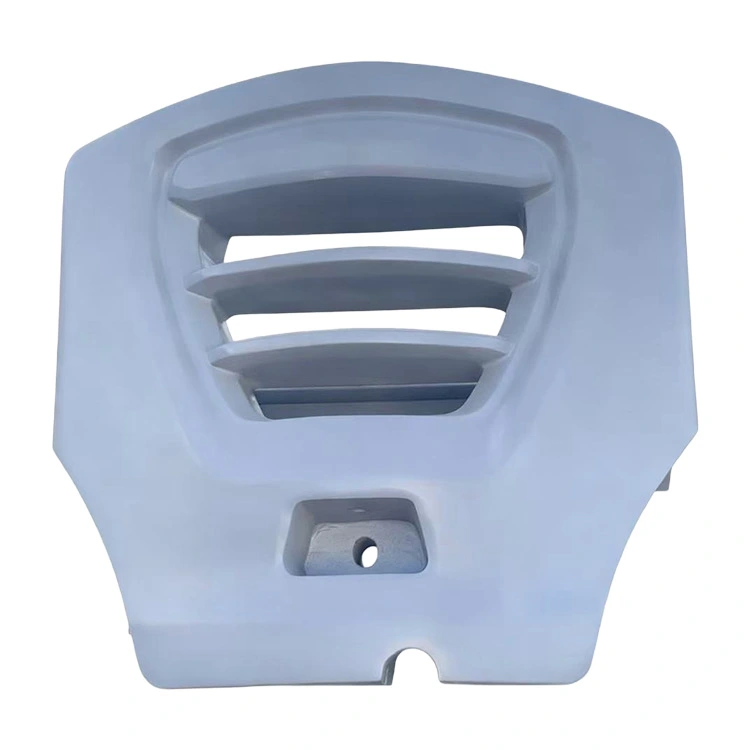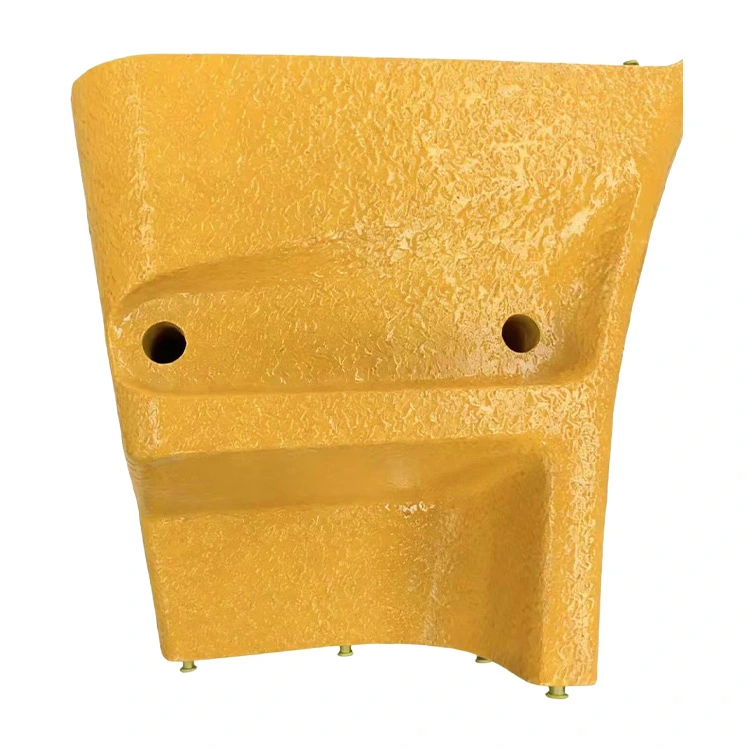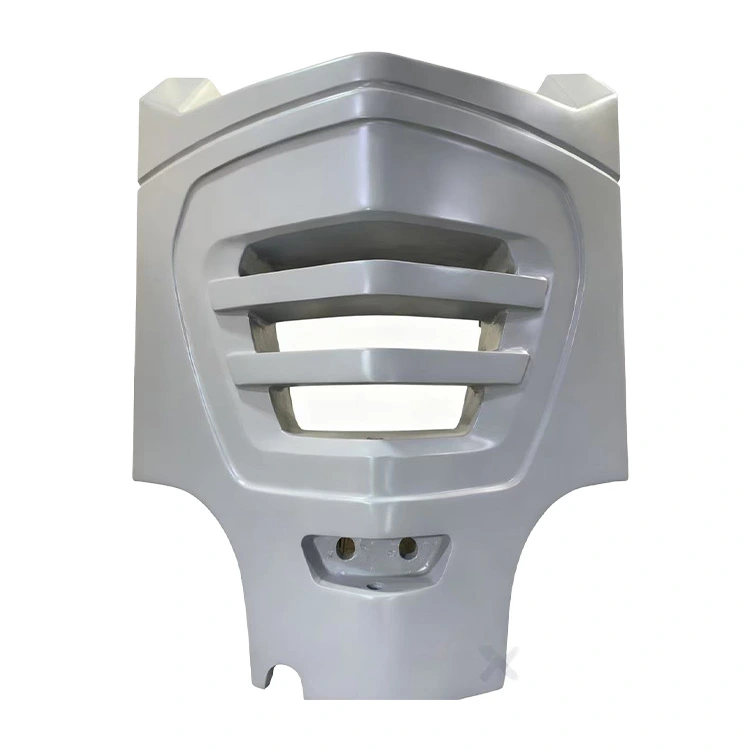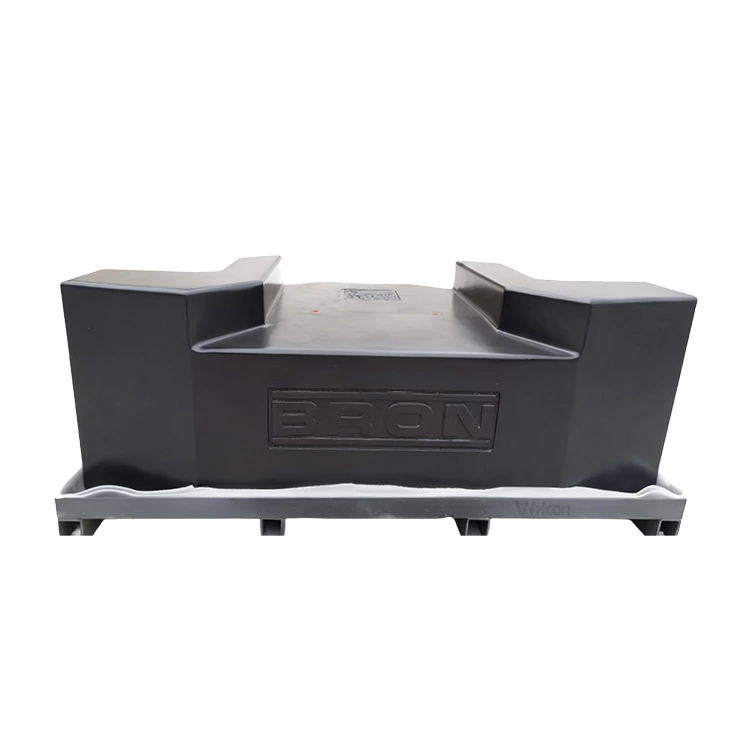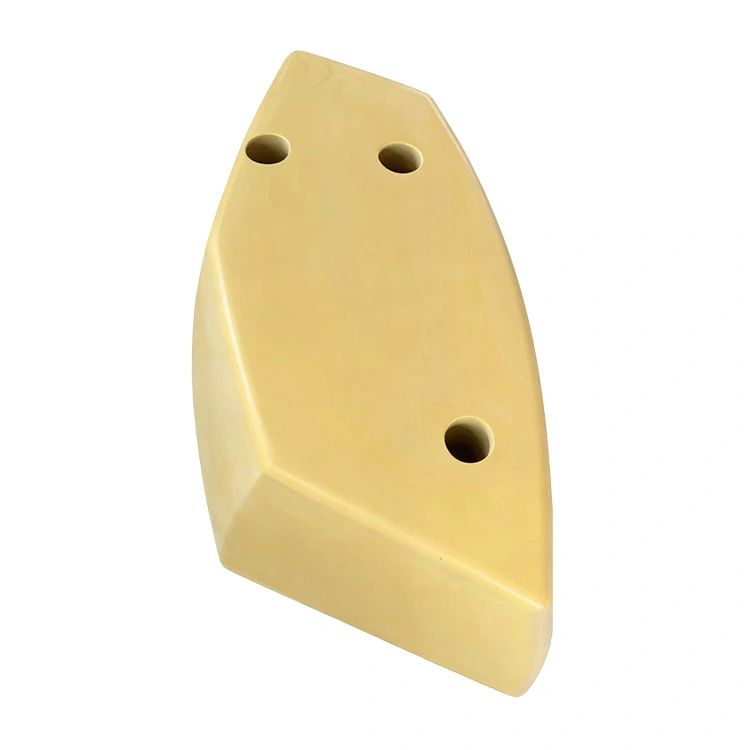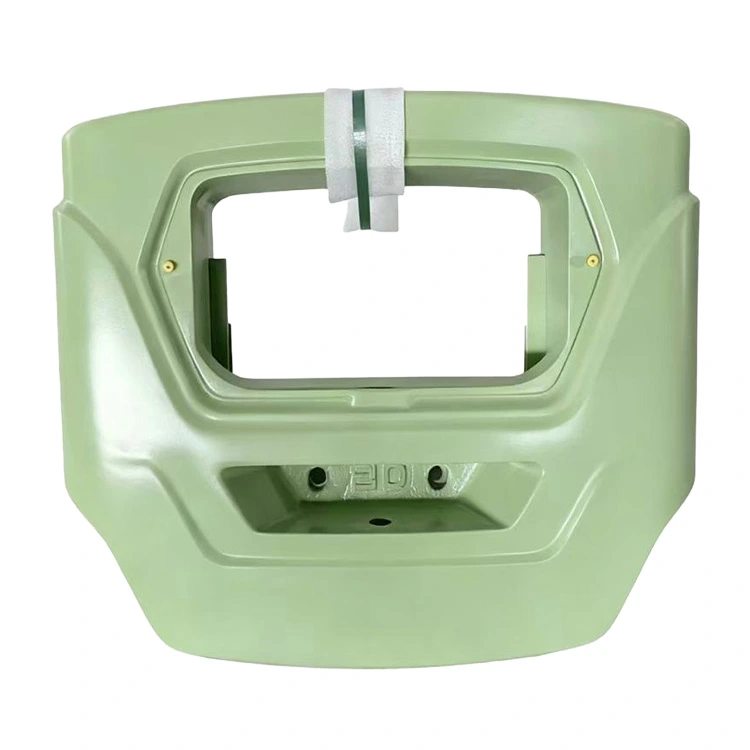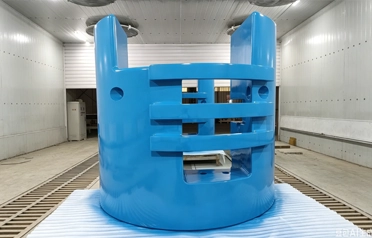
In construction and industrial material handling, the mortar pump casing plays a crucial role in ensuring durability, efficiency, and consistent pumping performance. A well-designed casing protects internal components, withstands abrasive mortar materials, and ensures stable pressure during operation.
This comprehensive guide explores everything you need to know about mortar pump casings — from material selection and structural design to performance benefits and maintenance strategies. Whether you are a construction contractor, equipment distributor, or industrial engineer, understanding the design and functionality of a mortar pump casing can significantly improve equipment lifespan and project productivity.

A mortar pump casing is the outer structural housing that encloses the internal working components of a mortar pump. It provides mechanical protection while directing the flow of mortar through the pump system.
Mortar pumps are commonly used in:
The casing functions as the backbone of the pump, holding critical parts such as:
Because mortar mixtures contain sand, cement, and other abrasive materials, the casing must be highly resistant to wear, pressure, and corrosion.
A well-engineered casing directly impacts pump performance, reliability, and longevity. Poorly designed housings can lead to leakage, excessive vibration, and early mechanical failure.
Key reasons casing design matters include:
Companies like Shengjian Fanrong focus on engineering pump casings with precision casting and machining techniques to ensure optimal durability in demanding construction environments.
Material selection determines the casing's strength, durability, and resistance to corrosion and abrasion.
| Material | Advantages | Typical Use |
|---|---|---|
| Ductile Iron | High strength and good impact resistance | Heavy-duty mortar pumps |
| Carbon Steel | Excellent durability and machinability | Industrial slurry pumps |
| Alloy Steel | Superior wear resistance | High-abrasion environments |
| Stainless Steel | Corrosion resistant | Chemical or specialized applications |
Advanced foundry processes ensure consistent density and internal structural integrity, which significantly improves long-term reliability.
The casing design affects the hydraulic performance of the entire pump system. Smooth internal surfaces and optimized channel geometry help reduce energy loss during material transport.
Key efficiency benefits include:
A properly engineered casing ensures the pump operates at optimal performance even when pumping thick mortar mixtures.
Modern mortar pump casings incorporate multiple structural design improvements to enhance durability and reliability.
These features ensure the casing can handle continuous operation under high loads without structural deformation.
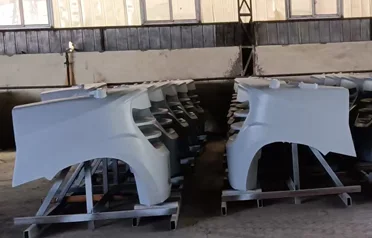
Producing a high-quality mortar pump casing requires advanced casting and machining technologies.
Modern manufacturers like Shengjian Fanrong combine automated casting systems with high-precision CNC machining to achieve consistent dimensional accuracy and structural strength.
Mortar pump casings are widely used across multiple industries that require reliable material transport systems.
In modern high-rise construction projects, durable pump casings are essential for transporting mortar to upper floors efficiently.
Proper maintenance significantly extends the service life of a mortar pump casing.
Routine maintenance helps prevent sudden failures and ensures consistent pumping performance on construction sites.
Selecting a reliable manufacturer ensures product quality, durability, and technical support.
A professional manufacturer such as Shengjian Fanrong provides engineered solutions tailored to different mortar pump models and application environments.
As construction equipment continues to evolve, mortar pump casings are becoming more advanced in both materials and manufacturing technology.
These innovations help reduce maintenance costs and improve operational efficiency for modern construction equipment.
The mortar pump casing protects internal components while directing the flow of mortar through the pump system under pressure.
With proper material selection and regular maintenance, a high-quality casing can operate reliably for several years even in demanding construction environments.
The main cause is abrasion from sand and cement particles within mortar mixtures. Continuous high-pressure pumping also contributes to mechanical stress.
Yes. Many manufacturers offer customized dimensions, materials, and structural designs to fit different pump models and project requirements.
Accurate machining ensures proper alignment of internal components, reduces vibration, and improves sealing performance.
The mortar pump casing is a critical structural component that determines the durability and efficiency of mortar pumping equipment. From material selection to structural design and manufacturing precision, every aspect of the casing influences the performance of the entire pump system.
As construction technologies advance, demand for high-quality pump components continues to grow. Choosing reliable manufacturers with strong engineering capabilities ensures your equipment operates safely and efficiently in demanding job site conditions.
If you are looking for durable and precision-manufactured mortar pump casings, the experienced engineering team at Shengjian Fanrong can provide professional solutions tailored to your needs. For product information, technical consultation, or customized manufacturing services, contact us today to discuss how we can support your next project.