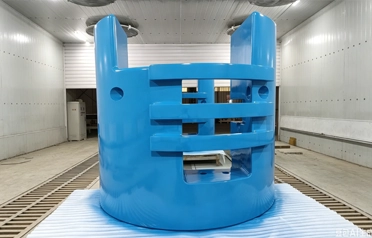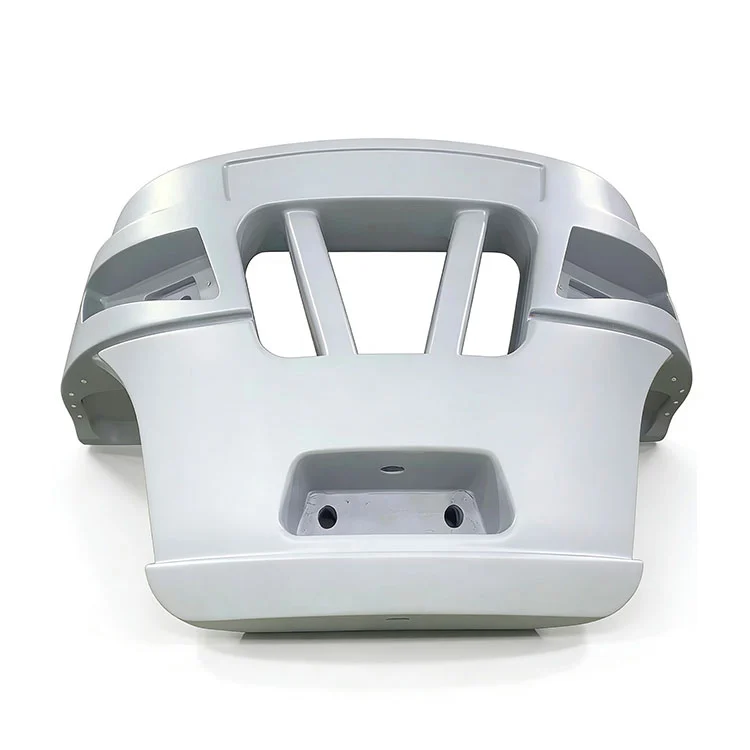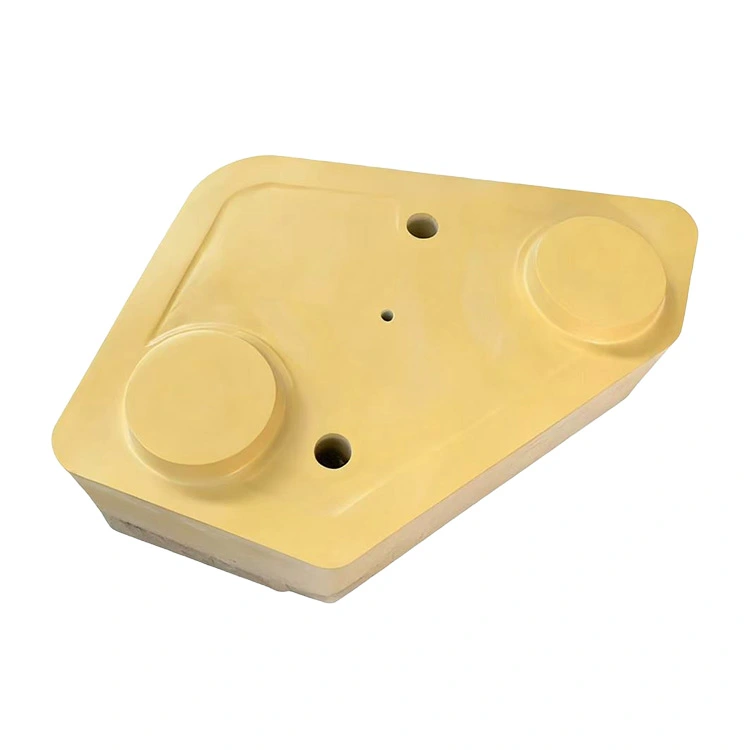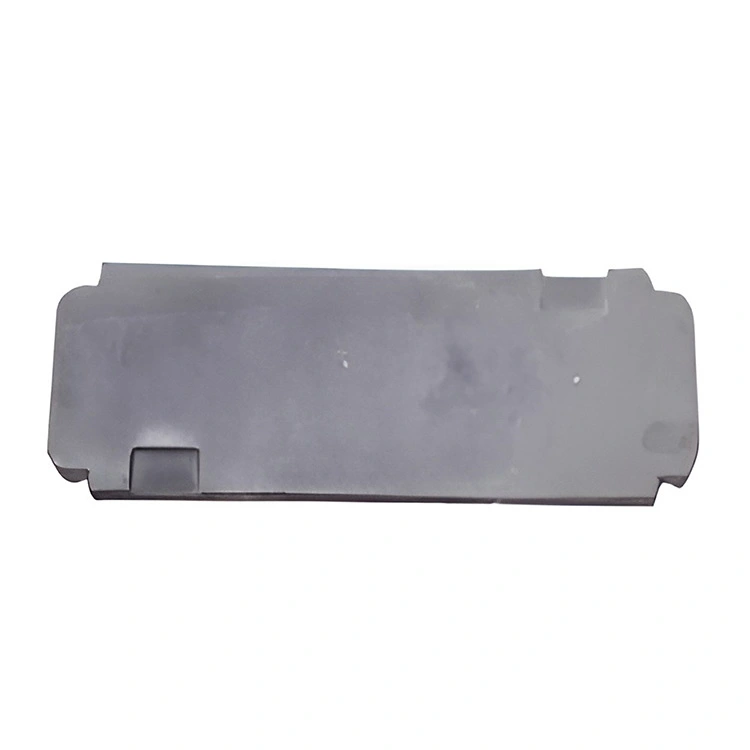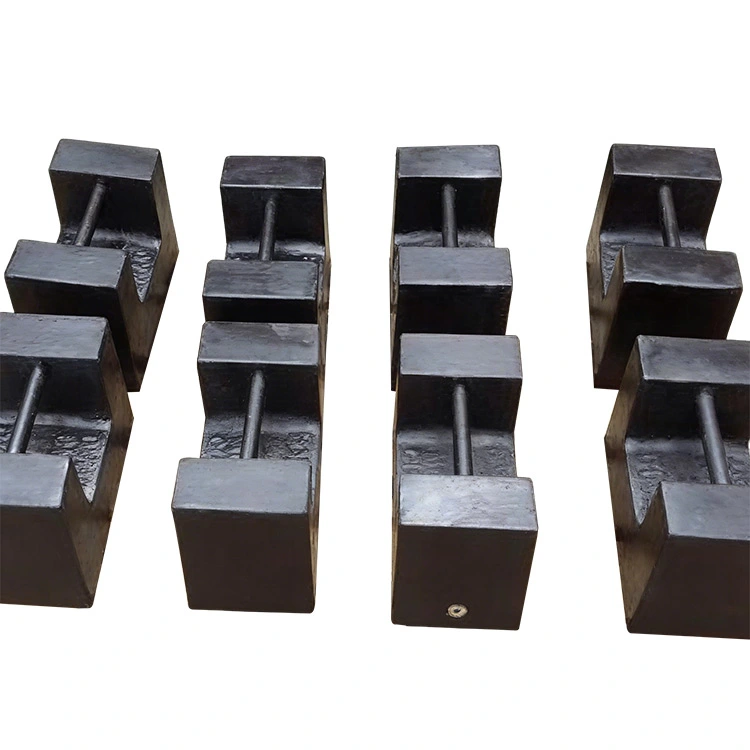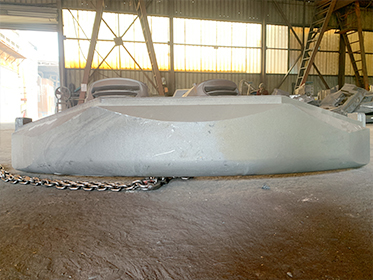
Customized counterweights for high-end engineering machinery often face challenges such as porosity, sand holes, dimensional deviations, uneven density, and easy deformation, which are common pain points in the industry. To meet the stringent drawing standards of high-end equipment for customers in Shandong, the technical team of Zunhua Shengjian Fanrong Machinery Parts Co., Ltd. spent two months focusing on tackling key process challenges, continuously iterating the casting production process, and addressing the shortcomings in counterweight manufacturing one by one. They successfully completed sample testing, process finalization, and full-process acceptance, achieving stable mass production and delivery capabilities. This provides a mature and feasible process solution for the mass production of high-end customized counterweights.
Counterweights, as core components of large-scale engineering machinery and heavy equipment, play a crucial role in balancing the equipment's center of gravity and ensuring stable operation through vibration reduction. Their casting precision, material density, and structural strength directly affect the equipment's operational stability and service life. Counterweights produced using traditional casting processes are prone to quality issues such as internal porosity, surface sand holes, overall deformation, and exceeding precision standards, making them unsuitable for the customized needs of today's high-end, precision machinery. This time, our company undertook a customized design project based on drawings from a Shandong machinery company. The client required high-end industry standards for the dimensional accuracy, density uniformity, and compressive toughness of the counterweights. To address these challenging customization requirements, our company quickly assembled a dedicated technical team to comprehensively upgrade and optimize the counterweight casting process, benchmarking against the client's drawing parameters.
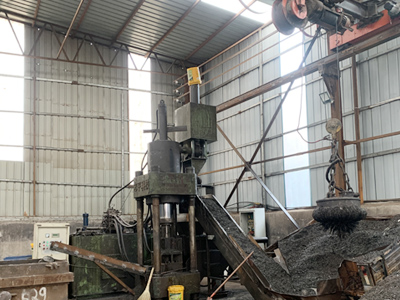
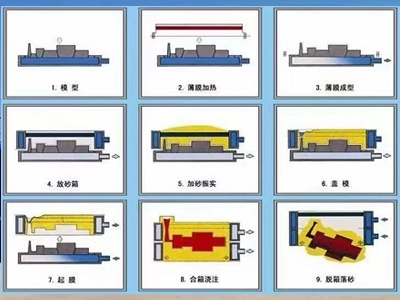
This customized optimization project for counterweight iron lasted two months, adhering to a closed-loop R&D model of "problem identification, process iteration, sample comparison, and finalization" to steadily advance various optimization tasks. Through on-site trial production and testing, the technical team accurately identified the core defects of traditional counterweight iron casting and implemented comprehensive improvements to the three core processes: smelting, casting, and cooling. In the smelting stage, raw materials were purified, and smelting temperature and holding time were precisely controlled to eliminate slag inclusions and porosity issues at the source. In the casting stage, a layered uniform casting process was upgraded to ensure uniform density of the counterweight iron. In the cooling stage, a segmented cooling and shaping scheme was adopted to effectively avoid product deformation and dimensional deviations. During the project, more than ten process iterations and multiple sets of sample comparison tests were completed to select the optimal production parameters, thoroughly resolving various process shortcomings and fully meeting the client's customized standards.
To ensure customized quality, all improved counterweight products underwent comprehensive testing under the company's standardized quality inspection system. All production processes and testing data are authentic, traceable, and verifiable, eliminating the industry's malpractice of theoretically meeting standards but failing actual tests. Key measured data are as follows: product dimensional tolerances are strictly controlled within ±0.02mm, ensuring precise matching to equipment installation points; ultrasonic flaw detection reveals the counterweight is internally dense and defect-free, completely eliminating the risks of porosity and sand holes; overall density uniformity error is less than 0.3%, significantly improving equipment balance and vibration damping; excellent compressive and impact resistance allows for long-term stable operation in complex mining environments. Currently, all process debugging and sample acceptance work for the project has been completed, and the customized counterweight production process is mature and stable, enabling standardized batch delivery.
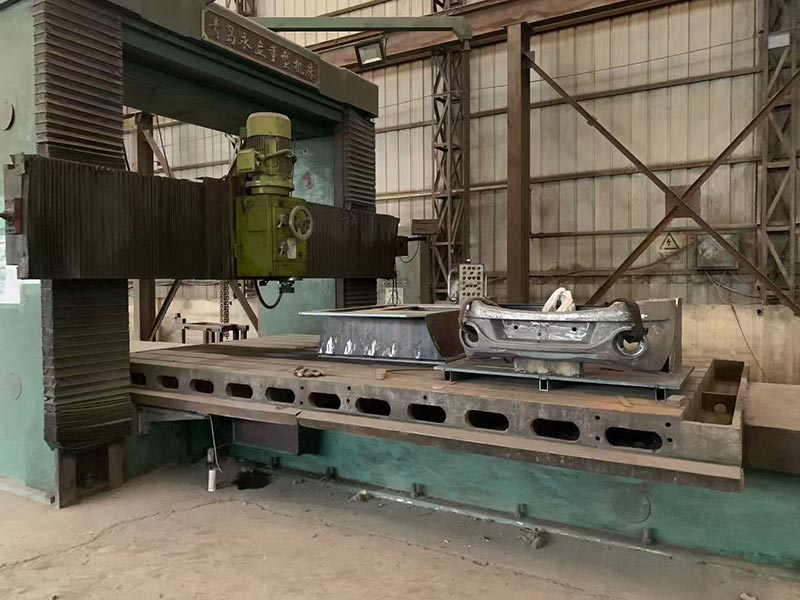
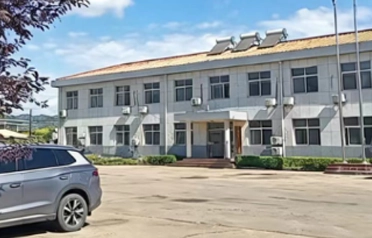
The successful implementation of this high-end customized counterweight project effectively solved many practical pain points of high-end engineering machinery counterweight components, such as poor compatibility, large operating vibration, short service life, and substandard precision. It also provided the company with mature experience in the customization and process optimization of high-end non-standard counterweights. Zunhua Shengjian Fanrong Machinery Parts Co., Ltd. is a manufacturer specializing in the R&D, casting, and production of machinery parts. Specializing in high-precision customized counterweight processing, the company supports non-standard customization based on various customer drawings and personalized process improvements. With a professional technical team, complete production equipment, and stringent quality inspection processes, the company ensures controllable product quality, verifiable data, and efficient delivery. In the future, the company will continue to deepen its expertise in counterweight casting, continuously refine its production processes, and enhance its high-end customization service capabilities to provide highly adaptable and high-quality machinery counterweight component solutions for customers in various industries.