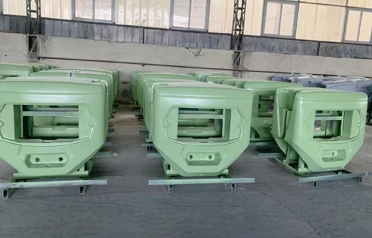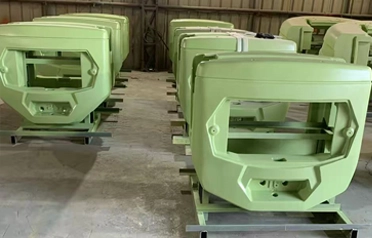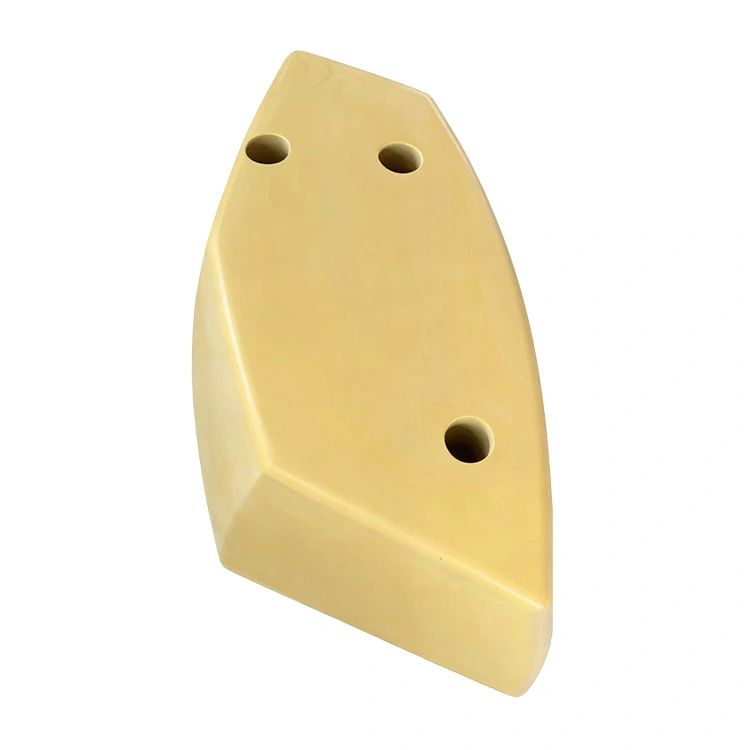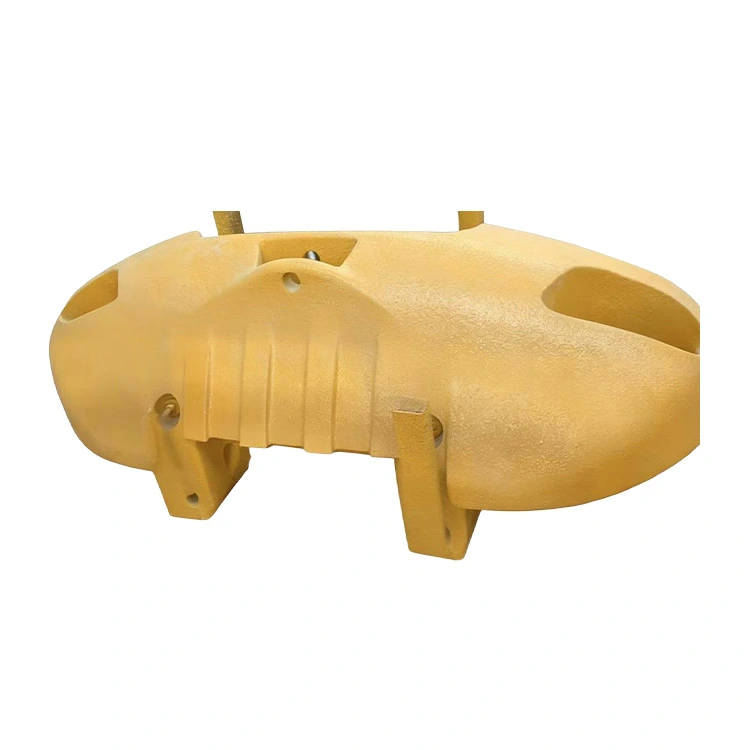
The electric forklift market is experiencing explosive growth, and Zunhua Shengjian Fanrong Machinery Parts Co., Ltd., deeply involved in the field of customized forklift counterweights, is leveraging this trend to help the industry seize this new opportunity. With its advantages of energy conservation, environmental friendliness, and low operating costs, the market penetration rate of electric forklifts continues to rise, leading to a significant increase in demand for lightweight, high-density, and miniaturized counterweights.
Compared to traditional internal combustion forklift parts, electric forklifts have more stringent requirements for the size, center of gravity, and weight precision of counterweights, resulting in a continuous increase in non-standard customized orders. This is also driving counterweight manufacturers to shift from single-product supply to a complete machine matching service model.
Driven by the trends of green development and warehouse automation, sales of electric forklifts have steadily increased, with widespread applications in factories, warehouses, ports, and other scenarios.
Due to the limitations of vehicle body structure and battery layout, traditional standard counterweights can no longer meet usage requirements, making lightweight, high-density custom counterweights the mainstream choice in the market.
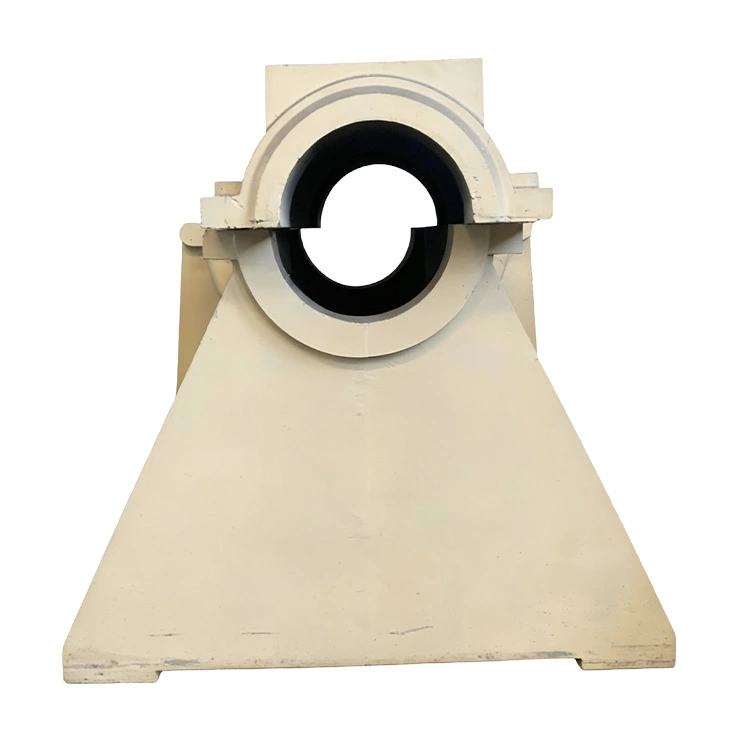
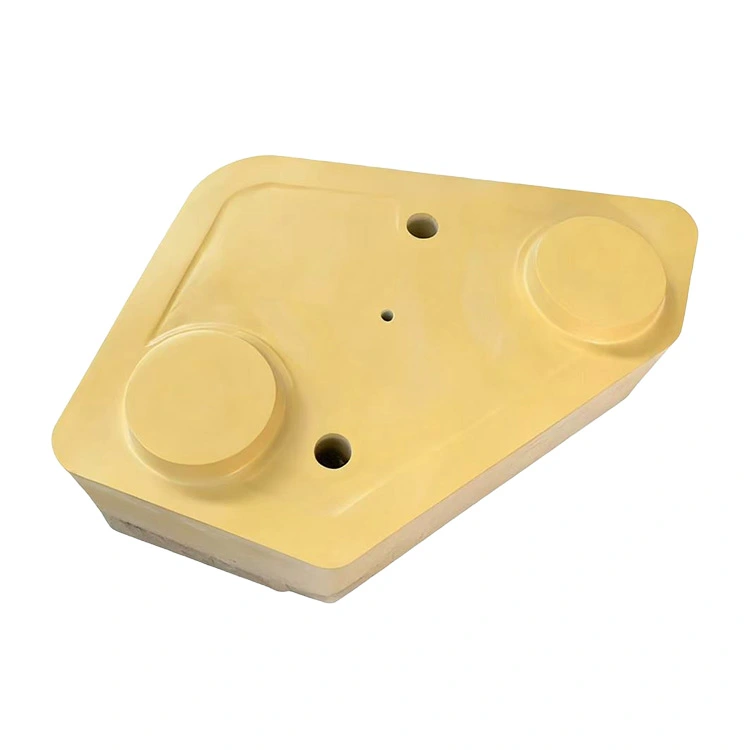
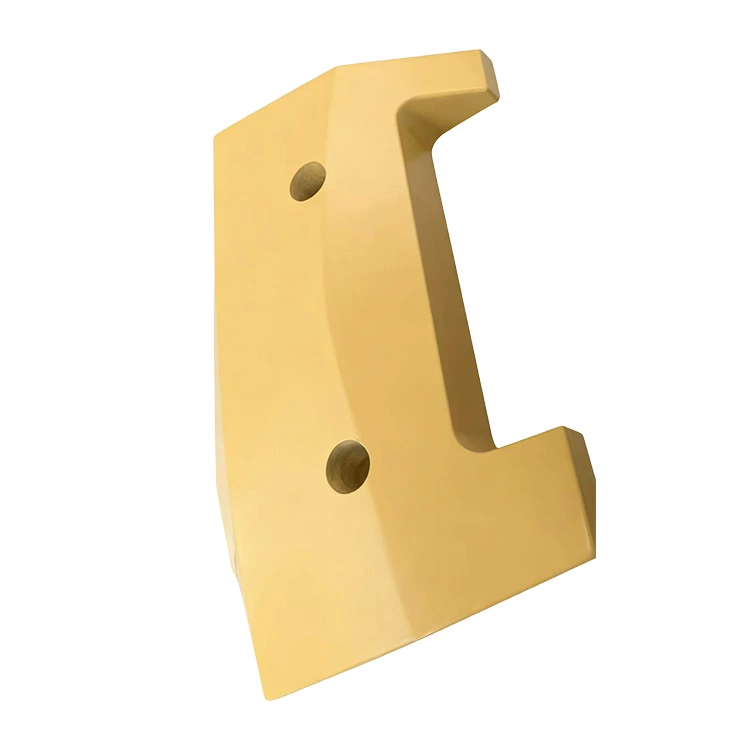
Counterweights are a core component ensuring the stable operation of forklifts. Electric forklifts, with their compact size and high operational standards, have strict requirements for counterweight dimensions, center of gravity positioning, and weight tolerance, leading to widespread non-standard, irregular designs.
Currently, the industry primarily uses ductile iron and high-density composite materials to create customized counterweights. These products offer better profit margins than traditional standard parts, attracting numerous companies to enter the market and cultivate this segment.
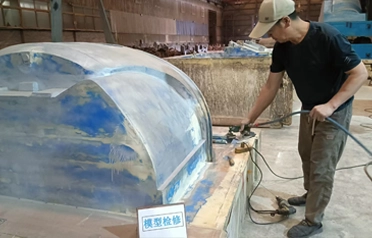
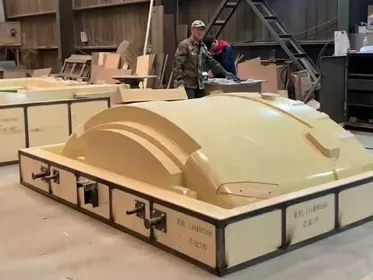
Major manufacturers continue to increase investment in mold R&D, effectively shortening the customization cycle of counterweights by leveraging technologies such as simulation testing and 3D prototyping.
Many manufacturers are no longer limited to product supply but are deeply involved in the overall design of forklifts, providing integrated counterweight solutions including material selection, structural optimization, and center of gravity adjustment. Companies are simultaneously optimizing their production capacity structure, focusing on high-end products, and expanding into overseas markets based on compliance certifications, maintaining stable growth in export business.
As the electric forklift industry continues to expand, the customized counterweight market continues to offer significant advantages. Deepening technological capabilities and optimizing supporting services will be key to the steady development of enterprises.