As the casting industry faces ever-increasing demands regarding product quality, environmental protection, and production efficiency, V-Process casting(Vacuum Process) is gradually emerging as a pivotal technique in modern foundry operations, thanks to its distinct advantages—including high precision, minimal pollution, and high material recovery rates.
The V-Process—also known as vacuum-sealed molding or negative-pressure casting—operates on a core principle: utilizing a combination of "binder-free dry sand + plastic film sealing + vacuum-induced compaction." Instead of relying on traditional chemical curing methods, it achieves mold formation through physical pressure differentials.
• Sealing the flask and pattern using a plastic film.
• Employing a vacuum pump to evacuate air, thereby generating a negative pressure of 300–500 mmHg.
• Compacting the dry sand under atmospheric pressure to achieve a hardness level of 85–95 HB.
• Maintaining the negative pressure throughout the entire pouring and solidification phases; once cooled, the vacuum is released, causing the dry sand to automatically disintegrate.
V-Process Casting Workflow
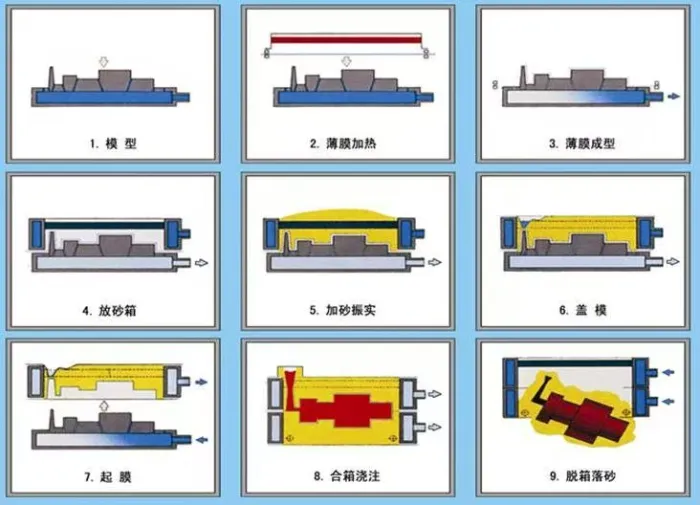
The entire V-Process casting procedure primarily comprises the following seven steps:
1. Pattern Preparation
Utilize a pattern plate or pattern equipped with vacuum vents, ensuring that these vents are uniformly distributed to facilitate subsequent vacuum suction.
2. Film Application
Heat a plastic film to a temperature of 80–120°C to soften it, then drape it over the surface of the pattern; apply a vacuum to ensure the film adheres tightly and precisely to the pattern's contours.
3. Refractory Coating Application
Spray a quick-drying refractory coating—approximately 0.04 mm thick—onto the surface of the mold cavity, followed by a drying process; this step prevents sand adhesion (burn-on) and enhances the sealing effectiveness.
4. Sand Filling and Compaction
Position a specialized flask over the pattern, then fill it with 100–200 mesh dry quartz sand; apply micro-vibration to compact the sand mold and level the surface.
5. Sealing and Vacuuming
Cover the top surface of the flask with a sealing film and apply a vacuum to generate negative pressure, thereby hardening and stabilizing the sand mold structure.
6. Pattern Stripping and Mold Assembly
Release the vacuum on the pattern plate to complete the pattern stripping process; subsequently, insert the cores (if required) and assemble the mold halves, while continuously maintaining the negative-pressure state in preparation for pouring. 7. Pouring and Shakeout
Pouring is performed under vacuum conditions (with a pouring temperature of approximately 1300–1400°C for gray iron). Once the casting has cooled to approximately 90°C, the vacuum is released, triggering an automatic shakeout process followed by subsequent cleaning.
Core Advantages of V-Process Casting
Compared to traditional sand casting processes, V-Process casting offers distinct and comprehensive advantages:
1. High Casting Quality
The surface finish of the castings can reach Ra12.5, and dimensional accuracy can achieve Grade CT9. The defect rate is low, and draft angles can even be reduced to 0°, making the process particularly suitable for high-precision components with complex structures.
2. Eco-Friendly and Sustainable
The process requires no binders, effectively reducing dust and harmful gas emissions. The recovery rate for used sand exceeds 95%, aligning perfectly with the modern trend toward green manufacturing.
3. Low Production Costs
It eliminates the cost of resins and curing agents while simultaneously extending mold life by 30–50%. Furthermore, machining allowances on castings are reduced by 20–40%, thereby further lowering subsequent processing costs.
4. Wide Range of Applications
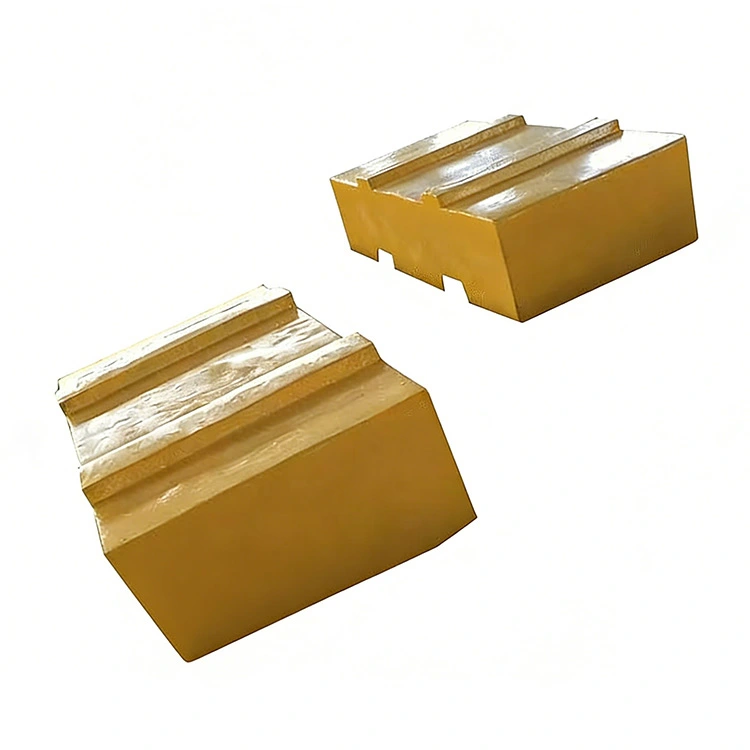
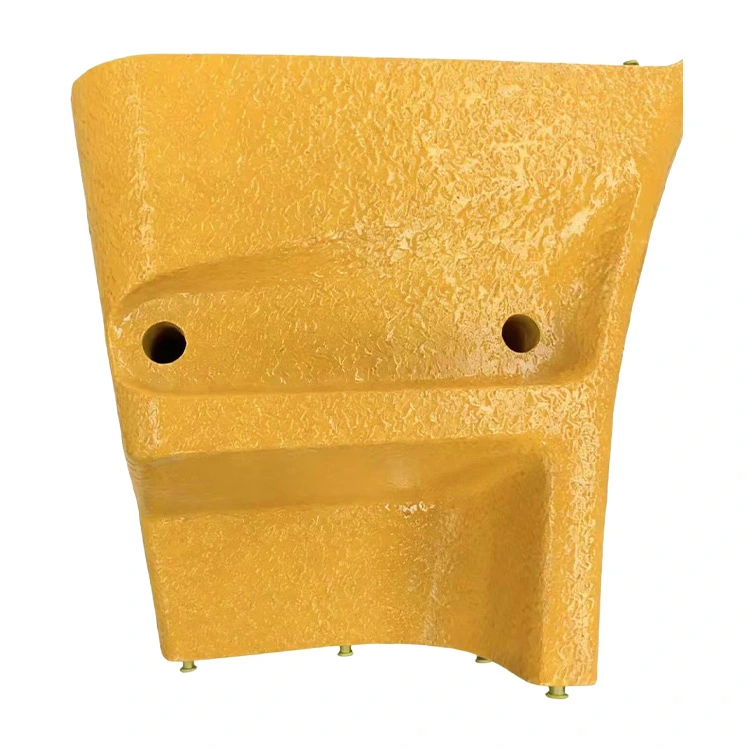
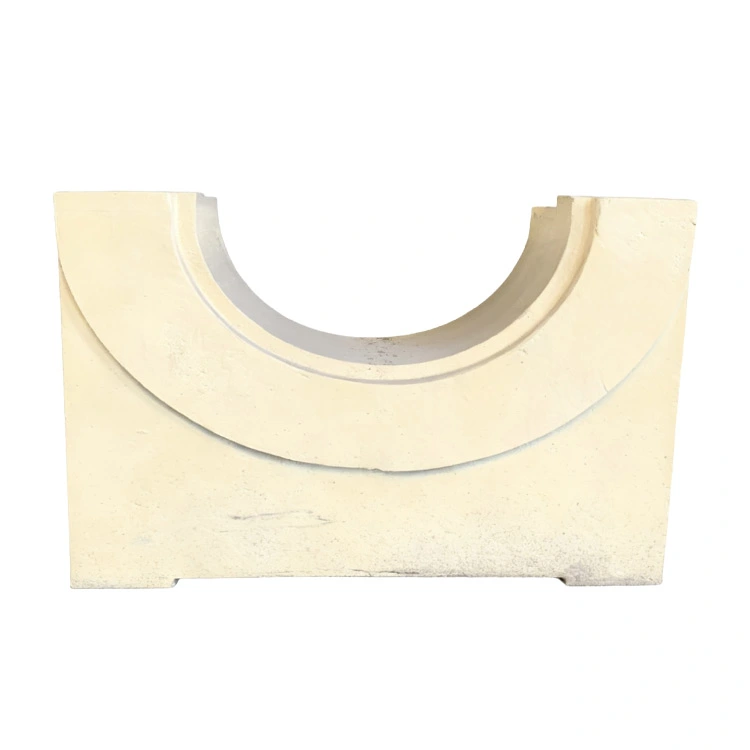
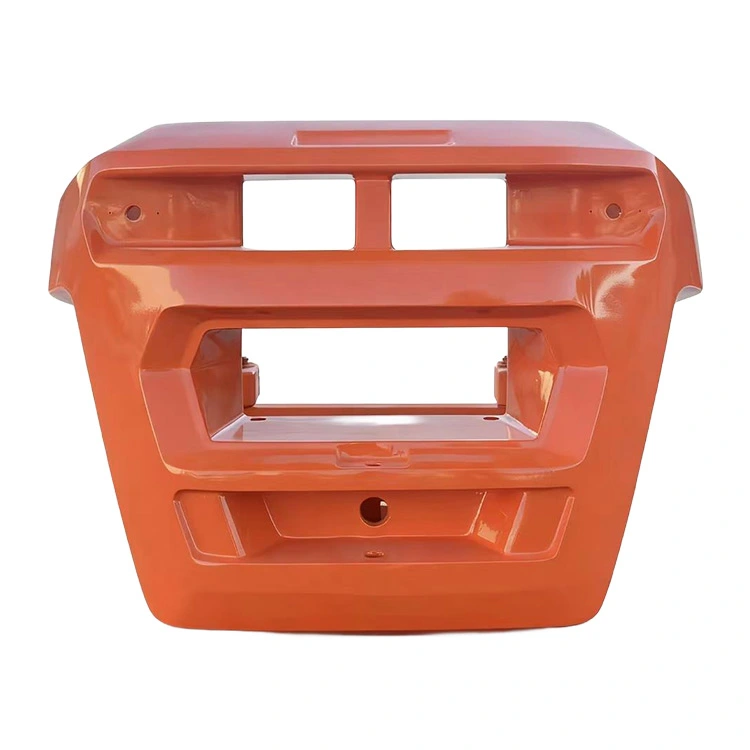
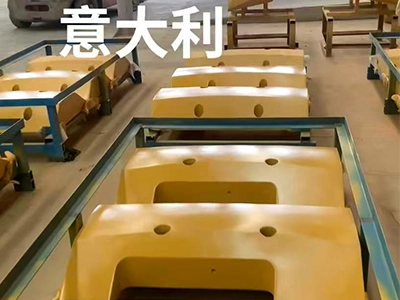
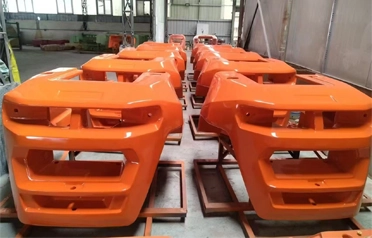
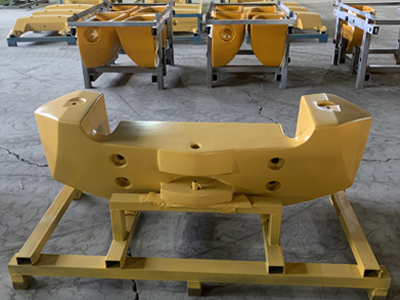
Suitable for a variety of materials—including cast iron, cast steel, and non-ferrous alloys—the process is widely utilized in the production of large-scale components, thin-walled parts, and complex structural assemblies, such as machine tool beds, counterweights, and various types of housings.
Leveraging its advantages in high quality, environmental sustainability, and cost-effectiveness, V-Process casting is continuously driving the foundry industry toward a future characterized by high-efficiency, eco-friendly, and precision manufacturing.