Article Summary
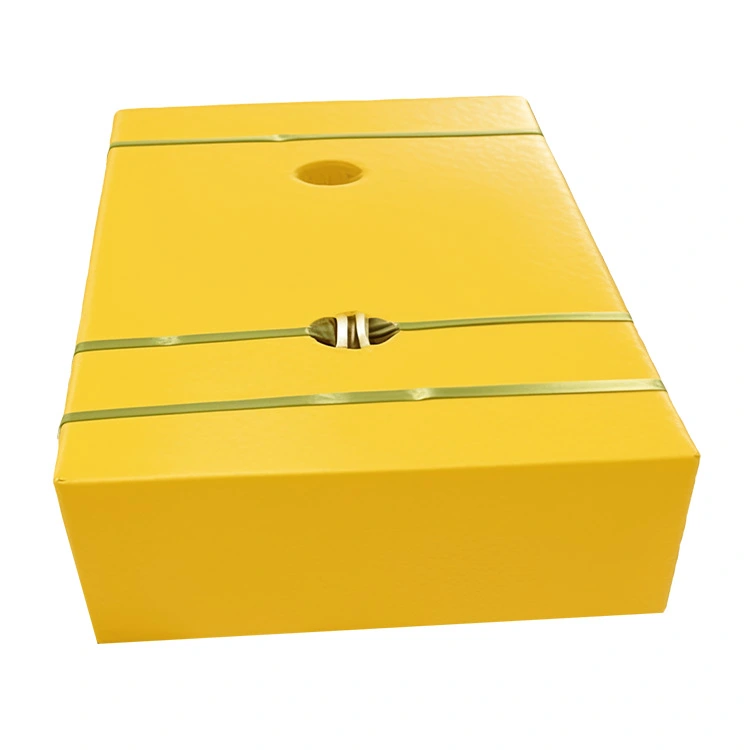
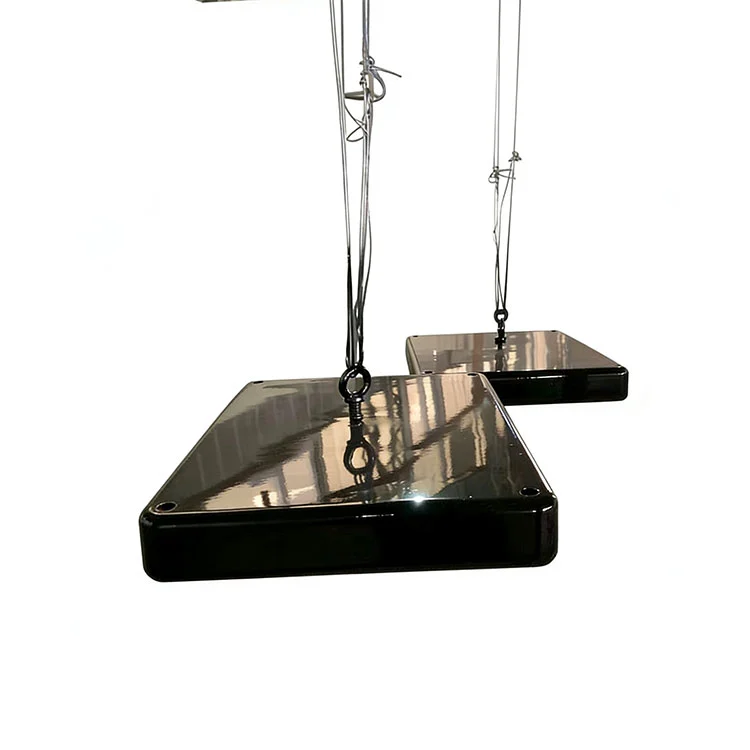
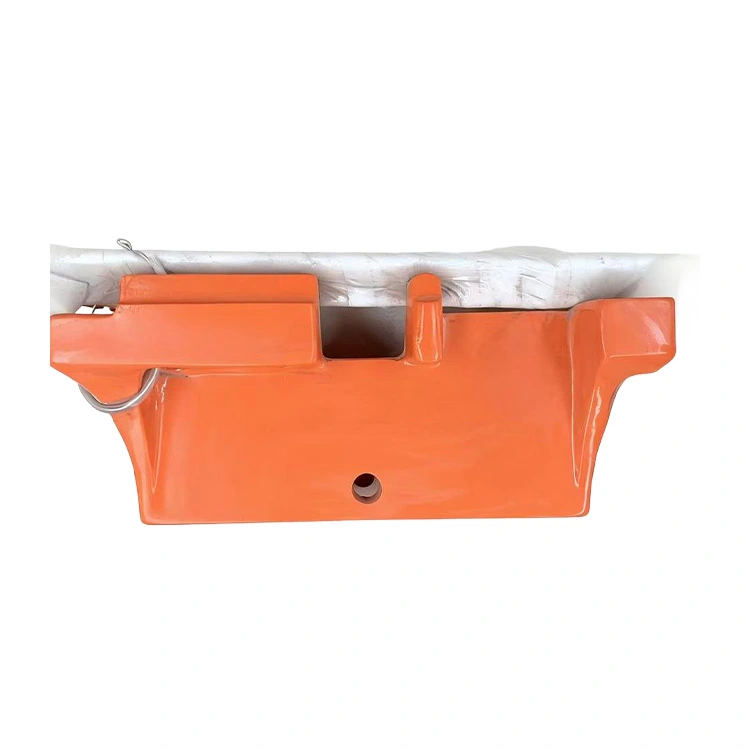
A boom lift may look like a machine defined by height, reach, and hydraulic power, but its real confidence comes from balance. The boom lift counterweight is one of the key components that helps stabilize the equipment when the platform rises, extends, rotates, or works with operators and tools at height. For rental companies, equipment manufacturers, fleet managers, and maintenance teams, choosing the right counterweight is not simply a matter of weight. It affects safety, machine structure, service life, replacement efficiency, and long-term operating cost.
This article explains how a reliable boom lift counterweight supports aerial work platforms, what buyers should check before purchasing, why material and manufacturing consistency matter, and how a professional counterweight manufacturer can help reduce practical problems such as unstable fit, delivery delays, poor surface protection, and inconsistent batch quality.
Table of Contents
- Article Outline
- Why Is the Boom Lift Counterweight So Important?
- What Problems Do Buyers Usually Face?
- How Should a Buyer Evaluate a Boom Lift Counterweight?
- Why Do Material and Casting Quality Matter?
- What Should Be Compared Before Ordering?
- How Can a Direct Manufacturer Support Better Procurement?
- How Should Counterweights Be Checked During Use?
- FAQ
- Conclusion
Article Outline
- Understanding the stabilizing function of a boom lift counterweight
- Common purchasing risks in replacement and OEM projects
- Key inspection points including weight accuracy, structure, mounting fit, surface finish, and batch consistency
- Material considerations for cast iron and heavy machinery counterweights
- How cooperation with a direct factory improves lead time, customization, and after-sales response
- Practical maintenance tips for rental fleets and equipment users
Why Is the Boom Lift Counterweight So Important?
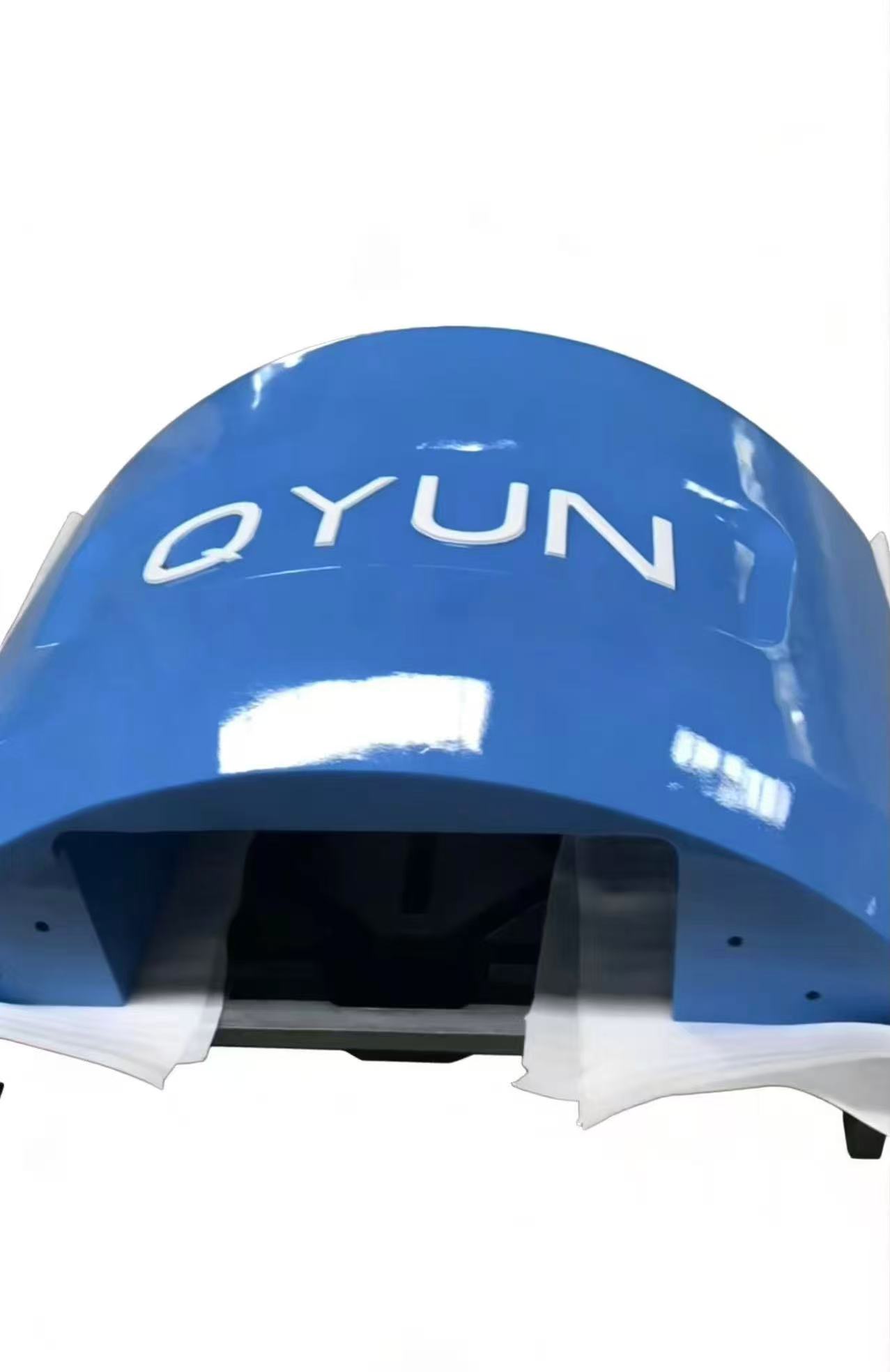
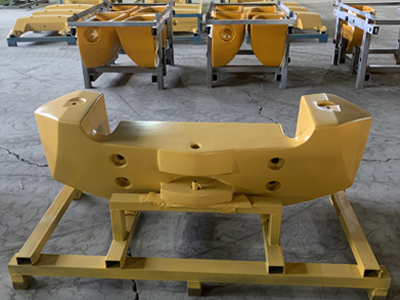
A boom lift is designed to raise people and tools into positions that ordinary access equipment cannot reach. When the boom extends outward or upward, the machine faces a changing load moment. The platform, operator, tools, wind influence, boom angle, and ground condition all create forces that must be controlled. A boom lift counterweight helps offset these forces and keeps the machine stable within its designed working range.
Many buyers focus first on engine power, platform height, hydraulic performance, or tire configuration. Those are important, of course. But without a properly designed counterweight, the machine cannot deliver stable performance. The counterweight does not work alone; it cooperates with the chassis, boom structure, axle position, control system, and safety limit settings. Even so, its role is direct and unavoidable: it provides mass in the right position to help balance the lift.
For equipment manufacturers, a stable boom lift counterweight helps maintain machine performance across different production batches. For rental companies, it supports safer daily operation and reduces customer complaints. For maintenance teams, a compatible replacement counterweight can shorten repair time and return the machine to service faster.
What Problems Do Buyers Usually Face?
Buyers often start looking for a boom lift counterweight only after a problem appears. A machine may need replacement parts after collision damage, corrosion, heavy wear, or model refurbishment. In OEM projects, the challenge is different: the buyer needs repeatable quality, stable dimensions, and a supplier that can follow drawings without turning every batch into a new negotiation.
The most common pain point is uncertainty. The buyer may know the machine model but not the exact counterweight specification. Sometimes an old part is damaged, the original supplier is slow to respond, or the equipment has been modified over years of use. In other cases, the counterweight looks simple, so purchasing teams may underestimate the need for technical confirmation.
Another problem is delivery pressure. A boom lift sitting idle in a rental yard is not making money. If the counterweight is unavailable, delayed, or poorly fitted, the downtime becomes more expensive than the part itself. That is why buyers need a supplier that understands heavy machinery parts, not just a general metal casting seller.
- Unclear drawings or incomplete product parameters
- Mismatch between replacement parts and machine mounting points
- Inconsistent weight between batches
- Poor coating or surface protection that leads to early corrosion
- Slow delivery for urgent repair or after-sales needs
- Limited communication during customized production
How Should a Buyer Evaluate a Boom Lift Counterweight?
A professional purchase should begin with the machine application. Is the counterweight intended for an articulating boom lift, telescopic boom lift, or another aerial work platform? Is it a new OEM project, a replacement order, or a customized batch for refurbishment? These questions help define the technical path before price comparison begins.
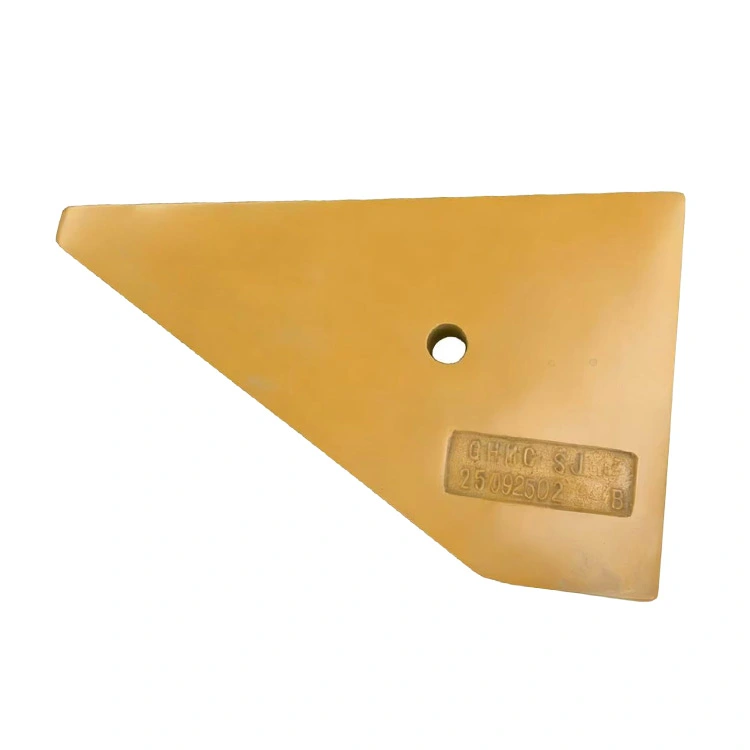
The next step is to confirm weight, shape, mounting structure, dimensional tolerance, and surface treatment. A counterweight must match the design requirements of the equipment. It should fit securely, avoid interference with nearby components, and maintain the required balance performance. When possible, buyers should provide drawings, samples, model information, photos, or installation measurements.
For large-volume procurement, batch consistency is especially important. One good sample does not guarantee stable long-term supply. Buyers should ask whether the supplier has experience with engineering machinery counterweights, whether production can support repeated orders, and whether inspection steps are clear.
Practical buyer checklist:
- Confirm the exact machine type and working application.
- Check required weight and allowable tolerance.
- Review mounting holes, grooves, brackets, and contact surfaces.
- Confirm whether machining is required after casting.
- Check surface protection requirements for outdoor use.
- Ask about packaging methods for long-distance transport.
- Confirm production capacity and expected delivery schedule.
- Request quality control information before placing repeat orders.
Why Do Material and Casting Quality Matter?
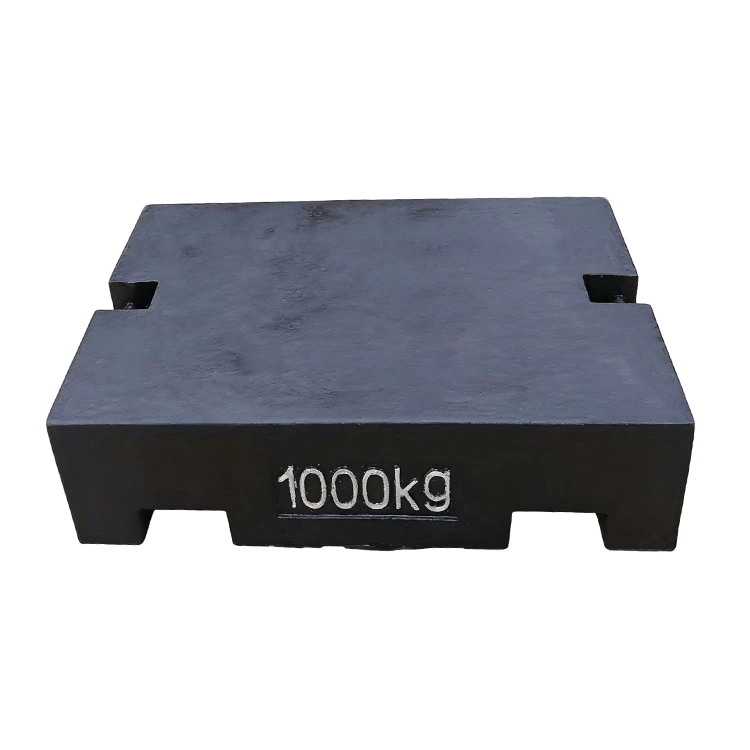
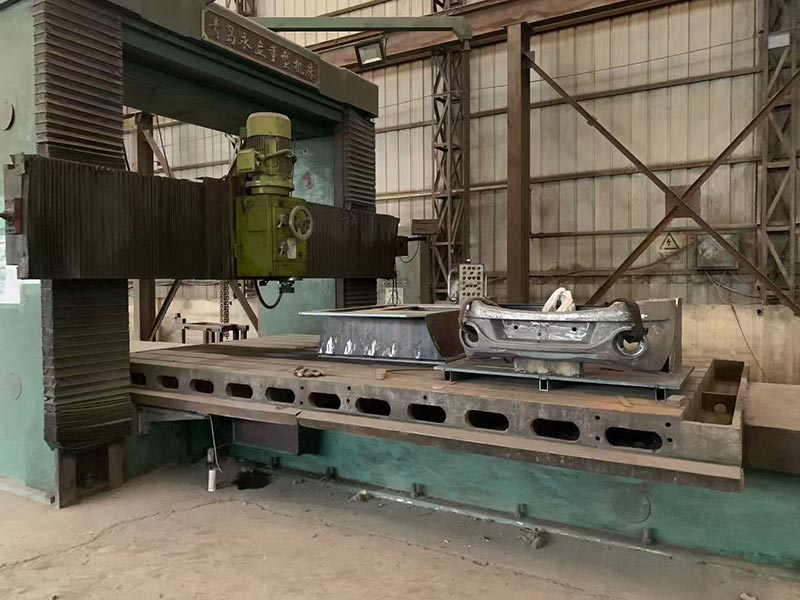
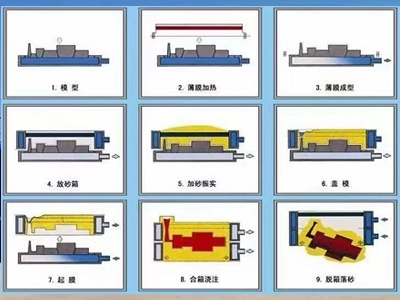
A boom lift counterweight is commonly produced from dense metal materials because the component needs significant mass in a limited space. Cast iron is often used for heavy machinery counterweights due to its density, castability, structural stability, and cost efficiency. However, the value of a counterweight is not only in the raw material. Casting process control, mold accuracy, cooling management, machining precision, and surface finishing all influence the final performance.
Poor casting quality may create hidden problems such as internal defects, unstable structure, rough fitting surfaces, or inconsistent dimensions. Even when the visible appearance looks acceptable, poor process control can cause installation problems or shorten service life. For aerial work equipment, buyers should avoid treating counterweights as low-value rough castings. They are part of a machine that may carry people high above the ground.
Surface treatment also matters because boom lifts often work outdoors. Rain, mud, construction dust, industrial environments, and repeated transport can all damage exposed surfaces. A suitable coating or paint system helps protect the counterweight from corrosion and keeps the equipment looking professional in rental or resale conditions.
What Should Be Compared Before Ordering?
Price matters, but it should not be the only comparison point. A low unit price can become expensive if the part arrives late, does not fit, requires rework, or fails to meet batch requirements. A more useful comparison looks at the full procurement result: technical communication, product suitability, production reliability, inspection, packaging, and after-sales response.
| Comparison Point | Why It Matters | What Buyers Should Ask |
|---|---|---|
| Weight accuracy | The counterweight must support the intended balance design of the boom lift. | Can the supplier control weight tolerance according to the drawing or sample? |
| Dimensional fit | Incorrect mounting dimensions can delay installation and increase repair cost. | Can mounting holes, contact surfaces, and special shapes be produced accurately? |
| Material selection | Material density, stability, and casting performance affect final usability. | What material is recommended for this application and order volume? |
| Surface protection | Outdoor machines need protection against rust, impact, and wear. | What painting or coating options are available? |
| Production capacity | Stable supply is important for OEM buyers and rental fleet maintenance. | Can the factory support urgent orders and repeat batches? |
| Packaging and transport | Counterweights are heavy and require safe handling during shipping. | How will the product be packed to reduce damage during long-distance delivery? |
How Can a Direct Manufacturer Support Better Procurement?
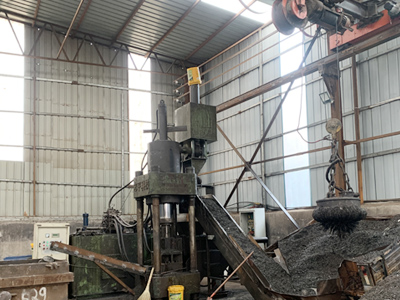
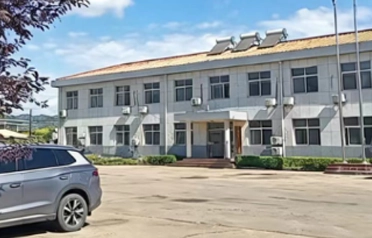
Working with a direct manufacturer can make the purchasing process more predictable. Zunhua Shengjian fanrong Machinery Parts Co., Ltd. focuses on machinery counterweight products and related heavy casting parts, which gives buyers a more practical communication path when dealing with boom lift counterweight requirements. Instead of only discussing price, the conversation can include drawings, samples, production feasibility, batch needs, packaging, and delivery planning.
For OEM buyers, direct factory communication helps reduce information loss. Technical details can be confirmed earlier, and adjustments can be made before mass production. For distributors and repair service providers, a factory with sufficient production experience can support different order types, from replacement counterweights to customized parts for specific aerial work platforms.
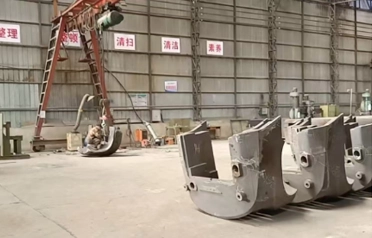
Another advantage is supply stability. Heavy machinery parts are not always easy to source quickly, especially when the required counterweight has a special structure. A manufacturer with production lines, stock planning, and experience in engineering vehicle counterweights can help buyers respond to urgent market demand more efficiently.
- Support for drawing-based or sample-based customization
- Better control over casting, machining, and surface treatment
- More direct communication on technical details
- Flexible support for OEM, replacement, and batch procurement
- Improved delivery planning for urgent after-sales requirements
How Should Counterweights Be Checked During Use?
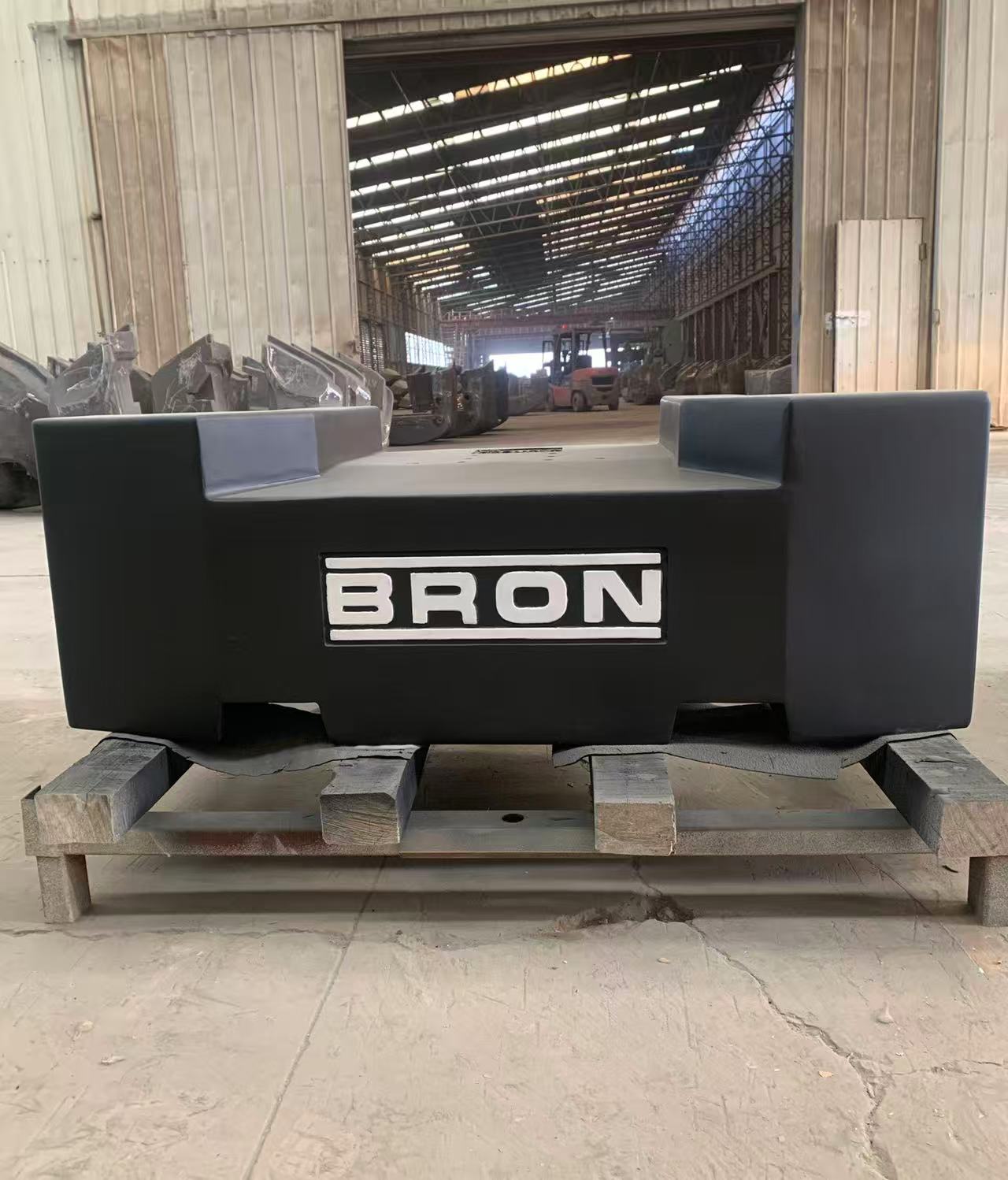
A boom lift counterweight usually has a long service life, but it should still be included in routine equipment checks. Fleet managers and operators should inspect visible damage, loose mounting points, cracks, deformation, severe corrosion, and signs of impact. If the machine has experienced collision, overturning risk, transportation damage, or structural repair, the counterweight area should be checked carefully before the lift returns to service.
Maintenance teams should also pay attention to repainting and corrosion prevention. Surface rust may begin as a cosmetic issue, but if ignored for a long time, it can affect the appearance and value of the machine. For rental fleets, clean and well-maintained counterweights also help customers trust the overall condition of the equipment.
If replacement is needed, buyers should avoid rough estimation. The safest approach is to compare the existing component with drawings or confirmed specifications. When documentation is unavailable, clear photos, measurements, machine model information, and installation details should be shared with the supplier for technical review.
Routine inspection points include:
- Check whether mounting bolts and connection points are secure.
- Look for cracks, deformation, or obvious impact marks.
- Inspect coating damage and corrosion, especially on outdoor machines.
- Confirm that the counterweight does not interfere with other parts.
- Record any abnormal noise or movement around the counterweight area.
- Replace damaged parts with properly matched components rather than improvised alternatives.
FAQ
Q1: Can a boom lift operate if the counterweight is slightly different from the original part?
It should not be treated casually. Even a small difference in weight, shape, or mounting position may affect balance, structure, or machine safety settings. Buyers should confirm specifications before replacement.
Q2: What information should I provide when ordering a boom lift counterweight?
Useful information includes machine model, counterweight photos, drawings, dimensions, required weight, installation position, mounting hole details, surface treatment needs, and order quantity.
Q3: Is cast iron suitable for boom lift counterweights?
Cast iron is widely used for heavy machinery counterweights because it provides strong density, stable casting performance, and practical cost control. The final suitability depends on the machine design and technical requirements.
Q4: Why does surface treatment matter for a counterweight?
Boom lifts often work outdoors. Proper surface treatment helps reduce corrosion, improves appearance, and supports longer service life, especially for rental fleets and construction equipment exposed to weather.
Q5: Can counterweights be customized for different aerial work platforms?
Yes. A professional manufacturer can usually produce customized counterweights according to drawings, samples, or confirmed technical requirements. Clear communication before production is essential.
Q6: How can I reduce procurement risk when buying from overseas?
Confirm drawings, material, tolerance, inspection methods, packaging, delivery schedule, and after-sales communication before placing an order. For repeat purchases, sample confirmation can help reduce batch risk.
Conclusion
A reliable boom lift counterweight is not just a heavy component placed at the back of a machine. It is part of the stability system that helps the aerial work platform perform safely and consistently. Buyers who only compare price may overlook the real factors that decide whether the part will install smoothly, last long enough, and support the machine under demanding work conditions.
The better approach is to evaluate weight accuracy, material quality, casting control, dimensional fit, surface protection, packaging, production capacity, and supplier communication together. For OEM projects, replacement needs, and fleet maintenance, these details can reduce downtime and make procurement far less stressful.
Ready to Source a Reliable Boom Lift Counterweight?
If you need a boom lift counterweight for manufacturing, replacement, equipment repair, or batch purchasing, Zunhua Shengjian fanrong Machinery Parts Co., Ltd. can help you review the requirements and provide practical counterweight solutions for engineering machinery applications. Send us your drawings, photos, specifications, or machine model details, and our team will help you move from uncertain sourcing to a clearer purchasing plan. For customized support, product details, or quotation assistance, please contact us today.