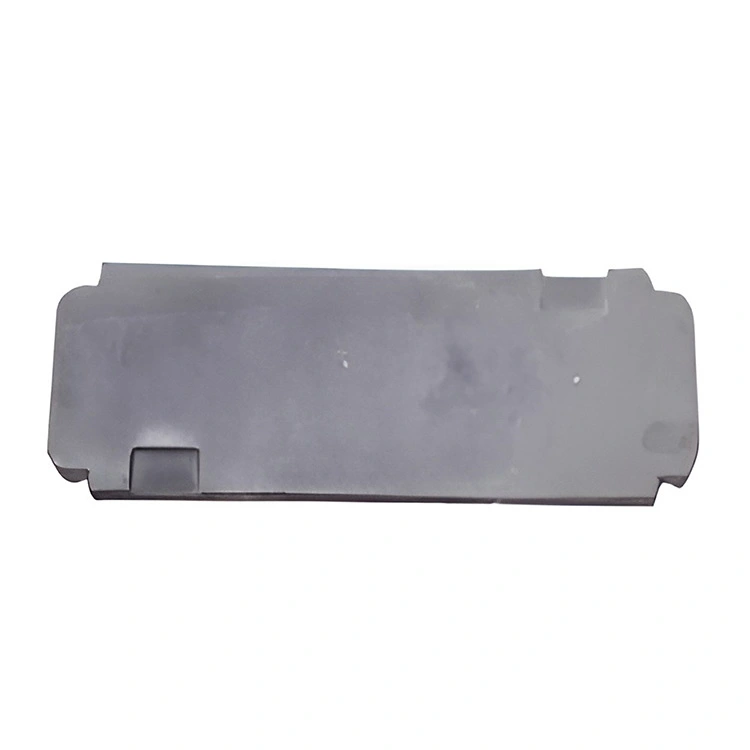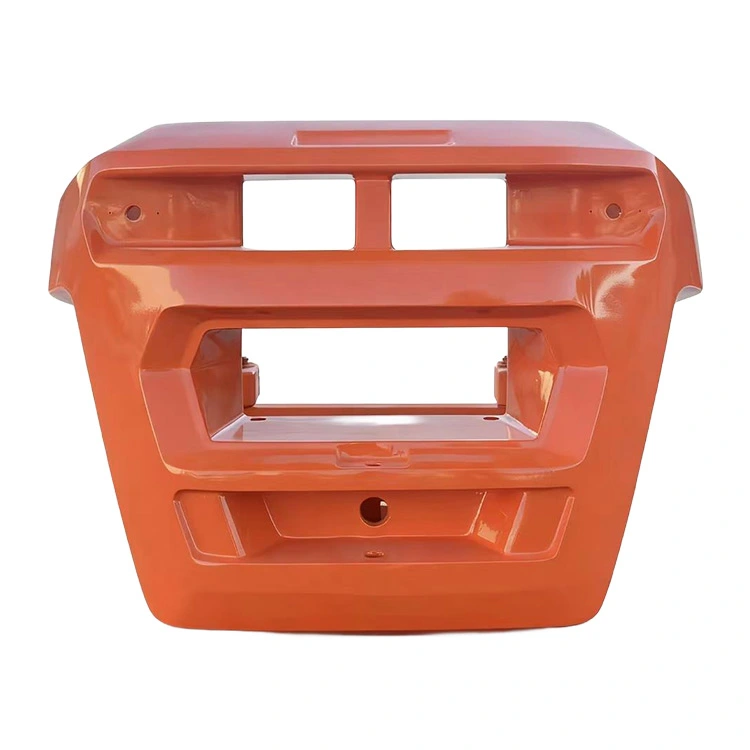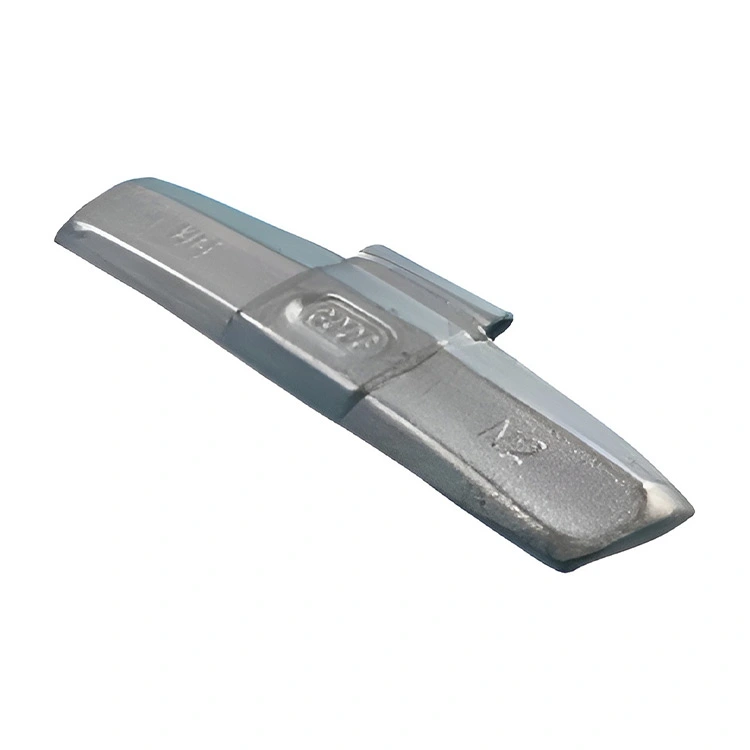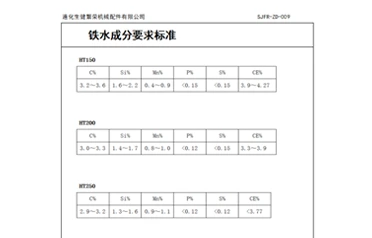
In engineering projects, water pumps rarely fail because of one dramatic accident. More often, the problem begins with a small mismatch: a pump casing that cannot handle vibration, a cover that loses sealing stability, a frame that slowly shifts under load, or an accessory that looks acceptable on paper but performs poorly after months of continuous operation. That is why Engineering Water Pump Accessories deserve more attention during procurement, maintenance planning, and equipment upgrading.
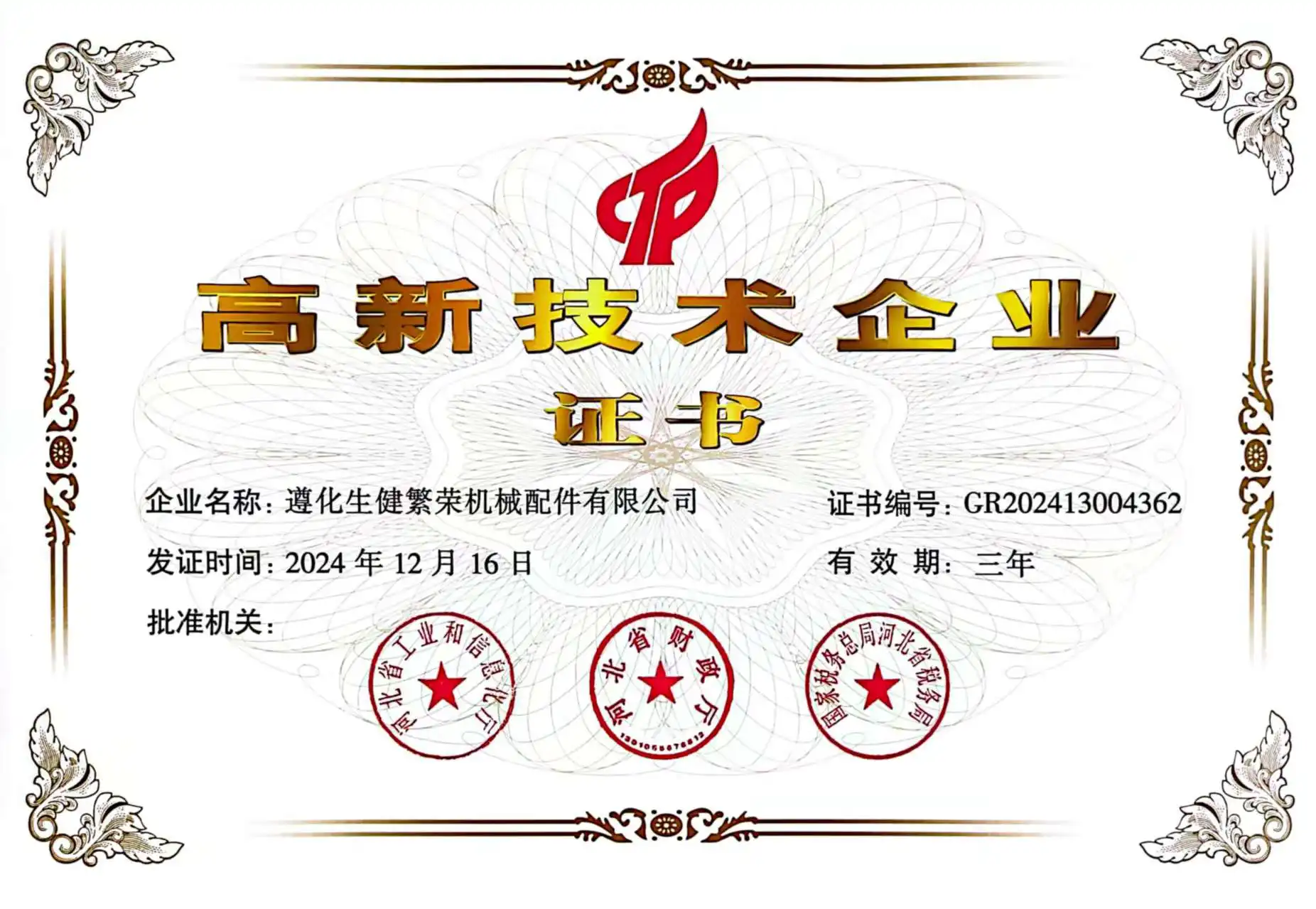
For contractors, pump manufacturers, municipal projects, mining sites, water treatment plants, and industrial users, the real cost is not only the price of the part. The larger cost is downtime, repeated installation work, fluid leakage, unstable flow, emergency maintenance, and delayed project delivery. This article explains how better accessory selection can help reduce these risks and why working with an experienced manufacturer such as Zunhua Shengjian fanrong Machinery Parts Co., Ltd. can support more stable pump operation in demanding environments.
Engineering Water Pump Accessories are not secondary parts in a pump system. Components such as pump frames, pump covers, and pump housings directly influence alignment, sealing, vibration control, maintenance frequency, and service life. When these parts are poorly designed or poorly manufactured, the entire pump system may suffer from noise, leakage, premature wear, and unplanned shutdowns. This blog explains how buyers can evaluate accessory quality from material, casting, machining, dimensional accuracy, surface treatment, application conditions, and supplier capability.

Many buyers focus first on the motor, impeller, flow rate, and pump model. That is understandable. These are the visible performance indicators. However, the accessories around the core pump structure often decide whether the equipment can keep working smoothly after installation. A water pump frame must support the system under load. A pump cover must help maintain sealing and protection. A pump housing must contain the hydraulic process while resisting pressure, abrasion, and vibration.
In real engineering conditions, the pump may operate for long hours, handle particles, face unstable foundations, or run in humid, corrosive, or high-load environments. If the accessories are weak, inaccurate, or poorly finished, the pump may still start normally, but the hidden problems will appear later. Bolts loosen. Surfaces wear. Seals become unstable. Noise increases. Maintenance teams begin to replace small parts again and again, while the root cause remains in the structural accessory.
This is why Engineering Water Pump Accessories should be evaluated as performance-related components, not just replacement items. A well-made accessory supports stable operation, reduces unnecessary repair work, and helps the pump maintain its intended efficiency over time.
Poor-quality pump accessories usually create practical problems that are easy to underestimate during purchasing but expensive to handle after installation. The first issue is dimensional mismatch. If the mounting surface, bolt hole, or sealing surface is slightly inaccurate, installation becomes more difficult. Workers may force the part into position, but forced assembly often creates stress inside the system.
The second issue is vibration. A pump frame or casing that lacks sufficient rigidity may amplify vibration instead of controlling it. Over time, vibration can affect bearings, seals, fasteners, and connected pipelines. A small structural weakness can slowly spread into a larger reliability problem.
The third issue is leakage. Pump covers and housings must support sealing performance. Rough surfaces, poor machining, casting defects, or deformation can allow fluid to escape. Even minor leakage can create safety concerns, cleaning costs, and pressure loss.
The fourth issue is premature wear. In applications involving slurry, industrial water, construction water, or abrasive particles, the pump casing and related components need suitable strength and wear resistance. If the material selection is wrong, the part may wear faster than expected, increasing replacement frequency.
The fifth issue is supply instability. For project buyers, one failed batch can delay installation schedules. If replacement accessories are not consistent with the original parts, maintenance becomes unpredictable. That is why stable manufacturing, drawing-based customization, and reliable inspection records matter.
Buyers should begin with the working condition, not the product name. A pump accessory used in a light-duty water circulation system is not the same as one used in mining drainage, chemical processing, municipal engineering, or construction equipment. The operating environment decides the required strength, surface quality, sealing accuracy, and wear resistance.
For pump frames, the key question is whether the structure can maintain alignment under load. A stable frame helps reduce vibration and supports the relationship between the motor, pump, and connected system. Buyers should pay attention to rigidity, mounting accuracy, casting integrity, and machining precision.
For pump covers, sealing support is especially important. A good cover should fit accurately, resist deformation, and provide a reliable contact surface. Poor surface finishing may lead to leakage even when the gasket or seal is properly installed.
For pump housings, the focus should be on pressure resistance, wear resistance, internal surface quality, and dimensional consistency. The housing is one of the most important structural parts in the pump system. If it fails, the whole pump may need to stop.
Material selection is one of the most important decisions when sourcing Engineering Water Pump Accessories. Gray cast iron and ductile iron are widely used because they can provide useful strength, vibration damping, machinability, and durability for many pump-related components. However, buyers should not choose material only by habit. The working condition should guide the decision.
Gray cast iron can be suitable for components where vibration damping, stable shape, and cost efficiency are important. It is commonly used in machinery parts where compressive strength and machinability matter. Ductile iron offers higher toughness and better impact resistance, making it useful when the part may face heavier loads or more demanding mechanical stress.
Besides the base material, buyers should also look at casting quality. A part can use the right material but still fail because of porosity, shrinkage, uneven wall thickness, or hidden defects. Surface treatment also matters. Shot blasting, cleaning, and protective finishing can improve appearance, remove scale, and prepare the component for further coating or installation.
The best material choice is not always the most expensive one. It is the one that matches the pump’s operating pressure, installation environment, fluid characteristics, vibration level, and expected service life.
Manufacturing quality connects design to actual performance. A drawing may be correct, but the finished accessory must still meet dimensional, structural, and surface requirements. In pump systems, small deviations can become field problems. This is especially true for mounting surfaces, sealing areas, bearing-related positions, and connection points.
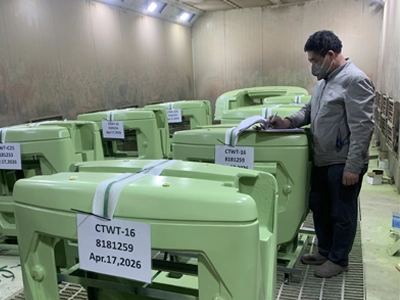
Precision casting helps form the basic structure. CNC machining then improves the accuracy of key surfaces and dimensions. Surface treatment improves cleanliness and prepares the part for use or coating. Multi-level inspection helps catch issues before the parts reach the customer.
Buyers should be cautious when a supplier only talks about low price and avoids discussing process control. Low-cost accessories may look acceptable when new, but field performance reveals the real quality. A slightly cheaper pump housing can become expensive if it causes leakage, vibration, repeated labor, or equipment shutdown.
For project-based procurement, consistency is just as important as individual quality. One good sample is not enough. The supplier must be able to keep quality stable across batches. This includes repeatable casting, controlled machining, reliable inspection, and clear communication when drawings need technical confirmation.
| Evaluation Point | Why It Matters | Buyer Checklist |
|---|---|---|
| Material Selection | Affects strength, wear resistance, vibration control, and service life. | Confirm gray cast iron, ductile iron, or other suitable options based on working conditions. |
| Casting Quality | Poor casting may create hidden defects, leakage risk, or reduced structural strength. | Ask whether the supplier controls porosity, shrinkage, wall thickness, and surface defects. |
| Machining Accuracy | Incorrect dimensions can cause difficult installation, misalignment, and sealing failure. | Review tolerance requirements for mounting, sealing, and connection areas. |
| Surface Treatment | Clean and properly treated surfaces help improve appearance and installation readiness. | Confirm shot blasting, cleaning, coating preparation, or other finishing requirements. |
| Customization Support | Many engineering pumps require drawing-based or sample-based production. | Provide drawings, samples, application details, and expected order volume early. |

In large engineering projects, a supplier is not just selling a component. The supplier is helping protect the project schedule. When pump accessories arrive late, fail inspection, or require rework, the delay can affect installation teams, equipment commissioning, and customer acceptance.
A capable supplier should understand both production and application. For Engineering Water Pump Accessories, this means the supplier should be familiar with casting requirements, machining accuracy, structural strength, surface treatment, and practical installation concerns. The ability to produce according to drawings or samples is also valuable for buyers who need replacement parts or customized components.
Zunhua Shengjian fanrong Machinery Parts Co., Ltd. can be positioned as a practical partner for buyers who value stable production, heavy-duty cast components, and responsive support. For procurement teams, the advantage is not only finding a part that fits. It is finding a supplier that understands why the part must keep fitting after months or years of operation.
Buyers should also consider communication speed. When technical questions arise, slow answers can delay decisions. A supplier that can discuss drawings, material choices, processing requirements, packing details, and delivery plans clearly will make the purchasing process easier and safer.
Engineering Water Pump Accessories are used to support, protect, connect, and stabilize key pump components. Common examples include pump frames, pump covers, pump housings, and other cast or machined parts used in industrial and engineering pump systems.
Yes, cast iron pump accessories can be suitable for many heavy-duty applications when the material, casting process, machining accuracy, and surface treatment match the working condition. Gray cast iron and ductile iron are often selected for strength, stability, machinability, and practical cost control.
In many cases, yes. Customization is important when buyers need replacement parts, non-standard pump components, or project-specific accessories. Drawings, samples, dimensions, material requirements, and application details help the supplier evaluate production feasibility more accurately.
Pump accessories affect alignment, sealing, vibration control, protection, and installation reliability. If these parts fail or do not fit properly, the pump may need to stop for repair, replacement, or adjustment. Better accessories can reduce repeated maintenance and improve operating continuity.
Buyers can reduce risk by confirming drawings, material requirements, machining tolerances, inspection methods, working conditions, and packaging details before production. For customized Engineering Water Pump Accessories, technical communication before ordering is often the best way to prevent costly mistakes later.
The performance of a water pump system depends on more than its core hydraulic design. Frames, covers, housings, and other supporting components quietly decide whether the pump can remain stable under pressure, vibration, load, and long working hours. When these parts are selected carefully, they help reduce leakage, installation trouble, maintenance frequency, and unexpected shutdowns.
For buyers who need dependable Engineering Water Pump Accessories, the smartest approach is to evaluate the complete picture: material, casting quality, machining accuracy, surface treatment, customization ability, inspection control, and supplier communication. A reliable accessory may not always be the cheapest line item, but it can help protect the much larger value of the pump system and the project behind it.
If you are looking for durable pump frames, pump covers, pump housings, or customized cast and machined parts for engineering water pump systems, Zunhua Shengjian fanrong Machinery Parts Co., Ltd. is ready to support your next project. Share your drawings, samples, working conditions, or procurement plan with our team today, and contact us to get a practical solution for your pump accessory needs.