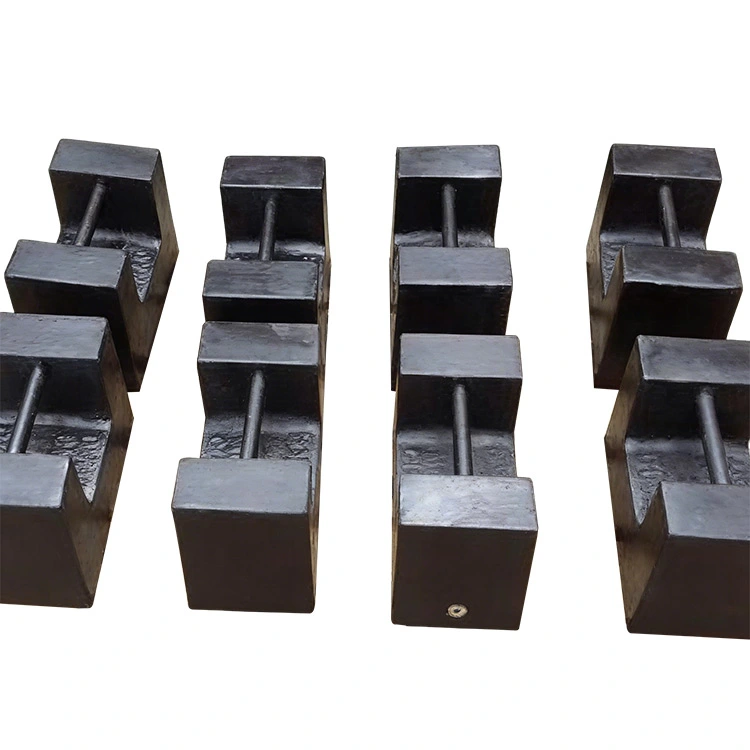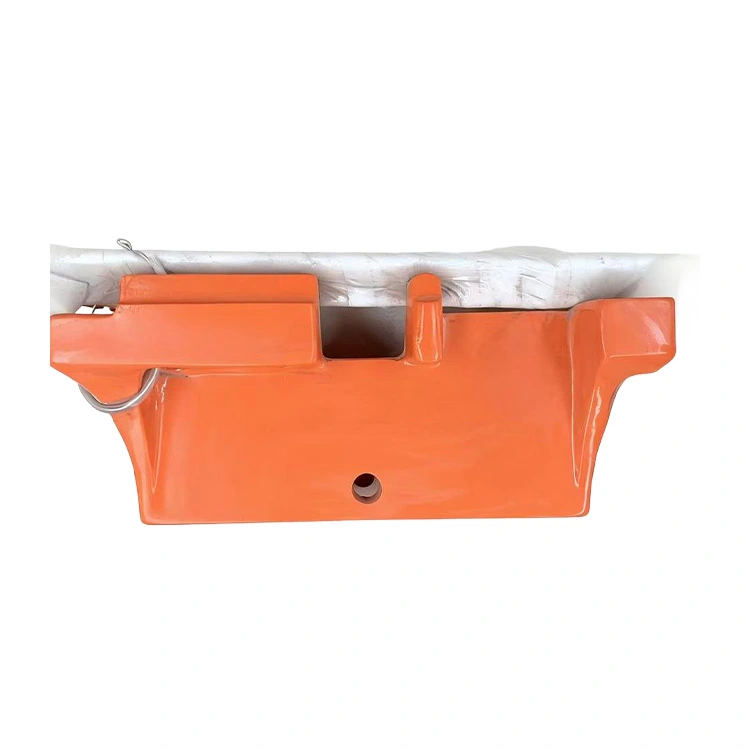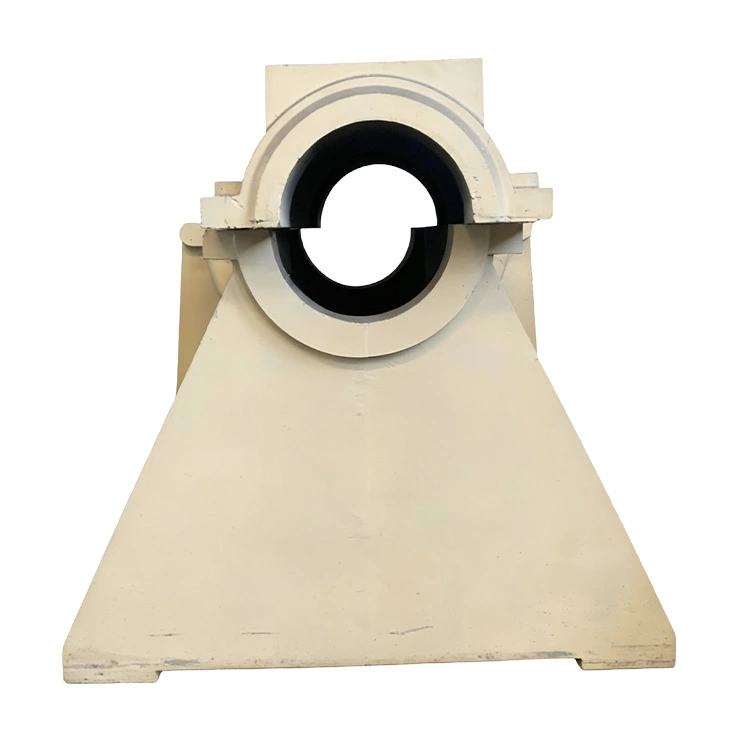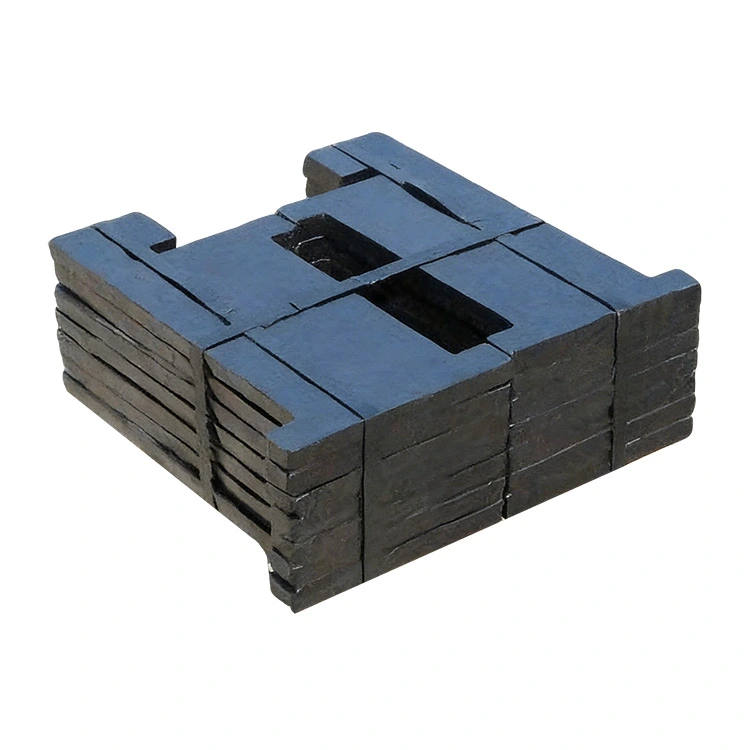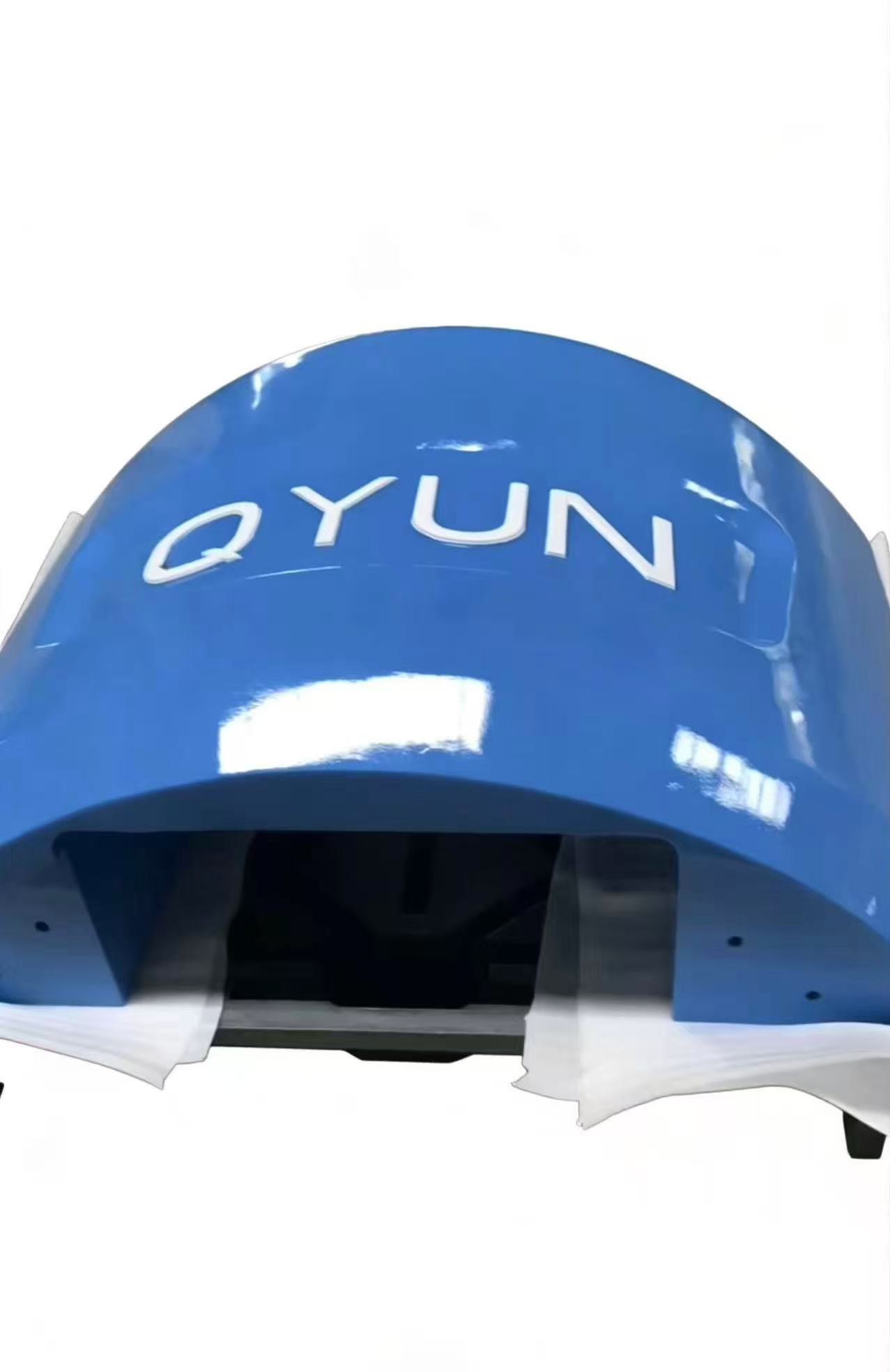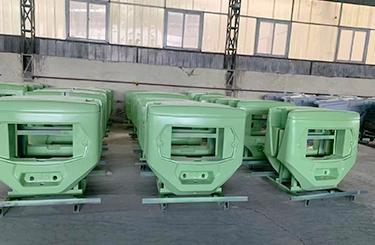

Fishing boat counterweights play a critical yet often underestimated role in ensuring vessel balance, operational safety, and long-term efficiency. From small coastal fishing boats to large commercial trawlers, properly designed fishing boat counterweights help control roll, trim, and load distribution under changing sea conditions. In this article, I will explain how fishing boat counterweights work, why they are essential for maritime safety, what materials and designs are most effective, and how customized solutions can significantly improve vessel performance.
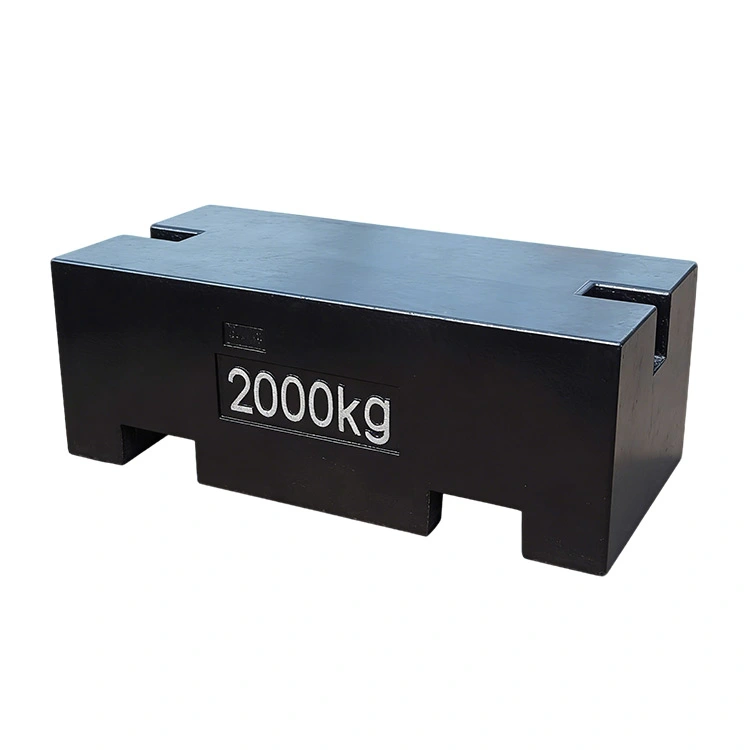
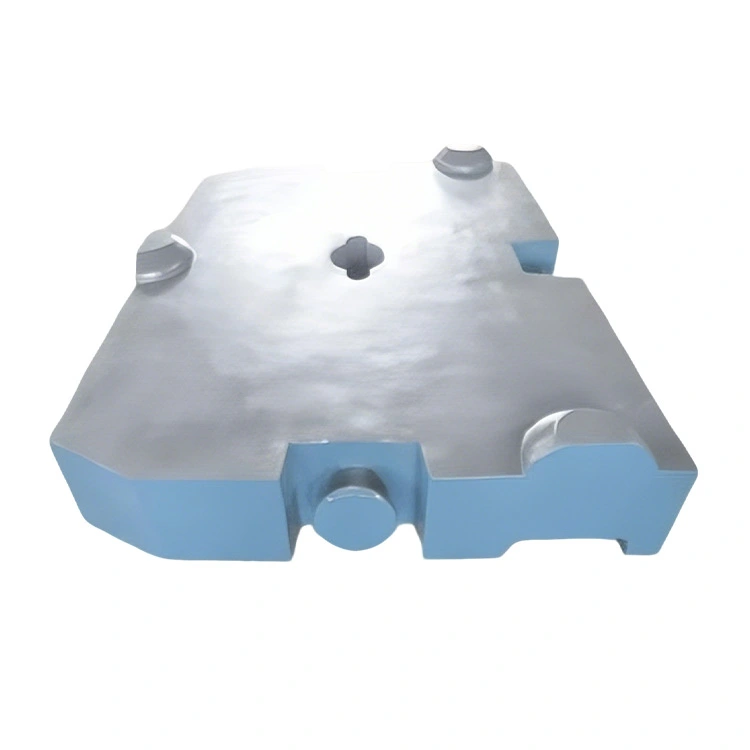
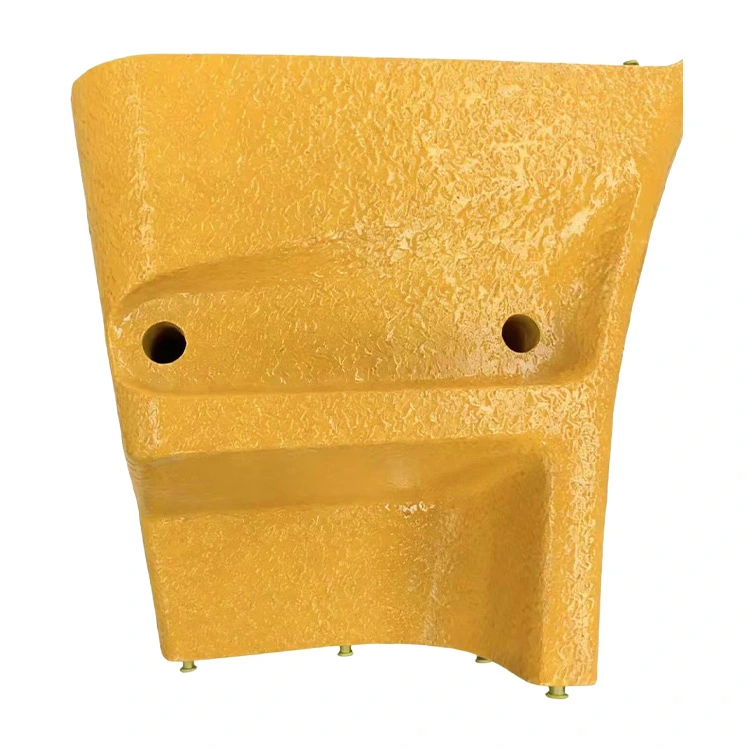
Fishing boat counterweights are precisely engineered masses installed on a vessel to balance uneven loads, compensate for equipment weight, and maintain optimal trim and stability. Unlike random ballast, fishing boat counterweights are designed with specific weight values, shapes, and mounting positions to address real operational challenges.
On fishing vessels, loads constantly change due to fuel consumption, catch accumulation, equipment movement, and sea conditions. Fishing boat counterweights help counteract these variations, reducing excessive rolling, listing, or bow/stern imbalance.
For a detailed technical reference, you can also explore fishing boat counterweights specifications from professional manufacturers.
Stability is not just about comfort—it is a fundamental safety requirement. Fishing boat counterweights directly influence the vessel’s center of gravity and metacentric height, two core parameters in marine stability calculations.
Without properly designed fishing boat counterweights, vessels face higher risks of capsizing, structural fatigue, and regulatory non-compliance.
Fishing boat counterweights work by offsetting asymmetric forces acting on the hull. For example, when heavy fishing gear is installed on one side, a counterweight on the opposite side restores balance.
In dynamic environments, such as during net retrieval or sudden wave impact, counterweights dampen motion and reduce angular acceleration, helping the vessel recover faster.
| Material | Advantages | Typical Applications |
|---|---|---|
| Cast Iron | High density, cost-effective, durable | General fishing boat counterweights |
| Steel | Strong, customizable shapes | Large commercial fishing vessels |
| Concrete | Low cost, corrosion resistant | Fixed ballast in small boats |
| Composite Materials | Corrosion resistance, tailored density | Specialized marine applications |
Every fishing vessel is unique. Hull geometry, engine layout, fishing methods, and regulatory requirements all influence counterweight design. Custom fishing boat counterweights ensure precise weight distribution, better safety margins, and compliance with maritime standards.
Shengjian Fanrong specializes in custom-engineered fishing boat counterweights, working closely with clients to match real-world operating conditions.
Properly designed fishing boat counterweights reduce hydrodynamic resistance by maintaining optimal trim. This leads to lower fuel consumption, smoother navigation, and reduced engine stress, ultimately extending the vessel’s operational lifespan.
A reliable supplier should offer engineering support, material traceability, quality control, and proven marine experience. Shengjian Fanrong stands out by combining manufacturing expertise with practical marine engineering knowledge, ensuring each fishing boat counterweight delivers long-term value.
While not always legally mandatory, fishing boat counterweights are often required to meet stability and safety standards.
Yes. Retrofitting fishing boat counterweights is common and highly recommended after equipment upgrades.
With proper materials and coatings, fishing boat counterweights can last the entire lifespan of the vessel.
Fishing boat counterweights are a fundamental investment in safety, efficiency, and long-term vessel performance. By choosing the right materials, designs, and suppliers, boat owners can significantly reduce operational risks while improving overall stability.
If you are looking for professionally engineered fishing boat counterweights tailored to your vessel, Shengjian Fanrong is ready to support your project. Contact us today to discuss your requirements and discover how the right counterweight solution can transform your fishing operations.