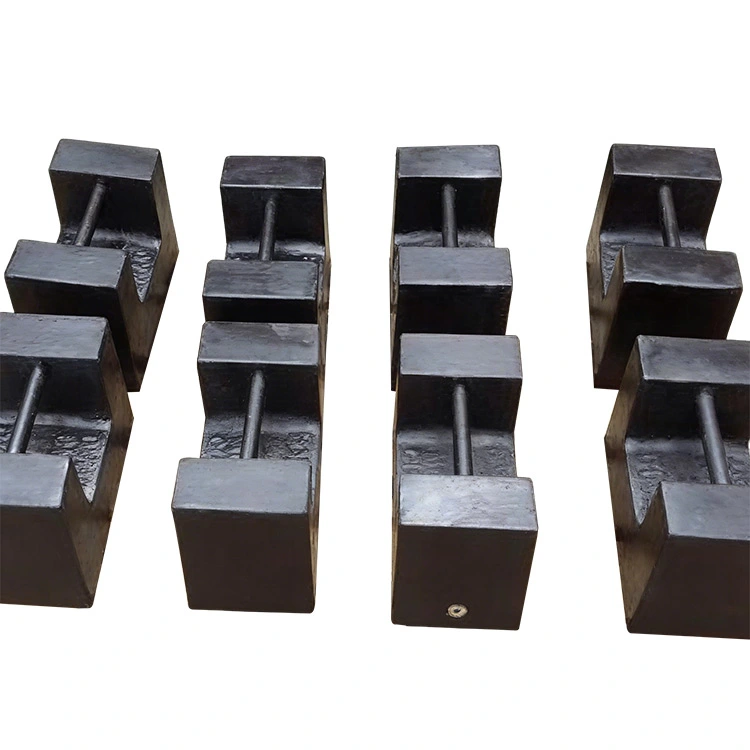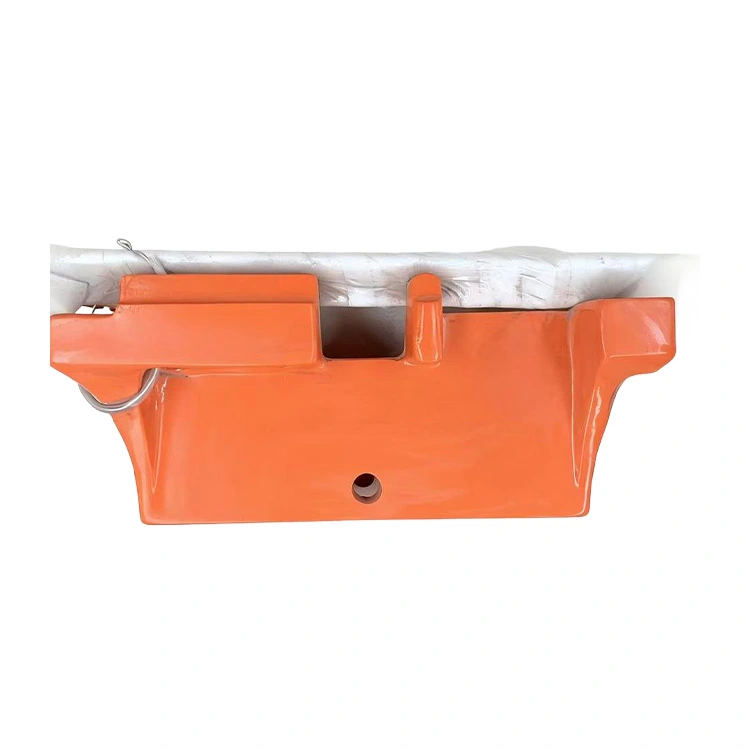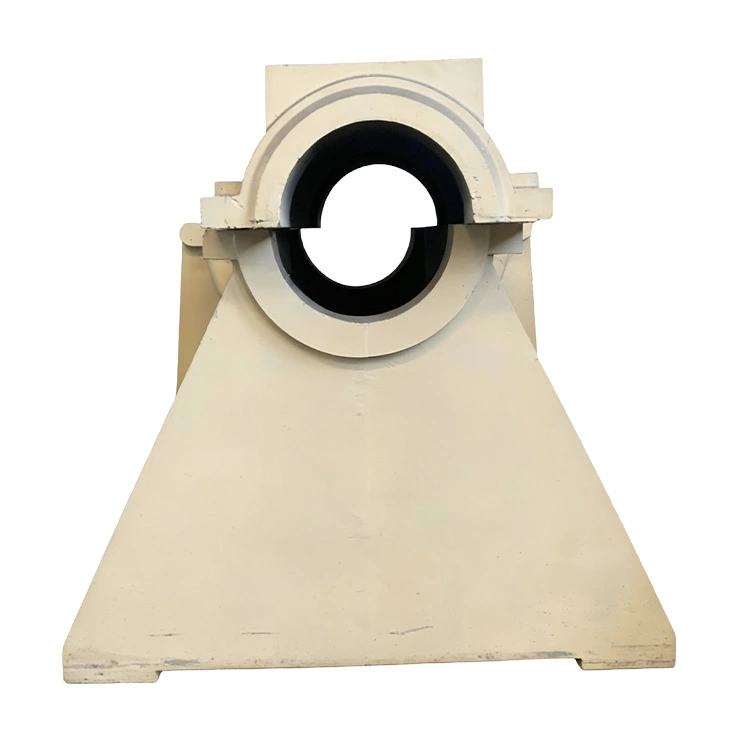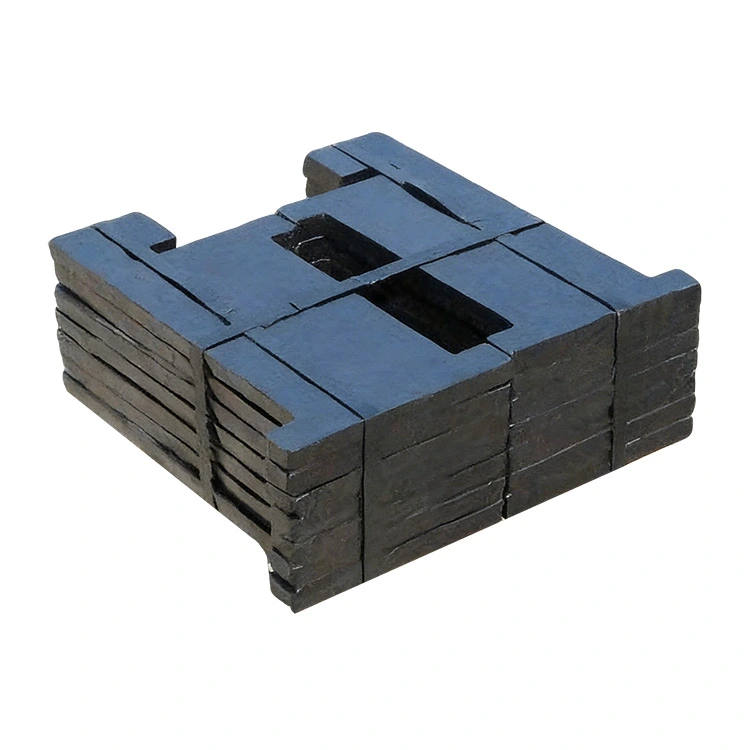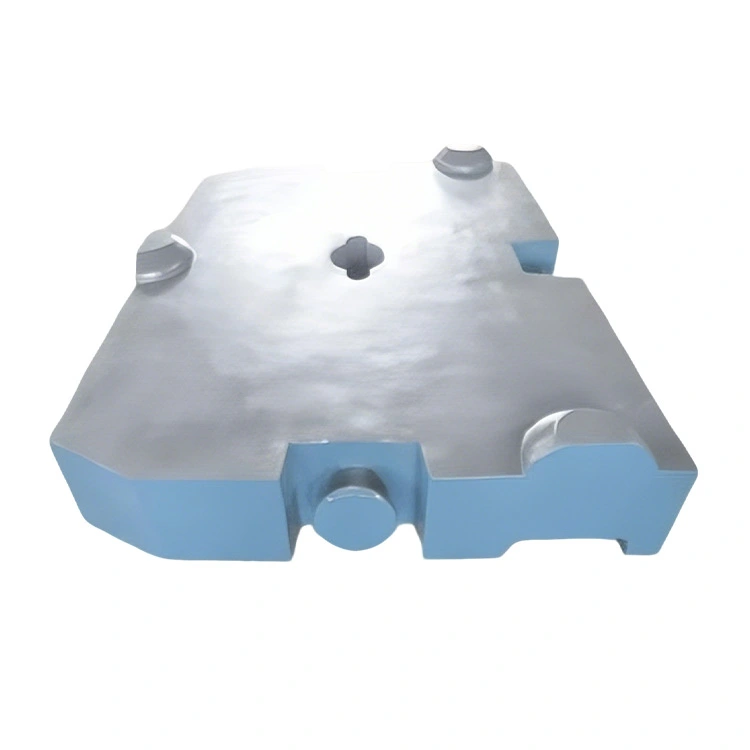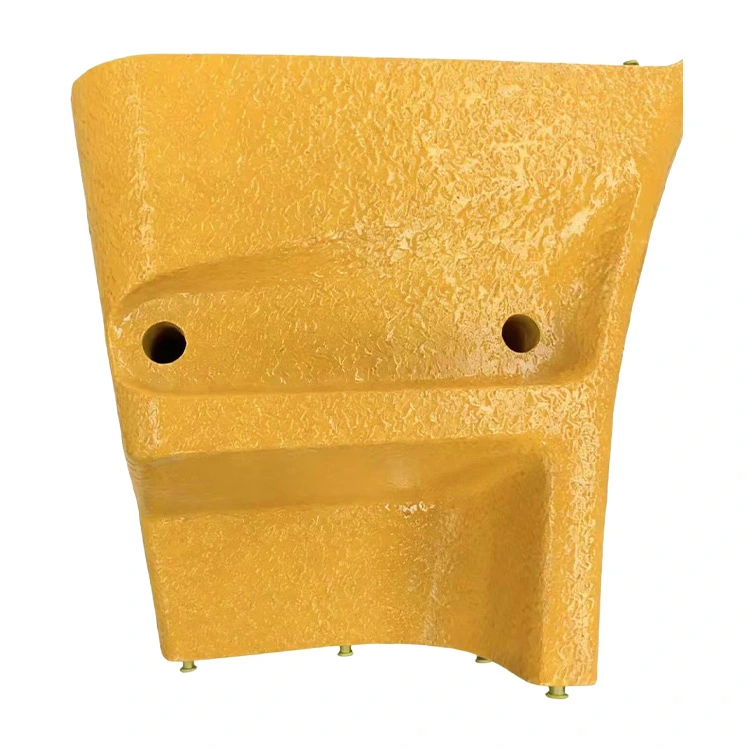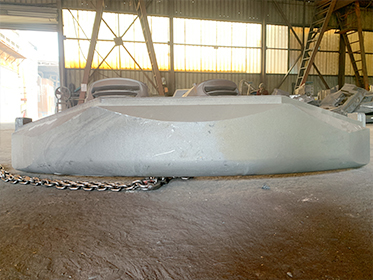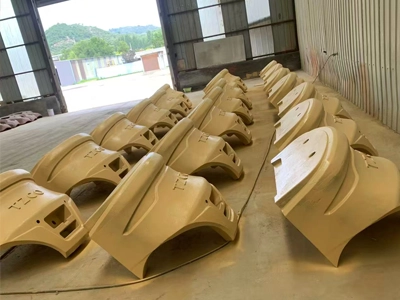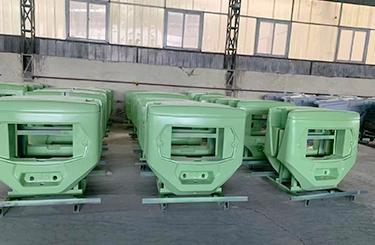

When buyers look for Marine Ballast Weights, they are usually not looking for a simple heavy metal part. They are looking for control, stability, safer movement at sea, better load distribution, and fewer surprises during operation. A poorly matched ballast solution can affect vessel balance, increase roll, waste usable space, complicate installation, and create long-term maintenance headaches. That is exactly why this topic deserves a more practical discussion.
In this article, I will walk through the real concerns behind ballast selection, from material choice and custom design to durability, installation logic, and procurement evaluation. I will also explain how Zunhua ShengjianFanrong Machinery Accessories Co., Ltd. approaches the manufacturing side of this product category in a way that matches what serious buyers actually care about: fit, density, consistency, and dependable supply.
This article explains why Marine Ballast Weights matter in vessel performance, where buyers often run into trouble, and what factors should be checked before placing an order. It covers application scenarios, common procurement pain points, material options, design priorities, manufacturing quality, maintenance expectations, and a practical buying checklist. If you need a ballast solution that improves vessel balance without creating avoidable installation or service problems, this guide is built for you.
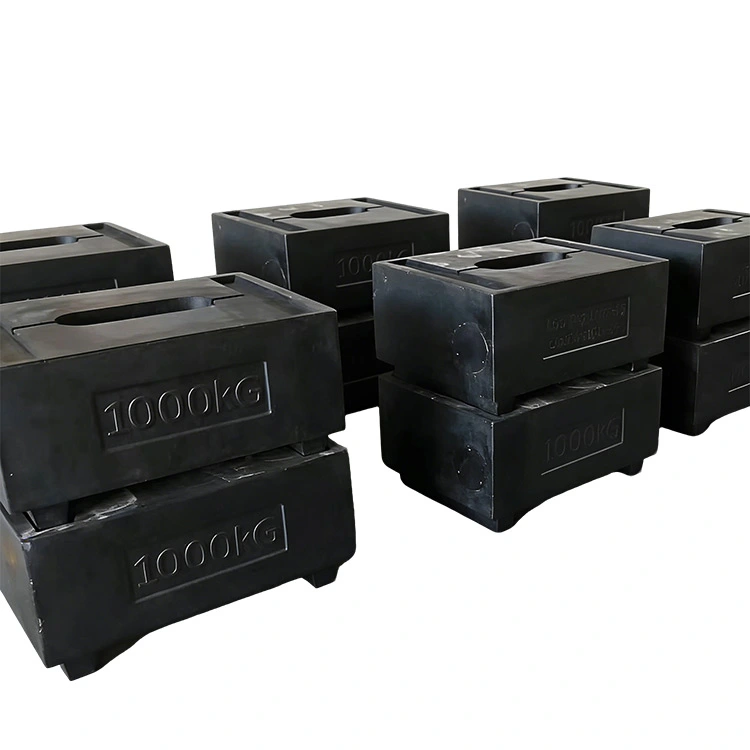
Marine Ballast Weights play a straightforward but critical role: they help manage balance and improve stability by adjusting weight distribution inside the vessel or related equipment structure. That sounds simple on paper, but in real marine use, the effect reaches much further. A properly designed ballast system can help reduce excessive roll, support steadier handling, improve working confidence for operators, and contribute to safer onboard conditions during changing loads or rougher water.
For buyers, the biggest issue is that ballast is often underestimated until something goes wrong. A vessel may feel unstable during operation, installation may take longer than expected because the product does not match the intended mounting area, or maintenance teams may discover that corrosion or dimensional inconsistencies are already creating downstream problems. In other words, ballast is rarely the headline feature of a vessel project, but it often becomes one of the hidden factors that decide whether the vessel feels dependable in daily use.
That is why experienced buyers usually focus on questions like these: Does the weight match the actual load condition? Can it fit within limited installation space? Is the material durable enough for a marine environment? Can the manufacturer customize according to drawings instead of forcing a standard shape that does not truly fit the application?
Most sourcing frustrations around ballast products are surprisingly consistent. The issue is not that buyers do not know they need weight; it is that they need the right weight in the right form, from a supplier that understands marine use instead of treating every heavy casting as the same product.
These pain points matter because ballast products are not decorative components. Once installed, they become part of the vessel’s operational logic. Rework is inconvenient, transportation is expensive, and replacement is not something buyers want to repeat because of avoidable supplier-side mistakes.
Practical takeaway: the cheapest quote is often not the lowest real cost. If the ballast unit needs redesign, re-machining, replacement, or corrective installation work, the apparent saving disappears quickly.
The demand for Marine Ballast Weights extends across more than one vessel category. Different operating conditions create different requirements for size, shape, and structural integration, but the goal remains the same: improve balance, maintain stability, and support safer performance.
| Application Scenario | Why Ballast Matters | What Buyers Usually Need |
|---|---|---|
| Passenger vessels | Helps maintain steadier movement and improves overall balance under changing occupancy or service conditions | Reliable weight distribution, durable finish, dimensional consistency |
| Cargo vessels | Supports stable handling when load conditions shift during operation | Custom dimensions, high density, dependable batch repeatability |
| Fishing vessels | Assists with balance while equipment and operational loads vary at sea | Compact installation logic, corrosion resistance, practical durability |
| Engineering or offshore support vessels | Improves structural balance where onboard equipment creates uneven force or weight distribution | Drawing-based production, technical communication, stable material quality |
| Crane and special-purpose marine equipment | Enhances stability and operational accuracy during demanding work | Precise manufacturing, strong material performance, tailored geometry |
What I like buyers to keep in mind is this: the application decides the design logic. A ballast unit for a passenger vessel is not judged the same way as one used in a working marine engineering setup. Space limits, mounting points, maintenance access, and exposure conditions all shape the best solution.
When buyers compare options, material and structure deserve more attention than marketing language. In many cases, ballast products are produced in cast iron or ductile iron because these materials offer the density and structural reliability needed for heavy-duty balancing functions. But material alone is not enough. The real value comes from how the material choice matches the design and how accurately that design is manufactured.
The most useful checkpoints usually include the following:
Custom manufacturing is particularly important here. Standardized products can be useful in some industrial categories, but many marine projects need drawing-based production because the ballast must fit a very specific structural location. That is why buyers tend to prefer suppliers that can discuss customization early, instead of pushing a generic shape that only partly solves the problem.
| Decision Factor | Why It Matters | Buyer Question to Ask |
|---|---|---|
| Material type | Affects density, strength, durability, and manufacturing suitability | Which material is best for my vessel environment and load condition? |
| Custom drawings | Ensures the ballast fits the available installation space correctly | Can you manufacture exactly according to drawings or samples? |
| Quality inspection | Reduces the risk of dimensional or weight inconsistencies | How do you verify dimensions, finish, and final weight? |
| Batch stability | Matters for repeat orders and large projects | How do you control consistency across multiple production runs? |
| Delivery coordination | Heavy products create real logistics pressure | How do you plan packing, handling, and delivery for export orders? |
If I were advising a buyer before placing an order, I would not start with price. I would start with fit-for-purpose verification. The right ballast product is the one that matches the vessel’s structural reality, not the one that looks cheapest on an inquiry sheet.
Here is a practical selection process buyers can follow:
This is also where experience becomes visible. A capable manufacturer usually understands that Marine Ballast Weights are tied to operational trust. Buyers do not just need a casting; they need a reliable balancing component that can be produced, delivered, and repeated without turning every order into a new risk.
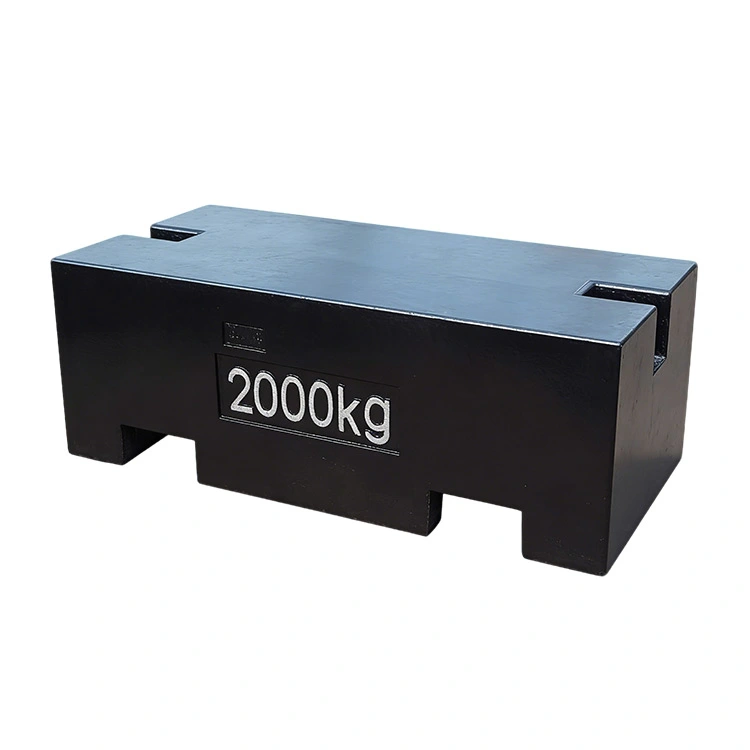
Because the product itself is only half the story. The other half is whether the manufacturer can turn design requirements into a finished product with control, consistency, and practical support. That is why supplier capability matters so much in this category.
Zunhua ShengjianFanrong Machinery Accessories Co., Ltd. is part of the conversation here because buyers in this field often need a manufacturer that focuses on heavy counterweight and ballast-related production rather than treating it as an occasional side product. When a supplier works with marine and equipment balancing products regularly, the discussion becomes more grounded. The buyer can move faster from concept to drawing review, from material discussion to production planning, and from inquiry to a more realistic quote.
For serious procurement teams, these are the signs of a supplier worth considering:
That difference is not small. It affects lead time, fit accuracy, installation confidence, and the buyer’s ability to avoid the kind of problems that only appear after the shipment has already arrived.
What are Marine Ballast Weights mainly used for?
They are used to help manage balance, improve stability, and support safer operation in marine vessels and related offshore or working equipment.
Can ballast weights be customized according to drawings?
Yes. In many marine projects, customization is essential because installation space, structural layout, and balancing requirements are rarely identical from one application to another.
Why is material choice important?
Material affects density, durability, production quality, and long-term service behavior. Buyers often look for solutions that combine high density with reliable structural performance.
How can I tell whether a supplier is suitable?
Look at how they respond to your drawings, whether they discuss application details seriously, and whether they can explain inspection, customization, and batch consistency clearly.
Is a lower price always better for ballast procurement?
No. A lower initial quote may become more expensive if the product causes fitting problems, rework, inconsistent weight results, or avoidable installation delays.
If you are sourcing Marine Ballast Weights, the smart move is to treat the purchase as a performance decision, not just a commodity purchase. The right ballast solution should match your vessel, your layout, your installation method, and your operating demands. When those details are handled well, you gain more than weight. You gain steadier performance, smoother integration, and fewer costly corrections later.
If you already have drawings, dimensions, or a project concept in hand, this is the best stage to discuss feasibility and customization details with a qualified manufacturer. A clear early conversation can save a surprising amount of time, cost, and frustration later in the project.
Need a dependable custom solution for your vessel project?
Talk with Zunhua ShengjianFanrong Machinery Accessories Co., Ltd. about your ballast requirements, drawings, or application goals. Whether you are planning for passenger vessels, cargo operations, fishing boats, or marine engineering equipment, the right support starts with a practical discussion. Contact us today to explore a solution built around your actual needs.
Contact Us