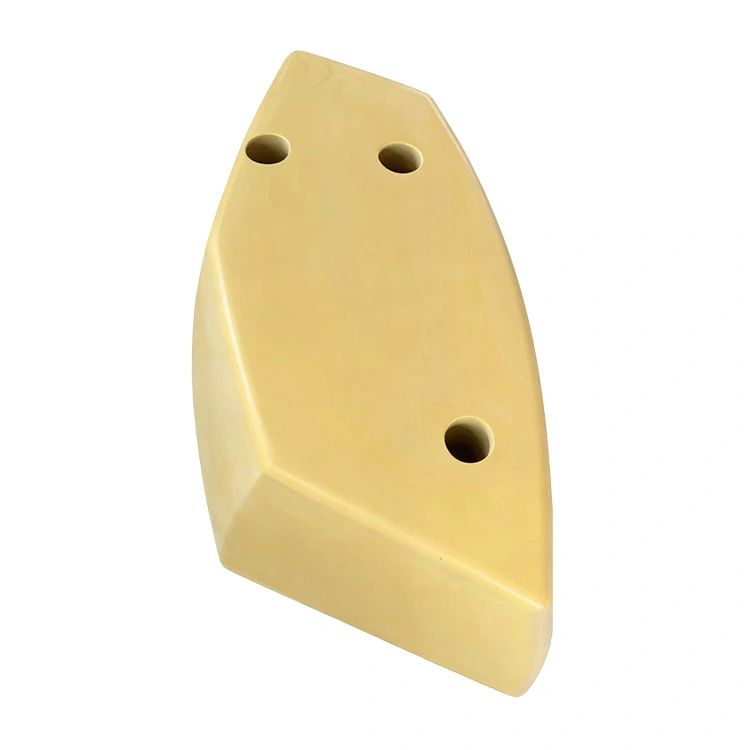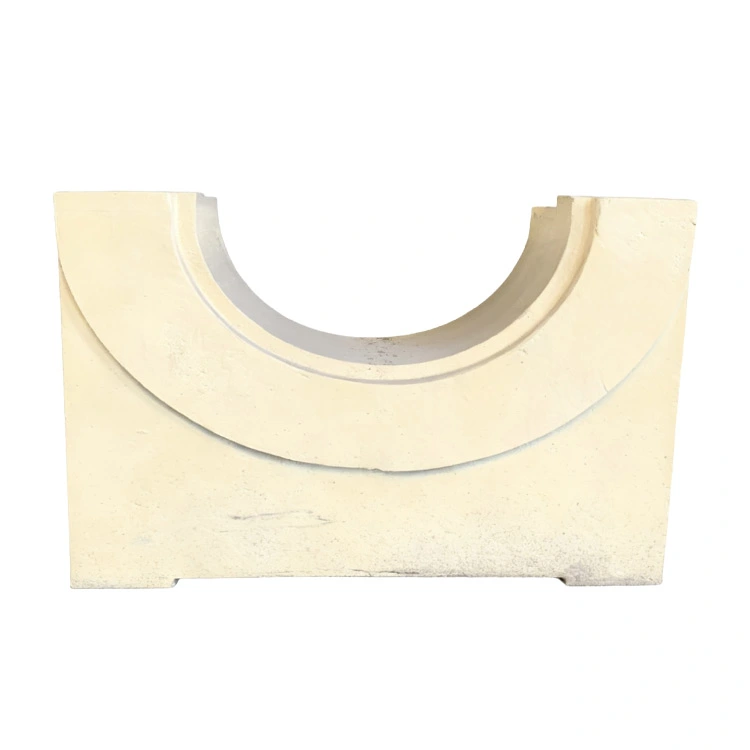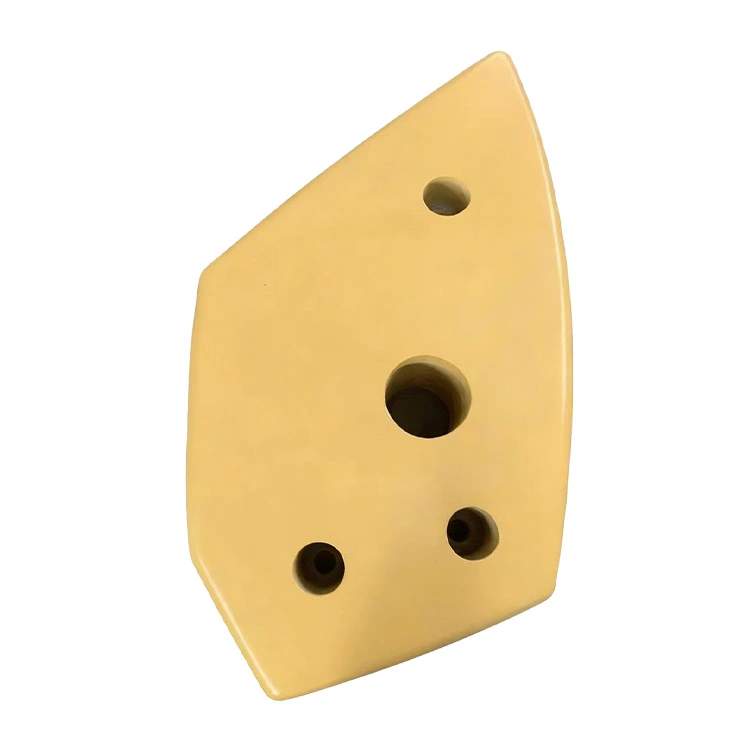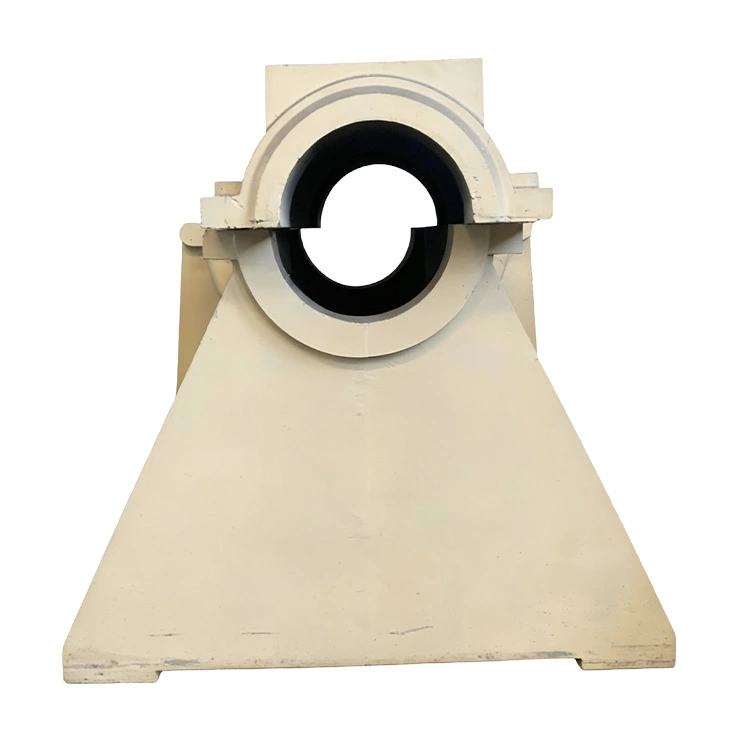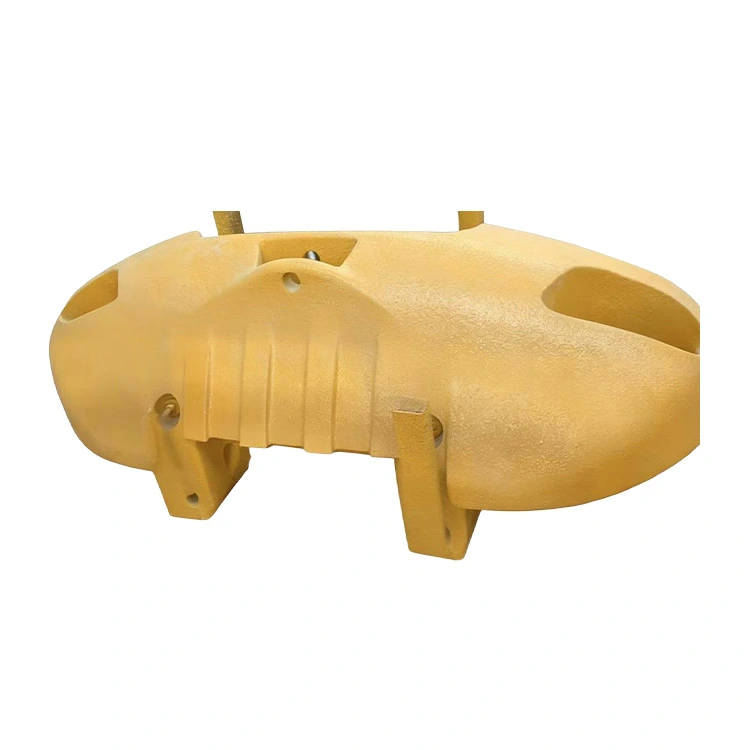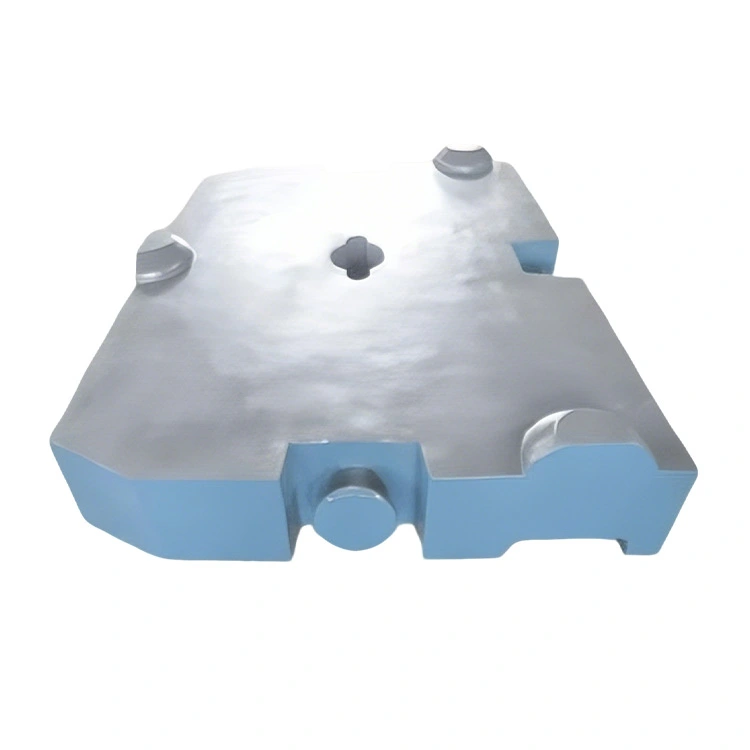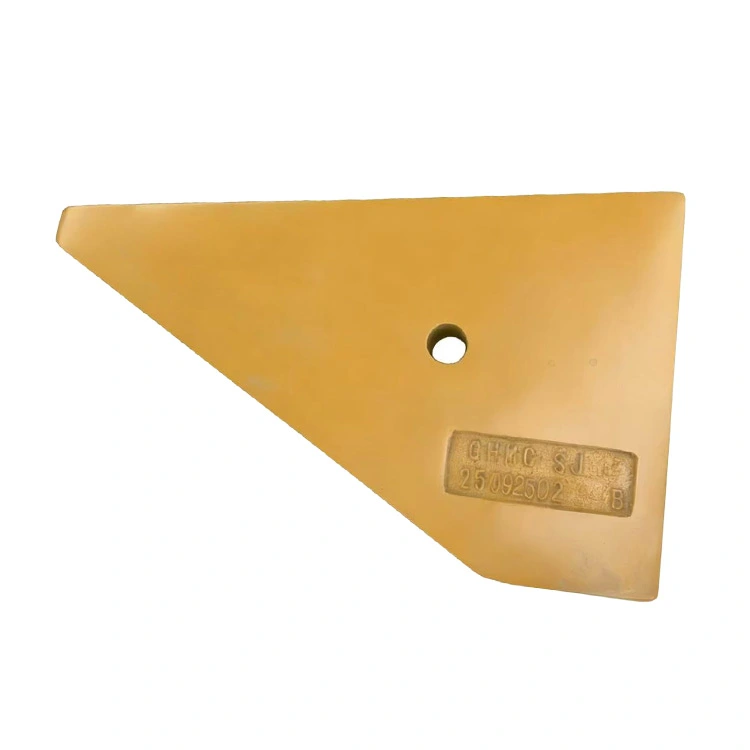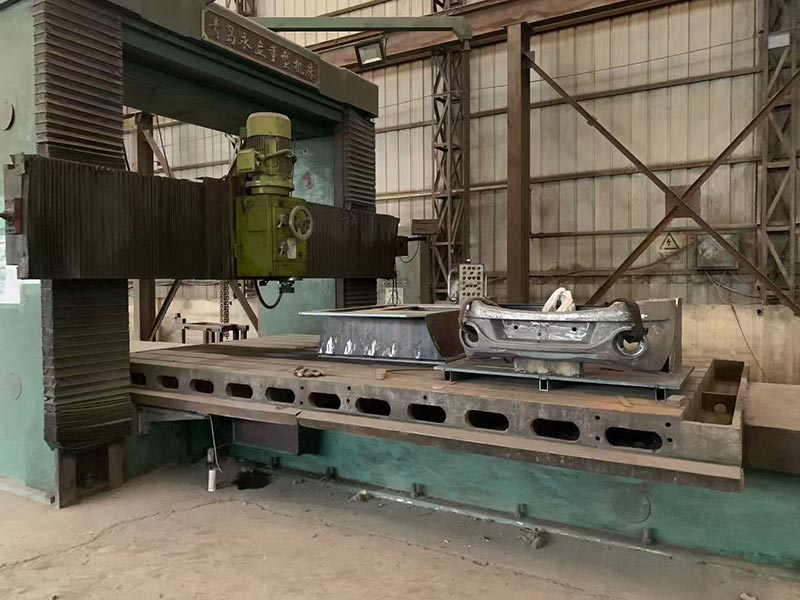

Zunhua Shengjian Fanrong Co., Ltd. wishes to emphasize a critical point: in the field of construction machinery, the counterweight (or balance weight) serves as a core component, playing a vital role in ensuring equipment stability and mitigating safety risks. The scientific rigor applied to its selection process directly impacts the equipment's safety performance, service life, and operational efficiency. Improper selection can easily lead to equipment rollovers or structural damage to the frame; in light of this, we have compiled a practical selection guide for the reference of industry professionals.
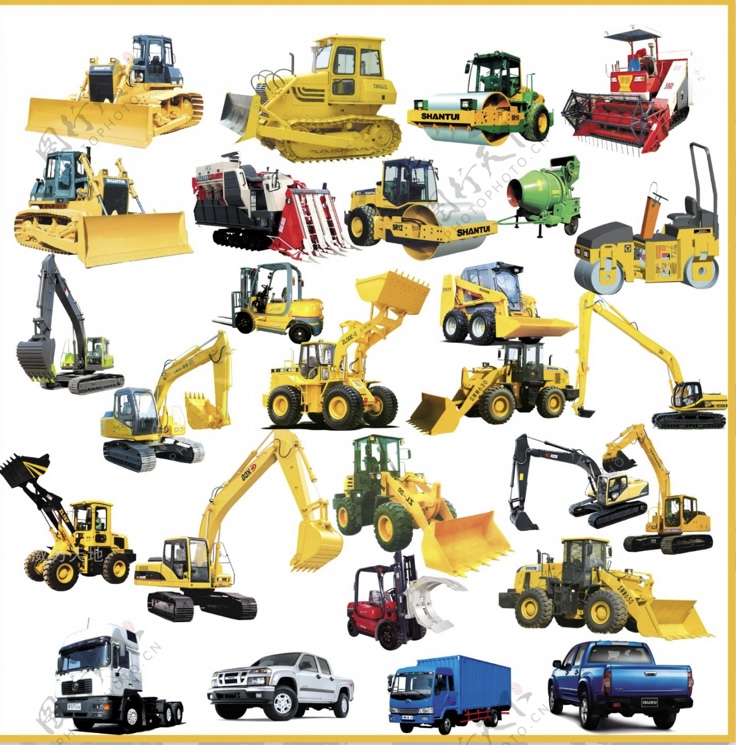
The primary prerequisite for selection is clearly defining the specific application scenario for the equipment. Different types of industrial machinery have significantly different counterweight requirements, necessitating a tailored approach to matching. Applicable equipment includes forklifts, cranes, excavators, loaders, aerial work platforms, and specialized engineering machinery. The core principle is this: the counterweight must precisely match the designated mounting position, the specific equipment model, and the rated load capacity; failure to do so will compromise both equipment stability and operational safety.
Once these prerequisites have been clearly established, the following guidelines can be applied to ensure a rational and appropriate selection:
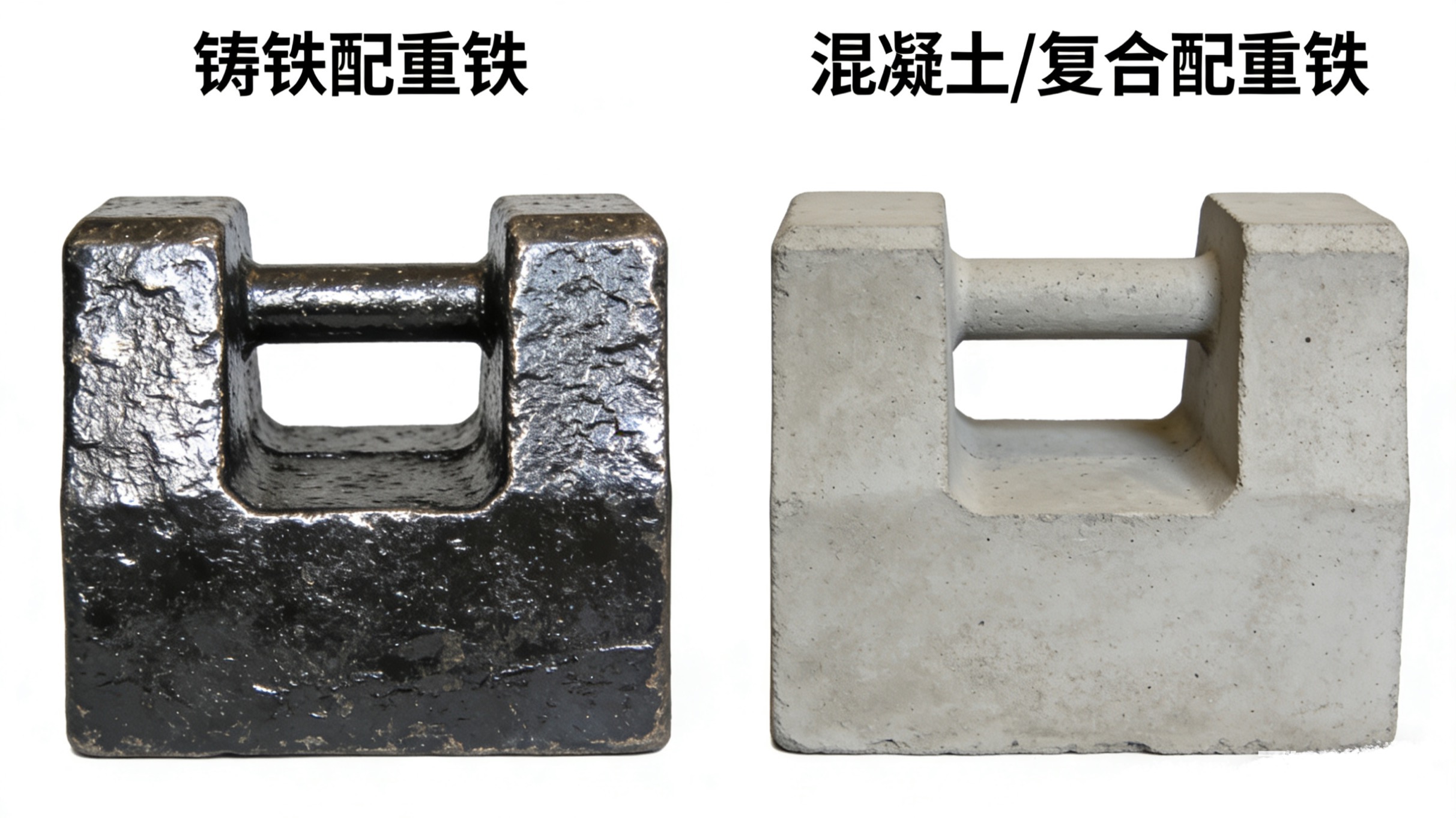
**Material Selection—Balancing Equipment Type and Cost:** Concrete or composite counterweights are low-cost options suitable for light-duty equipment, though they generally offer lower durability. Cast iron counterweights, conversely, feature high density, compact volume, and excellent resistance to wear and corrosion; offering superior compatibility, they remain the mainstream choice within the industry.
**Weight Selection—Precision is Paramount:** A counterweight that is too heavy can lead to increased fuel consumption and structural damage to the vehicle frame; conversely, one that is too light results in operational instability and a heightened risk of equipment rollover. Therefore, the precise weight must be calculated based on the equipment's specific rated load capacity.
**Structure and Installation—Balancing Compatibility with Practicality:** The mounting hole positions and overall dimensions of the counterweight must align perfectly with the equipment. Furthermore, the structural integrity must meet established standards to prevent cracking or deformation, while the design should facilitate ease of installation, removal, and maintenance.
**Safety and Certification—The Non-Negotiable Baseline:** High-quality counterweights must feature smooth surfaces free of pores or cracks, and possess a stable center of gravity to prevent unbalanced loading. Priority should always be given to products that have obtained relevant quality certifications and are accompanied by comprehensive inspection reports.
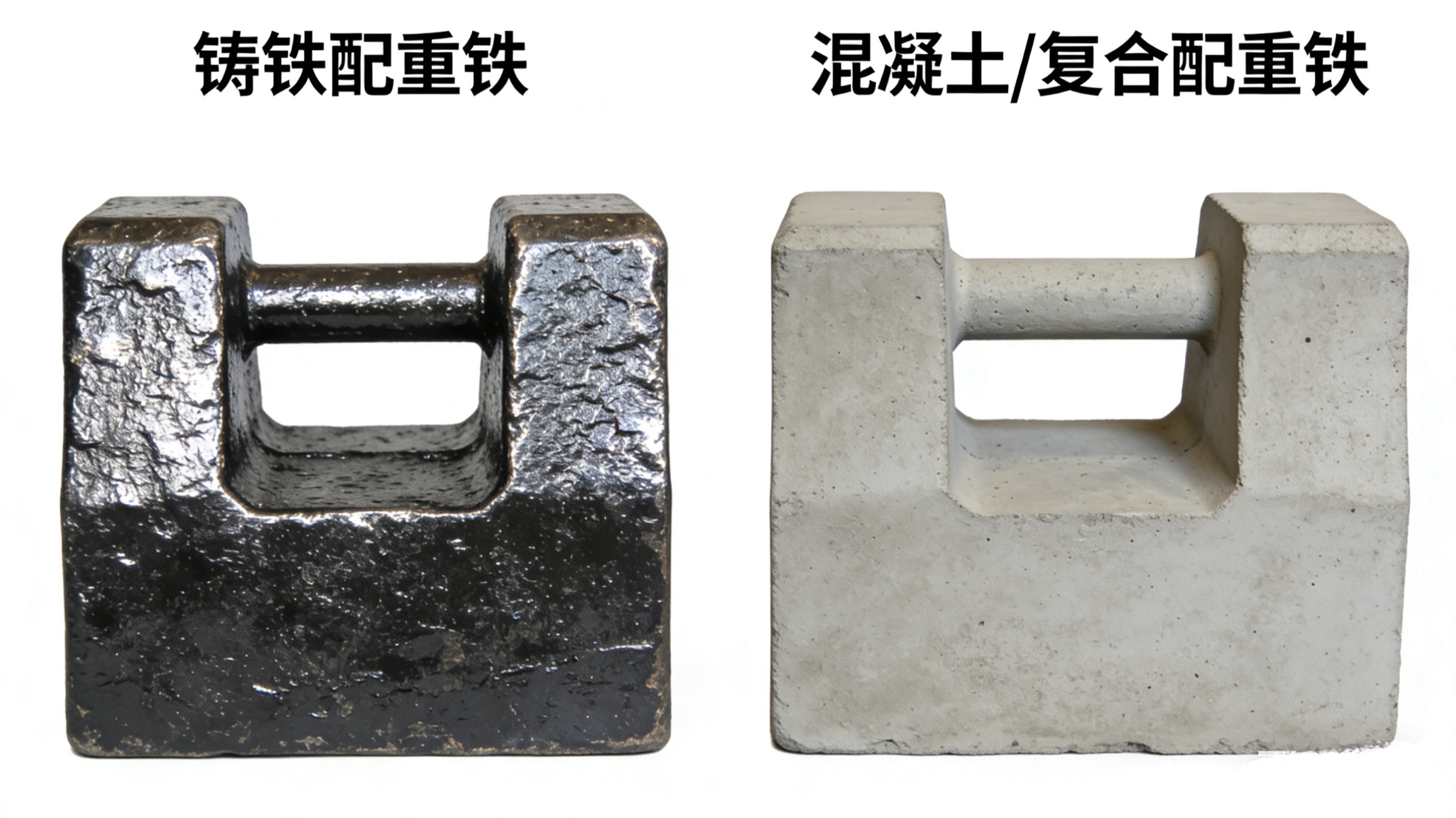
**Summary of Core Selection Principles:** 1. Determine the specific equipment type and the required counterweight weight; 2. Prioritize cast iron as the material of choice; 3. Verify and confirm the equipment's specific installation dimensions; 4. Select a reputable manufacturer to ensure both product quality and timely delivery.
Scientific selection is the key to ensuring construction safety and enhancing operational efficiency. Moving forward, counterweight products will continue to undergo optimization to better adapt to complex working conditions, thereby supporting the industry in upholding standardized safety practices and achieving high-quality development.