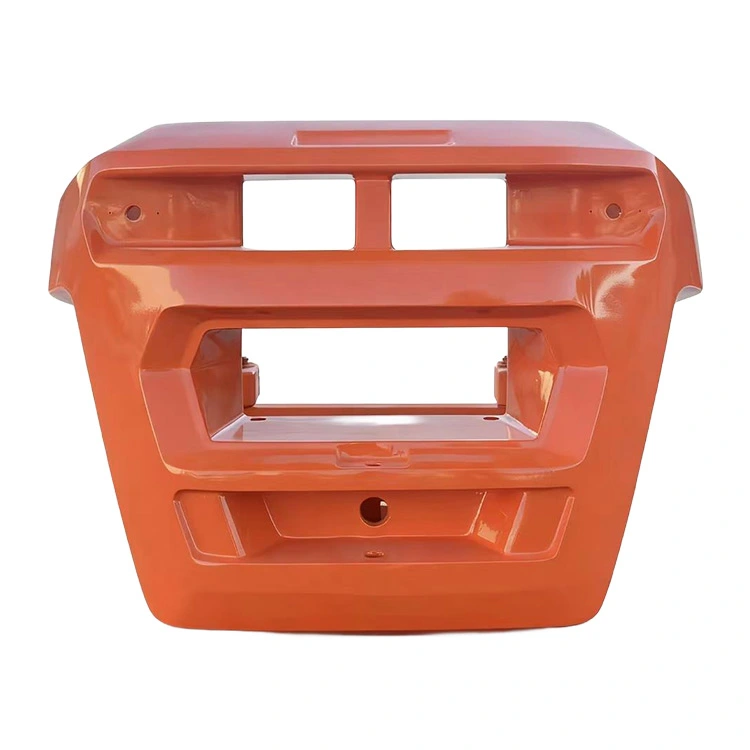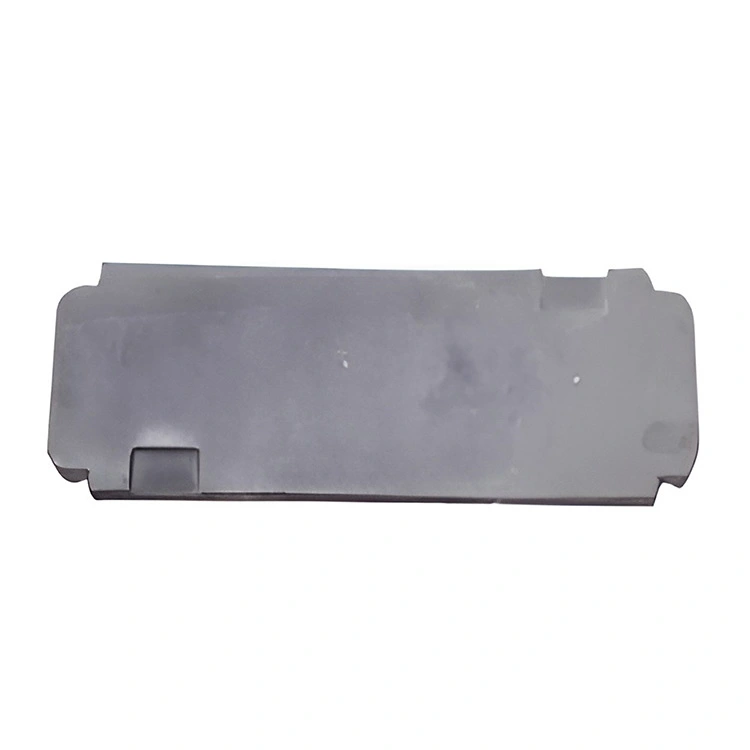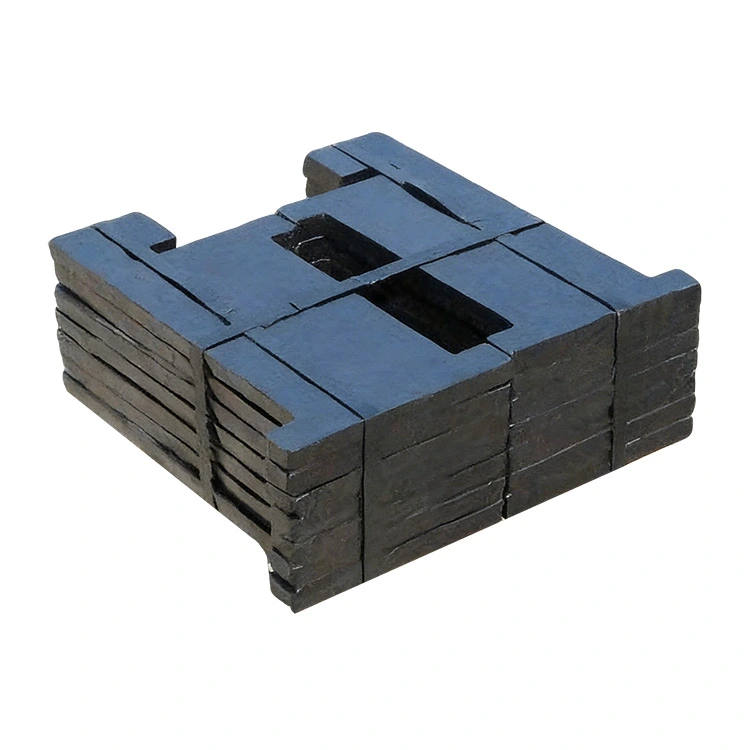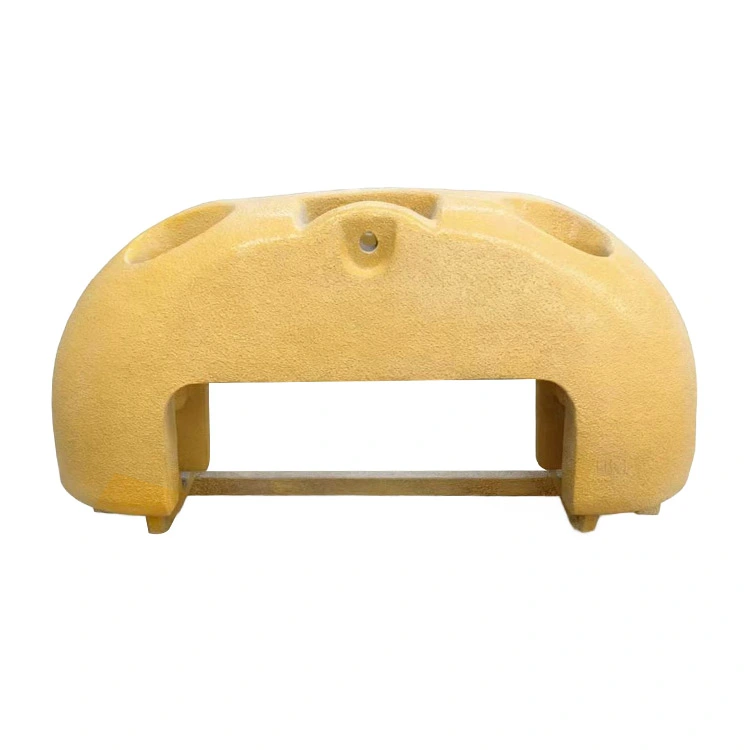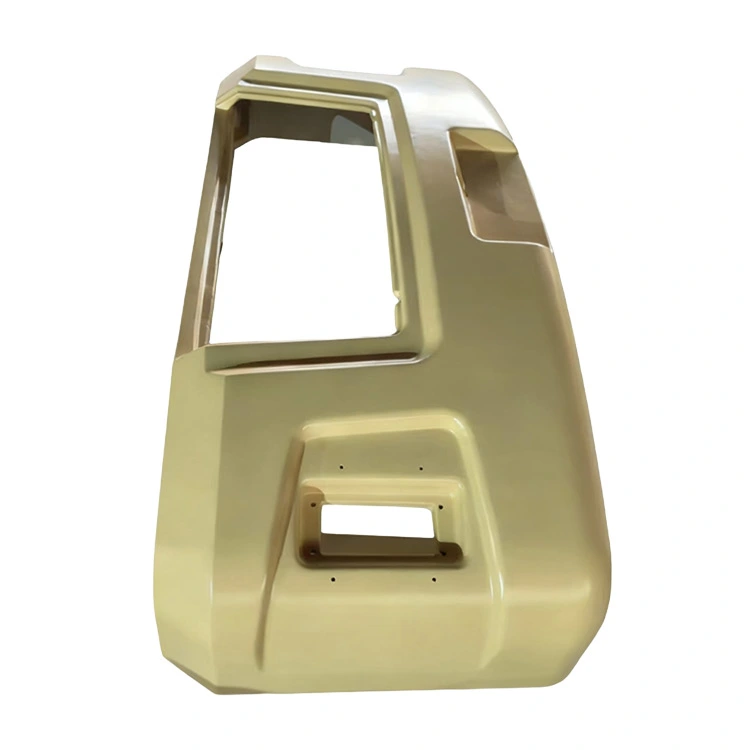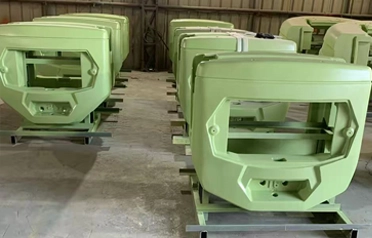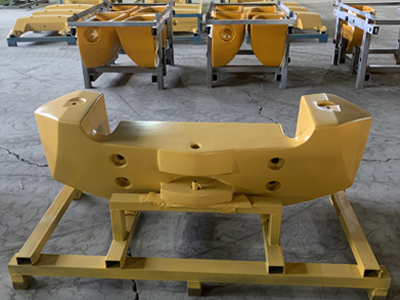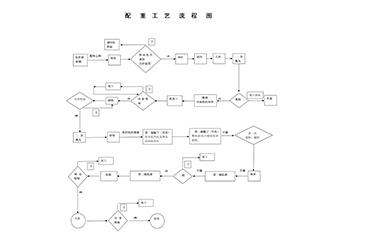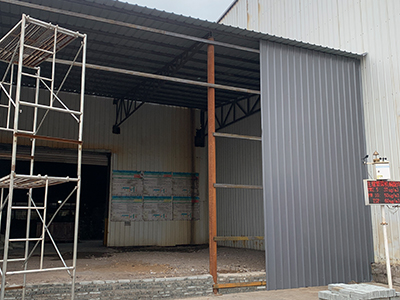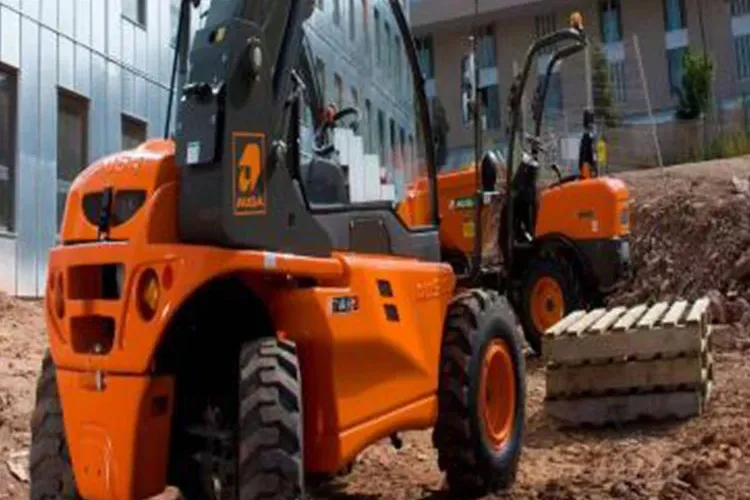

How does standardized, end-to-end process control ensure the quality of cast iron counterweights supplied to overseas markets? Cast iron counterweights are critical castings that maintain operational balance in construction machinery, lifting equipment, and elevator systems; product consistency, surface integrity, and corrosion resistance are key criteria for overseas buyers when selecting manufacturing partners. Zunhua Shengjian Fanrong Machinery Parts Co., Ltd. strictly adheres to established production processes for counterweights, implementing multi-stage quality inspections at every step—from raw material melting to the shipment of finished goods—and utilizing closed-loop process control to ensure consistent quality that fully meets the diverse requirements of overseas orders. The entire production process comprises four major stages:
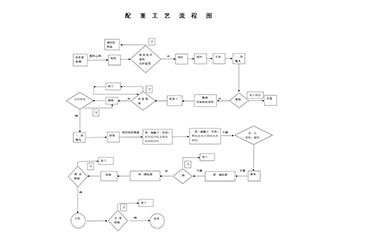
Production utilizes pig iron and scrap steel as base raw materials; these are proportioned, loaded, and fed into a melting furnace. Following the melting process, personnel verify two key parameters: the chemical composition of the molten iron and the tapping temperature. If the parameters fail to meet process standards, adjustments to the material composition or temperature are made, and the material is returned to the melting stage for reprocessing; casting operations proceed only after all indicators are verified as compliant.
The cast components undergo controlled cooling within the designated area, gradually solidifying into rough castings, which then undergo an initial shot-blasting process.
After the initial shot-blasting, the castings enter the preliminary inspection stage: components with major defects are scrapped immediately, while those without major defects undergo rough finishing and remedial welding for any defects before proceeding to the machining stage.
Following the completion of cutting and grinding operations to meet dimensional specifications, workpieces undergo "hanging" inspection:
Workpieces that fail this inspection are sent to a finishing station for rework, after which they are routed back for re-inspection; workpieces that pass proceed directly to the blank inspection stage.
During blank inspection, workpieces failing to meet standards are returned for corrective finishing; those that pass all inspections undergo a secondary shot-blasting process before proceeding to the coating section.
At the start of the coating process, the entire raw surface is first cleaned of debris and dust. Next, a first coat of high-viscosity putty is applied to fill in depressions and obvious defects. This is followed by a second coat of lower-viscosity putty, applied across the entire surface to further smooth the workpiece and address any remaining minor imperfections. Once both putty applications are complete and fully dried, an initial inspection—involving both visual and tactile checks—is conducted.
Any defects identified during this inspection are repaired individually and allowed to dry. Subsequently, the first coat of primer is applied; once the primer has thoroughly dried, the workpiece undergoes a second inspection. Workpieces that fail this inspection are sent back for rework, while those that pass receive a second coat of primer. After the primer dries, the topcoat is sprayed on to complete the anti-corrosion protective layer.
Upon completion of the topcoat application, finished product inspections are conducted; workpieces failing to meet specifications are returned to the coating stage for rework, while those passing inspection are transferred to the warehouse for storage.
Before order fulfillment, all stock items undergo pre-shipment inspection. Products failing spot checks are sent for rework; only items fully compliant with overseas procurement standards are packaged and shipped to international clients.
The production process is seamlessly integrated, progressing through casting, precision machining, surface coating, and pre-shipment verification. Clear protocols for rework and scrapping are established at every inspection checkpoint. By leveraging this standardized process to ensure consistent quality, Zunhua Shengjian Prosperity Machinery Parts Co., Ltd. produces cast-iron counterweights with stable performance—capable of withstanding diverse outdoor operating conditions—and consistently fulfills customized counterweight orders from around the globe.